Iran engages in intensive negotiations with US to avert escalated conflict
Reported by
A dot shows how that piece reads — Prism rates articles, not outlets, and shows the words behind each placement below. No dot means the piece isn’t rated. How the ratings work

What happened
The account the coverage agrees on, with contested figures attributed rather than asserted. This is not one of the five framings below — it is the ground they all stand on.
Iran said Monday it was holding indirect negotiations with the US to avert further military strikes. Tehran offered to reopen the Strait of Hormuz within two days and resume nuclear talks if Washington met its demands. Israeli Prime Minister Benjamin Netanyahu said he wanted to "finish the job" first. Saudi Arabia, Pakistan, and Turkey sent senior security officials to Tehran amid the talks.
Developing story · 2 chapters
- Iran engages in intensive negotiations with US to avert escalated conflictyou are here
- Trump tells Financial Times US has no immediate plans to strike Iran
How the spectrum reads this story
The same event, summarised as five points on the political spectrum would each tend to frame it. These are generated by an AI model and are a starting point, not the last word.
Left
The US and Israel are threatening renewed war on Iran despite diplomatic openings. Iran's willingness to reopen the Strait of Hormuz and return to nuclear negotiations shows a genuine path to de-escalation, yet Netanyahu's insistence on continuing military operations reflects how far-right Israeli politics and uncritical US backing prioritize military dominance over diplomacy. Regional powers scrambling to intervene underscores how American foreign policy destabilizes the Middle East.
No article in this story reads this way. This is how the position tends to frame events like it — written by a model, not quoted from anyone.
Center-left
Diplomacy is working: Iran has tabled concrete proposals to reopen the Strait of Hormuz in two days and resume nuclear talks, signaling serious de-escalation efforts. However, Netanyahu's resistance to pausing operations complicates the moment. The US should prioritize these negotiations and pressure Israel to hold fire, while regional mediators from Saudi Arabia, Pakistan, and Turkey can help bridge gaps and prevent a wider conflict.
Drawn from 1 article placed here, below.
Center
Both sides are talking, which is necessary, but the situation remains fragile. Iran's two-day timeline for reopening the Strait and resuming talks is encouraging, yet Netanyahu's refusal to halt operations creates real tension between diplomatic and military tracks. The involvement of Saudi Arabia, Pakistan, and Turkey suggests regional powers see genuine risk and are trying to manage it. Success depends on whether either side will actually step back from military posturing.
Drawn from 3 articles placed here, below.
Center-right
Iran is negotiating because it faces credible military pressure, and those negotiations should continue. However, allowing Iran to dictate terms—reopening the Strait of Hormuz only if the US meets demands—sets a dangerous precedent of rewarding aggression. Netanyahu's position that military operations should continue reflects legitimate concern that Iran will use talks as cover. Any deal must include verifiable commitments and cannot appear to reward Iranian behavior.
No article in this story reads this way. This is how the position tends to frame events like it — written by a model, not quoted from anyone.
Right
Iran initiated talks only under military threat, proving that strength, not appeasement, works. Netanyahu is right to insist that operations continue until Iran is genuinely defeated; pausing now would squander hard-won advantages and allow Tehran to regroup. Iran's conditional offers—reopening the Strait only if the US meets their demands—are transparent attempts to negotiate from weakness while still dictating terms. Capitulating to regional pressure from Saudi Arabia and Turkey would undermine Israeli security and American credibility.
No article in this story reads this way. This is how the position tends to frame events like it — written by a model, not quoted from anyone.
Hear two viewpoints debate it
Pick two viewpoints and Prism writes a short, six-turn exchange about this story in each one’s own voice — steel-manned, no winner declared. Each pairing is written once and then saved for every reader. The voices are AI syntheses of a tradition, not real people.
New pairing — Prism will write it now.
How each outlet covered it
Where Prism places each piece — not the outlet in general — with the words from that piece that put it there, and the photograph the outlet chose. Picking a photo is a framing decision too.
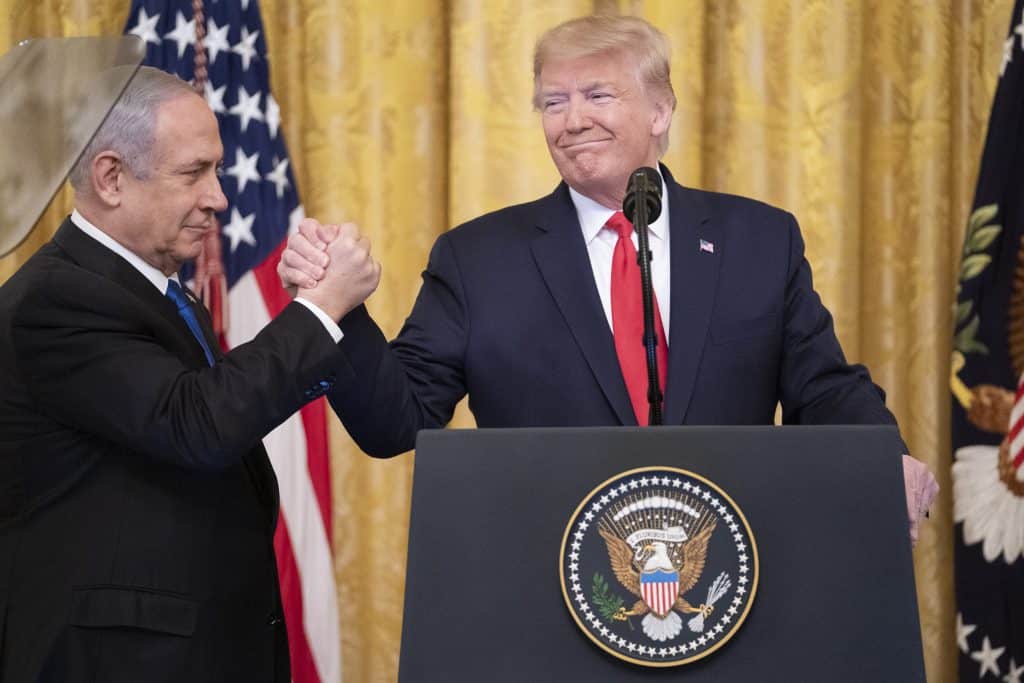 MondoweissThis piece reads center-left
“Gulf states scramble to avert another U.S.-Israeli war on Iran they cannot stop”
FramingFrames the conflict as a joint US-Israeli action and emphasizes Gulf states' helplessness; other outlets describe it as potential US attacks on Iran, a different framing of agency and control.
Read the original France 24This piece reads center
“Iran said Monday it had a two-day plan to reopen the Strait of Hormuz and”
Read the original- The Straits TimesThis piece reads center
“A senior Iranian official said Tehran was ready to open Hormuz within two days”
Read the original
Placements are generated by an AI model from each article’s own headline and summary, and every quotation above is checked to be a real substring of that article before it is published. How this is done
Prism is free and carries no advertising. Support it if it was useful.