Trump announces Russia-Ukraine 'energy ceasefire' deal
Reported by
A dot shows how that piece reads — Prism rates articles, not outlets, and shows the words behind each placement below. No dot means the piece isn’t rated. How the ratings work

What happened
The account the coverage agrees on, with contested figures attributed rather than asserted. This is not one of the five framings below — it is the ground they all stand on.
President Trump announced Sunday via social media that Russia and Ukraine have agreed to an 'energy ceasefire' halting attacks on each other's energy facilities. Ukrainian President Zelenskyy said the announcement was news to him but said Ukraine would accept such a deal if Russia agrees. Russia has not commented. Hours after Trump's announcement, Russian forces struck energy infrastructure in Kharkiv and Kyiv, according to Zelenskyy. The announcement followed Trump's earlier criticism of Zelenskyy and a reported U.S.-Russia diesel supply deal.
How the spectrum reads this story
The same event, summarised as five points on the political spectrum would each tend to frame it. These are generated by an AI model and are a starting point, not the last word.
Left
Trump's unilateral announcement of an 'energy ceasefire' without consulting Ukraine or securing Russian agreement reveals the administration's reckless approach to the war. By brokering a diesel deal with Russia while pressuring Ukraine to accept terms it didn't negotiate, Trump props up Putin's war machine and undermines Ukraine's sovereignty. The immediate Russian strikes after his announcement expose the hollowness of any Trump-negotiated truce: without enforcement mechanisms or genuine agreement from Moscow, such claims endanger Ukrainian civilians and hand a propaganda victory to an aggressor.
No article in this story reads this way. This is how the position tends to frame events like it — written by a model, not quoted from anyone.
Center-left
Trump's announcement of an energy ceasefire is problematic because it was made without proper consultation with Ukraine or verification of Russian acceptance—yet it reflects a legitimate goal of reducing harm to civilian infrastructure. While Zelenskyy's conditional support shows Ukraine's willingness to explore de-escalation, the timing raises concerns: Trump's concurrent diesel deal with Russia and criticism of Zelenskyy muddy the diplomatic waters. Any real ceasefire requires genuine commitment from both sides, clear terms, and mechanisms to prevent the violations already visible hours after the announcement.
Drawn from 3 articles placed here, below.
Center
Trump's announcement attempted to broker a limited ceasefire on energy infrastructure, a modest but potentially valuable step if all parties genuinely commit. The immediate problem is verification: Ukraine welcomed it conditionally, Russia hasn't responded, and Russian attacks continued shortly after, casting doubt on whether a real agreement exists. The context complicates matters—Trump's diesel deal with Russia and public criticism of Zelenskyy suggest the announcement may have been premature or incomplete. A genuine energy ceasefire would need clearer terms, buy-in from Moscow, and monitoring to prevent the violations that apparently occurred.
Drawn from 8 articles placed here, below.
Center-right
Trump's effort to negotiate an energy ceasefire shows pragmatic diplomacy aimed at reducing harm to civilians and infrastructure without requiring an immediate end to the broader conflict. Ukraine's conditional acceptance is reasonable, and such limited agreements can sometimes create space for broader negotiations. However, the announcement's execution was sloppy—made via social media without prior coordination with key parties and without Russian confirmation. Trump's simultaneous diesel deal with Russia creates confusion about whether the U.S. is genuinely pressuring Moscow to comply, and the quick Russian strikes suggest either Russia doesn't accept the terms or lacks control over all forces.
Drawn from 2 articles placed here, below.
Right
Trump's energy ceasefire proposal shows initiative in seeking to reduce needless destruction while avoiding escalation. Ukraine's willingness to consider it is encouraging, and reducing attacks on power plants protects civilians regardless of the broader conflict. The problem lies in execution and Russian non-compliance, not the attempt itself. Trump's willingness to engage Russia diplomatically—including the diesel deal—is a necessary cost of bringing parties to the negotiating table. Rather than criticizing Trump for trying to end pointless destruction, the focus should be on why Russia immediately violated the announced terms and what leverage exists to enforce compliance.
No article in this story reads this way. This is how the position tends to frame events like it — written by a model, not quoted from anyone.
Hear two viewpoints debate it
Pick two viewpoints and Prism writes a short, six-turn exchange about this story in each one’s own voice — steel-manned, no winner declared. Each pairing is written once and then saved for every reader. The voices are AI syntheses of a tradition, not real people.
New pairing — Prism will write it now.
How each outlet covered it
Where Prism places each piece — not the outlet in general — with the words from that piece that put it there, and the photograph the outlet chose. Picking a photo is a framing decision too.
- CBS NewsThis piece reads center-left
“Russia later strikes Ukraine”
FramingThe headline emphasizes Russian violations occurring hours after Trump's announcement, framing the ceasefire claim as immediately undermined—where other outlets report the announcement and response separately.
Read the original 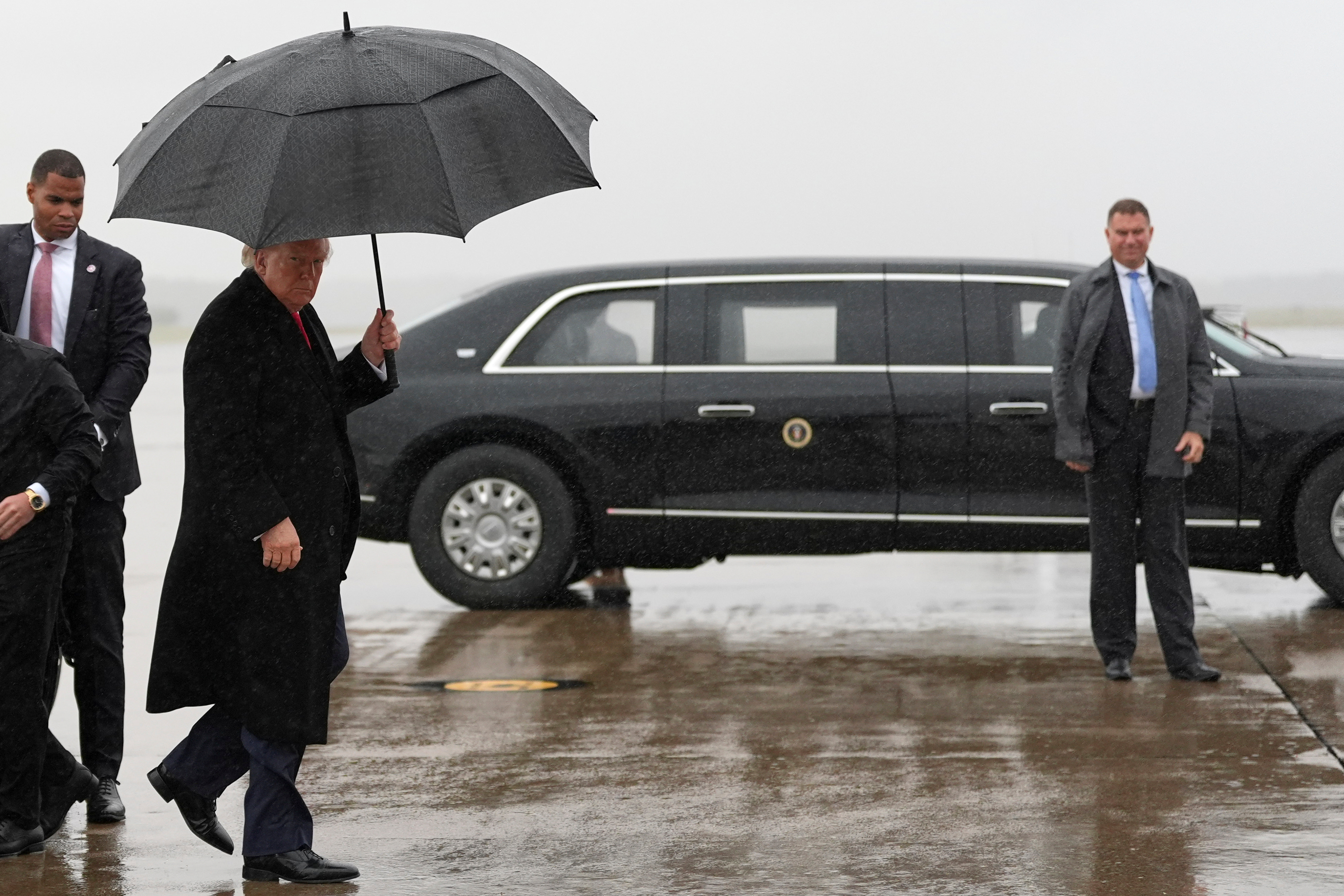 TimeThis piece reads center-left
“alleged ceasefire”
Word choiceUses 'alleged' to signal doubt about whether an agreement actually exists, whereas other outlets state the claim or announcement as fact.
Read the original PBS NewsHourThis piece reads center-left
“despite continued attacks”
FramingThe headline foregrounds Russian violations happening simultaneously with the ceasefire announcement, emphasizing the immediate gap between the claim and reality.
Read the original
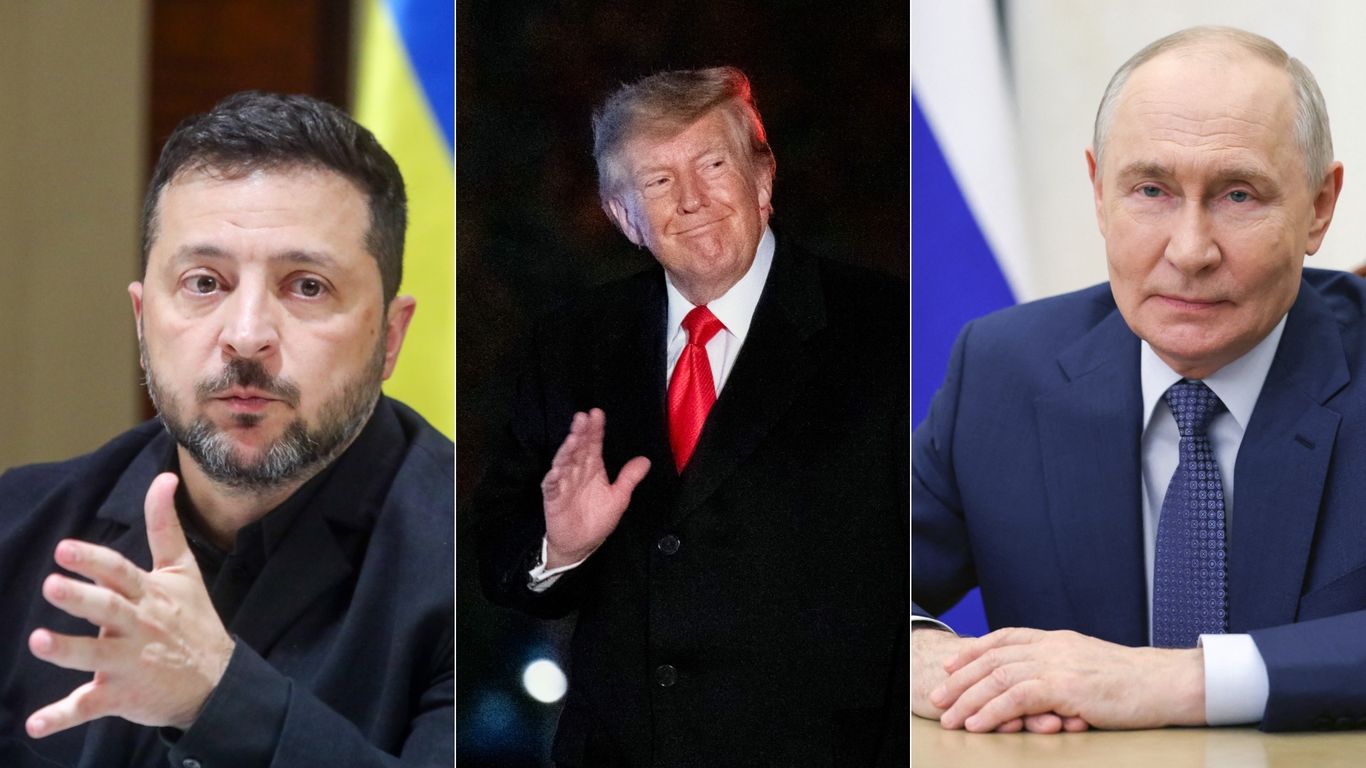 AxiosThis piece reads center
“would be a dramatic diplomatic breakthrough”
FramingDescribes what an energy ceasefire 'would be' with aspirational language, whereas most outlets focus on the announcement as made and the immediate response.
Read the original
- CNBCnot ratedRead the original
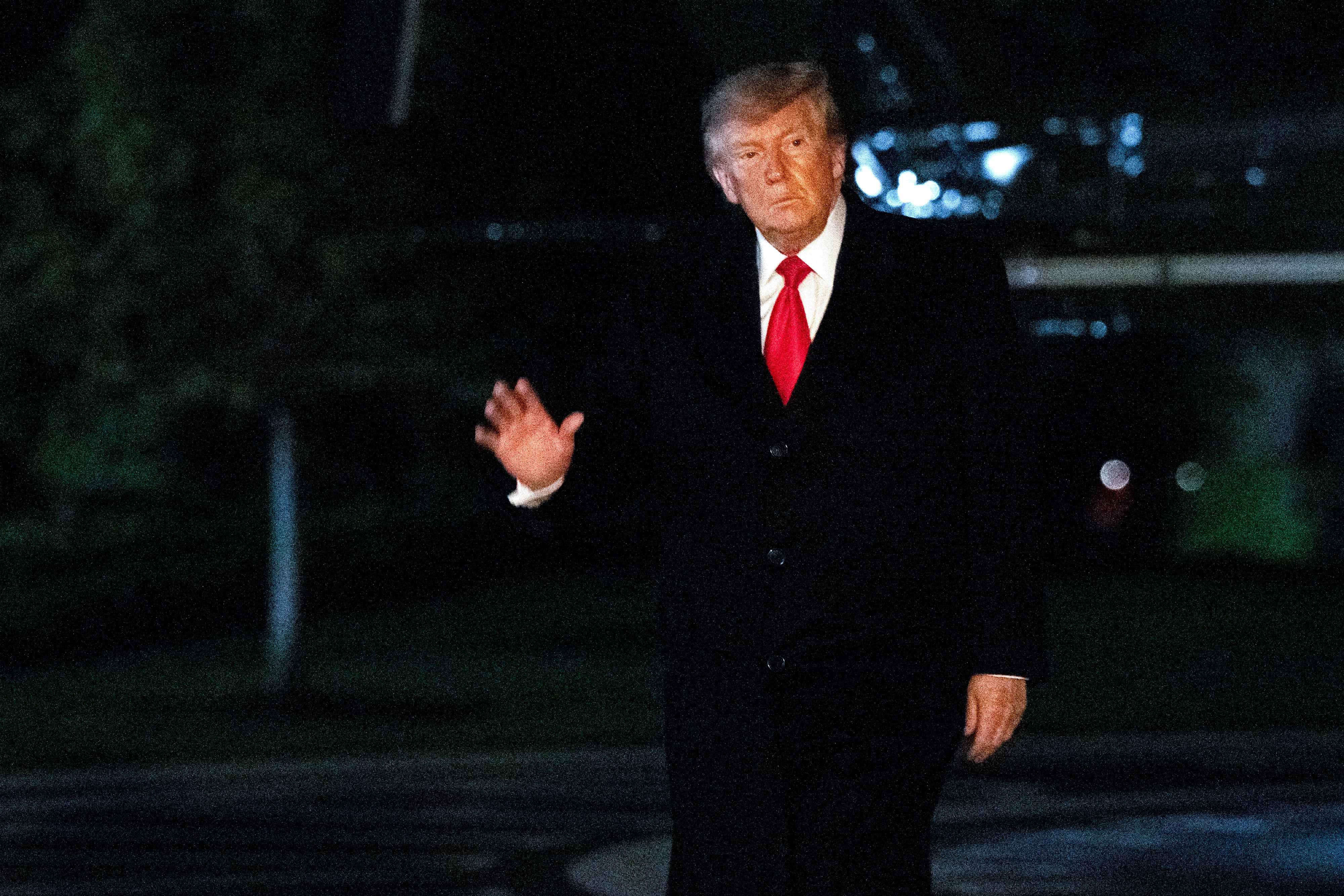
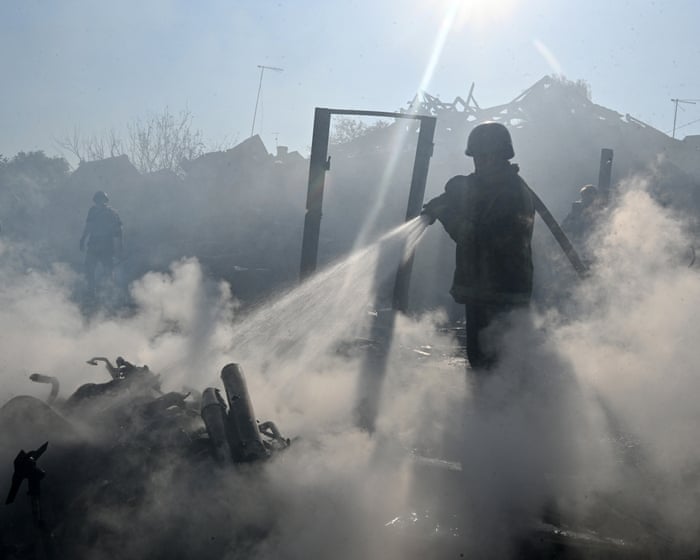 The GuardianThis piece reads center
“with no detail on social media”
FramingEmphasizes the announcement's lack of substance and informal method, highlighting ambiguity about whether a real agreement exists.
Read the original

Placements are generated by an AI model from each article’s own headline and summary, and every quotation above is checked to be a real substring of that article before it is published. How this is done
Prism is free and carries no advertising. Support it if it was useful.