Ukraine resumes attacks on Russian oil refineries after brief truce
Reported by
A dot shows how that piece reads — Prism rates articles, not outlets, and shows the words behind each placement below. No dot means the piece isn’t rated. How the ratings work
What happened
The account the coverage agrees on, with contested figures attributed rather than asserted. This is not one of the five framings below — it is the ground they all stand on.
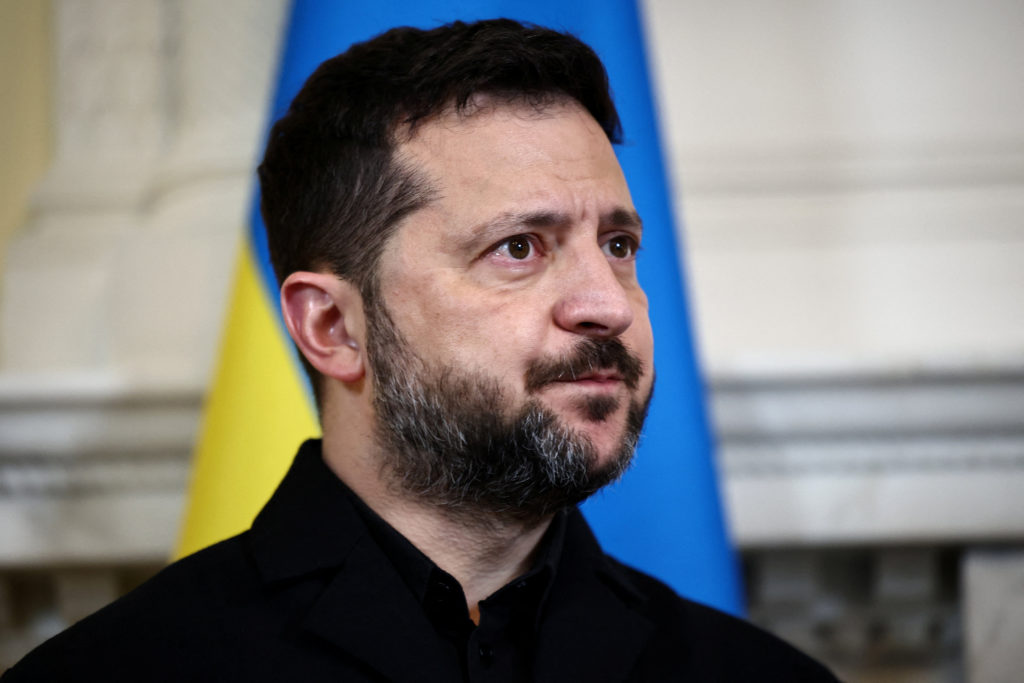
Ukrainian drones struck a Russian oil refinery in Ryazan region early Thursday. The attack came hours after President Zelenskyy announced that a brief truce was over, citing Moscow's failure to uphold its end and deepening tensions with the Trump administration. Trump had declared an energy ceasefire on Sunday; Ukraine had paused strikes during that period, but Moscow never formally agreed to the arrangement. Starlink and Starshield satellite services critical to Ukrainian operations, which had been unexpectedly throttled earlier in the week, were restored to full capacity Thursday.
Developing story · 2 chapters
- SpaceX Starlink service throttled in Ukraine amid military operations and US-Ukraine tensions
- Ukraine resumes attacks on Russian oil refineries after brief truceyou are here
How each side framed the previous chapter
Compare these with the five framings below to see what moved as the story developed — and what each side kept saying regardless.
Left
This episode exposes the danger of military reliance on infrastructure controlled by a single billionaire with political ties to the Trump administration. Elon Musk's apparent willingness to weaponize Starlink access against Ukraine reveals how corporate concentration of critical technology creates vulnerabilities to political pressure and undermines democratic accountability. The restrictions coincide with Trump's pivot toward accommodating Russia, suggesting the administration is leveraging corporate assets to force Ukraine into unfavorable terms. Ukraine's predicament demonstrates why essential military and civilian infrastructure cannot be left in private hands.
Center-left
Ukraine faces a crisis as Starlink access has been suddenly restricted, hampering its ability to defend itself against Russian attacks just as ballistic missiles strike energy infrastructure. The timing and origin of the restrictions point to pressure from the Trump administration trying to force Ukraine to cease strikes on Russian oil facilities. This represents a troubling weaponization of a critical service and raises serious questions about Musk's willingness to comply with political demands at the expense of an ally under attack. The U.S. should maintain robust support for Ukraine's defense without imposing conditions that weaken its military capabilities.
Center
Ukraine reports Starlink restrictions that have disrupted military operations at a sensitive moment, with officials indicating the order came from Washington. The restrictions appear connected to tension over Ukraine's long-range strikes on Russian energy infrastructure and broader disagreements between Kyiv and the Trump administration over war strategy. While the U.S. has legitimate interests in managing the conflict's escalation, suddenly cutting off critical communications infrastructure creates real military risks and strains the alliance. Both sides need to negotiate the terms of support through dialogue rather than unilateral pressure, and any restrictions should be transparent and coordinated with Ukrainian military needs.
Center-right
Reports indicate Starlink service to Ukrainian military was restricted, apparently as pressure from Washington to limit strikes on Russian oil targets. The Trump administration has legitimate concerns about escalation and the sustainability of indefinite military support, and using conditionality as leverage in negotiations is a reasonable negotiating tactic. However, abruptly cutting access to critical infrastructure without coordination risks undermining military effectiveness and U.S. credibility with allies. Any restrictions should be implemented transparently and with clear communication about what changes in Ukrainian strategy would restore full access, rather than appearing arbitrary.
Right
Ukraine's military capabilities have been disrupted by restrictions on Starlink access, reportedly imposed from Washington to pressure Kyiv into halting strikes on Russian energy infrastructure. The Trump administration is right to reassess unlimited support for an indefinite conflict and to use available leverage to negotiate terms that serve American interests. Dependence on Elon Musk's privately controlled satellites illustrates why critical infrastructure should not rely on foreign assets. The U.S. should pursue a negotiated settlement rather than continuing to bankroll operations that risk escalation without clear strategic benefit to American security.
How the spectrum reads this story
The same event, summarised as five points on the political spectrum would each tend to frame it. These are generated by an AI model and are a starting point, not the last word.
Left
Ukraine's resumption of refinery strikes represents a justified rejection of Trump's unilateral imposed ceasefire, which favored Russian interests over Ukrainian sovereignty. The truce was never genuinely reciprocal—Moscow ignored it while Trump demanded Ukraine comply, exposing how US pressure serves to constrain the defending nation rather than hold the aggressor accountable. Ukraine's return to targeting energy infrastructure is a necessary assertion of its right to wage effective defense, and Zelenskyy's defiance signals that no external power, including Washington, will dictate Ukraine's military strategy.
No article in this story reads this way. This is how the position tends to frame events like it — written by a model, not quoted from anyone.
Center-left
Ukraine's decision to resume strikes reflects legitimate frustration with a ceasefire arrangement that lacked Russian commitment and was imposed by Washington without Kyiv's full agreement. While Ukraine has the right to defend itself and strike military-industrial targets, the escalation risks complicating diplomatic efforts and straining an already deteriorating relationship with the Trump administration. The restoration of Starlink services is significant, but Ukraine faces a difficult balancing act between military necessity and maintaining crucial US support for its broader war effort.
Drawn from 4 articles placed here, below.
Center
Ukraine faces a genuine dilemma: a ceasefire that only one side observes is tactically worthless and strategically demoralizing, yet resuming strikes antagonizes the US administration that remains its primary backer. Trump's unilateral declaration of a truce without securing Russian agreement was poorly designed; both the expectation that Ukraine would comply and Russia's non-compliance reflect the arrangement's fundamental weakness. Ukraine's choice to resume operations is understandable, but the resulting tension with Washington creates real risks for continued military aid and diplomatic support.
Drawn from 2 articles placed here, below.
Center-right
Trump's energy ceasefire proposal, while well-intentioned as a step toward de-escalation, failed because it was not binding on Russia and because Ukraine prioritizes maximizing military pressure. Ukraine's decision to resume refinery strikes, framed as defiance of US demands, undermines the possibility of negotiated settlement and complicates the Trump administration's efforts to manage the conflict. However, Trump retains significant leverage through military aid, and this episode illustrates the challenge of achieving ceasefire compliance without enforcement mechanisms that affect both belligerents equally.
No article in this story reads this way. This is how the position tends to frame events like it — written by a model, not quoted from anyone.
Right
Trump's energy ceasefire represented a reasonable attempt to reduce escalation and create space for eventual negotiations, yet Ukraine rejected the arrangement by resuming strikes. This defiance of US pressure demonstrates that no amount of American support will convince Ukraine to accept any limits on its military operations, making a negotiated end to the conflict increasingly unlikely. Ukraine's actions, while sovereign decisions, show the futility of US efforts to broker restraint when one party refuses compromise, raising questions about whether continued unconditional support serves American interests.
No article in this story reads this way. This is how the position tends to frame events like it — written by a model, not quoted from anyone.
Hear two viewpoints debate it
Pick two viewpoints and Prism writes a short, six-turn exchange about this story in each one’s own voice — steel-manned, no winner declared. Each pairing is written once and then saved for every reader. The voices are AI syntheses of a tradition, not real people.
New pairing — Prism will write it now.
How each outlet covered it
Where Prism places each piece — not the outlet in general — with the words from that piece that put it there, and the photograph the outlet chose. Picking a photo is a framing decision too.
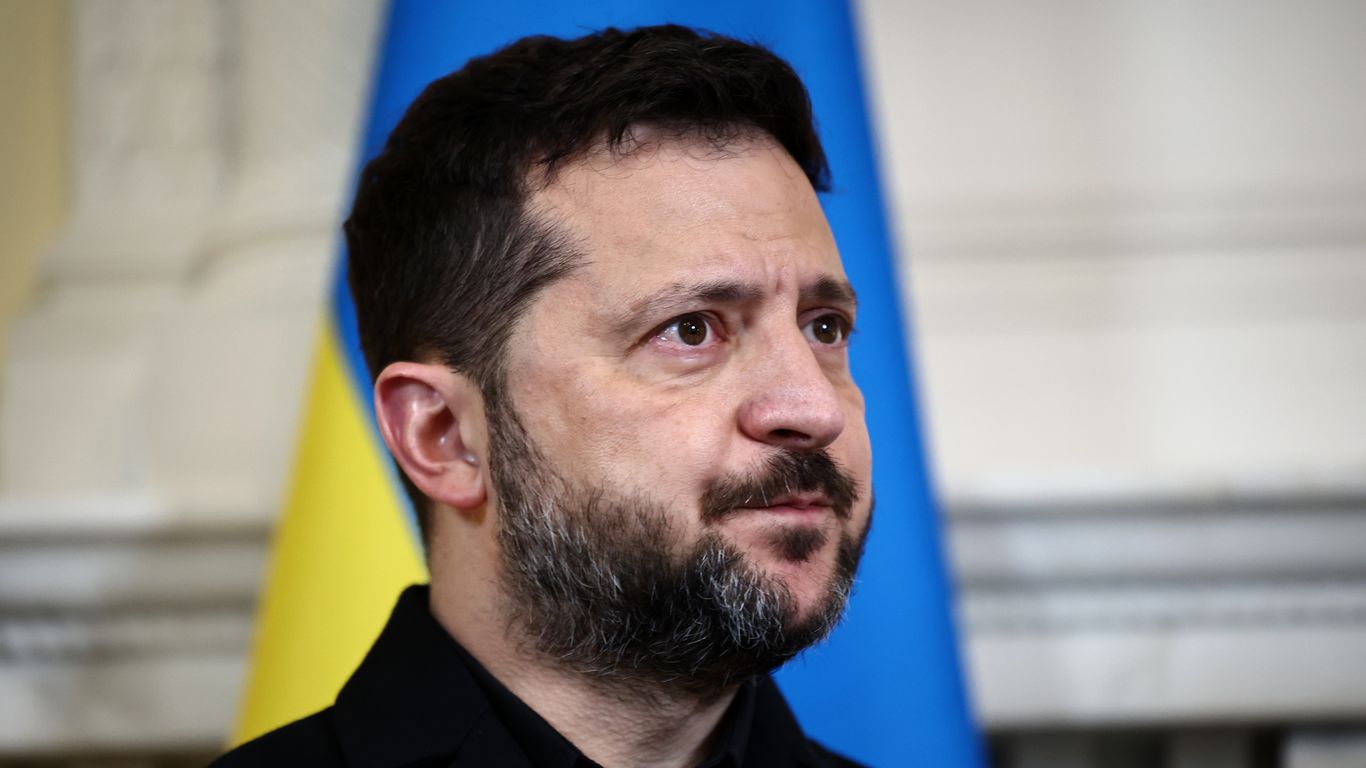 AxiosThis piece reads center-left
“defying President Trump's demand that it stop hitting those facilities”
Word choiceFrames Ukraine's action as defiance of Trump personally, while other outlets describe the same strikes more neutrally as a resumption after a truce ended.
Read the original France 24This piece reads center-left
“Ukraine's Zelensky defies Trump with Russian refinery strikes”
FramingHeadline emphasizes defiance of Trump rather than the military operation itself, foregrounding political friction over military facts.
Read the original- The Jerusalem PostThis piece reads center-left
“Zelensky says Ukraine's patience has run out”
Read the original - PBS NewsHourThis piece reads center
“a brief truce spurned by Moscow was over amid deepening tensions”
Read the original 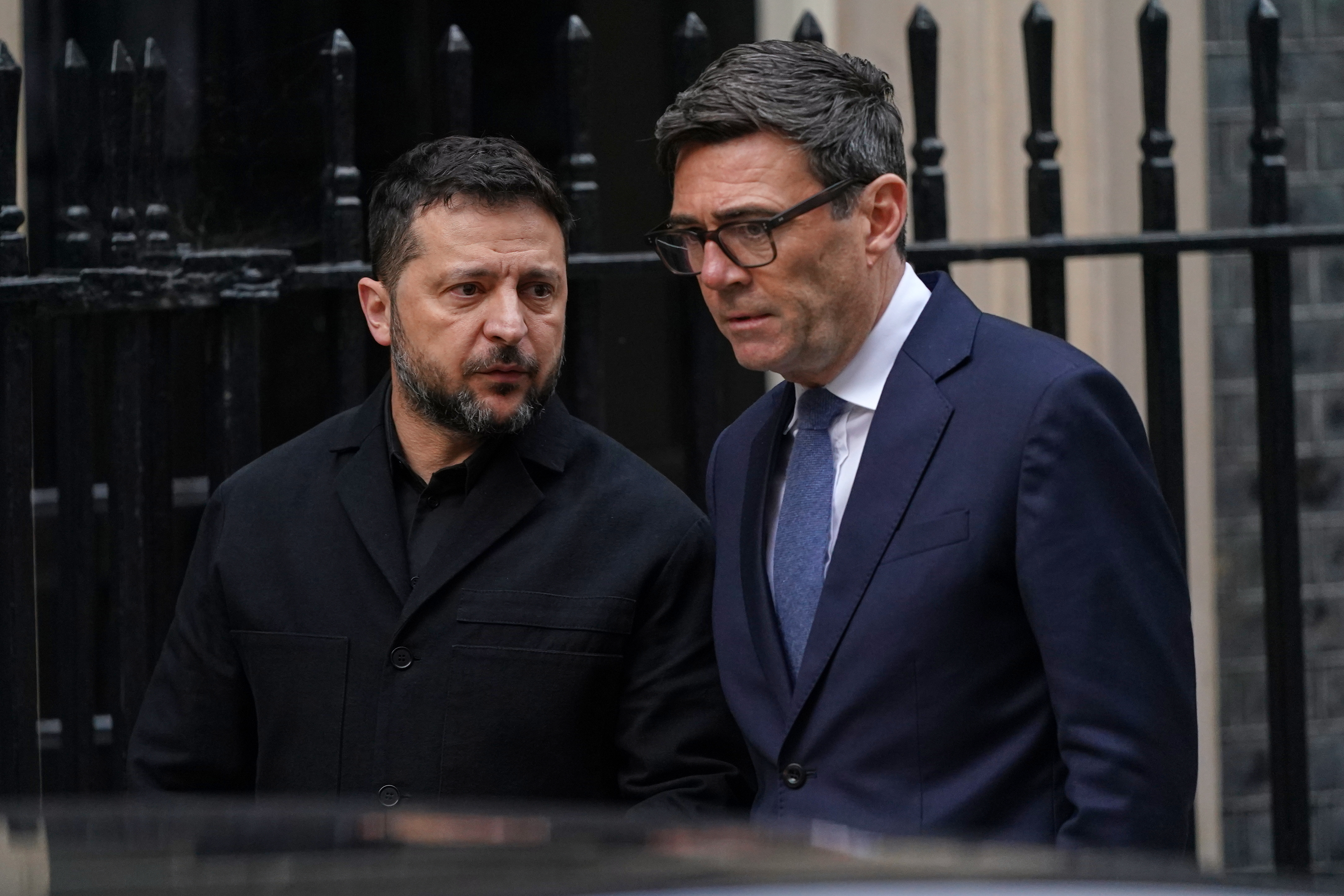
 Washington Examinernot rated
Word choiceExplicitly identifies the ceasefire as unilateral and Trump's personal action, clarifying that Russia never agreed—a detail other outlets mention but less prominently.
Read the original

Placements are generated by an AI model from each article’s own headline and summary, and every quotation above is checked to be a real substring of that article before it is published. How this is done
Prism is free and carries no advertising. Support it if it was useful.