Saudi Arabia accuses Houthis of targeting Mecca with drone, declares red line
Reported by
A dot shows how that piece reads — Prism rates articles, not outlets, and shows the words behind each placement below. No dot means the piece isn’t rated. How the ratings work

What happened
The account the coverage agrees on, with contested figures attributed rather than asserted. This is not one of the five framings below — it is the ground they all stand on.
Saudi Arabia's military coalition said on Wednesday that its air defences destroyed a Houthi drone south of Mecca before it could enter airspace over the holy city. The coalition accused the Iran-backed Houthis of targeting Islam's holiest site. France 24 reported the Houthis denied launching the attack. The Saudi-led coalition warned of a "red line" and said the incident deepens regional conflict. The Houthis have previously declared a maritime blockade on Saudi Arabia and targeted its ships in the Red Sea.
How the spectrum reads this story
The same event, summarised as five points on the political spectrum would each tend to frame it. These are generated by an AI model and are a starting point, not the last word.
Left
No summary for this view yet.
No article in this story reads this way. This is how the position tends to frame events like it — written by a model, not quoted from anyone.
Center-left
The Houthis' apparent drone attack on Mecca—one of Islam's most sacred sites—represents a serious escalation that demands diplomatic urgency. While the Houthis' grievances in Yemen are real and warrant attention, attacking religious sites crosses a threshold and risks igniting wider conflict across the Muslim world. Saudi Arabia's military response is understandable, but the cycle of attack and retaliation must be broken. International mediators should seize this moment to push both sides toward negotiations that address Yemen's humanitarian crisis and the legitimate concerns of all parties.
Drawn from 2 articles placed here, below.
Center
Saudi Arabia says it intercepted a Houthi drone targeting Mecca, though the Houthis dispute this claim. Both sides have incentives to frame events in their favour: Saudi Arabia to justify its military position and warn rivals; the Houthis to deny responsibility and maintain support. The incident illustrates how the Yemen conflict has become increasingly unpredictable and prone to escalation. Any resolution requires international pressure on all parties—Saudi Arabia, the Houthis, and their respective backers—to accept negotiated settlements rather than military victories.
Drawn from 4 articles placed here, below.
Center-right
The Houthis' alleged drone attack on Mecca represents a serious challenge to regional security and Saudi Arabia's sovereignty. The targeting of Islam's holiest city is not merely a military act but a provocation designed to inflame tensions across the Muslim world and undermine Saudi Arabia's authority. The Saudi-led coalition's warning of a "red line" is appropriate; states must be able to defend their territory and their citizens' sacred sites from attack. Stronger enforcement of maritime security and air defence, combined with pressure on Iran to cease backing the Houthis, is essential to restore stability.
Drawn from 1 article placed here, below.
Right
Yemen's Houthis, backed by Iran, have repeatedly escalated their aggression against Saudi Arabia—first through attacks on shipping, now directly threatening Mecca itself. This demonstrates the failure of half-measures and the necessity of decisive action to protect national sovereignty and religious sites of global significance. Saudi Arabia must be free to defend itself without international constraints. The "red line" warning sends an appropriate message that attacks on the kingdom's territory and holy places will not be tolerated. Appeasement and endless negotiation only invite further aggression.
No article in this story reads this way. This is how the position tends to frame events like it — written by a model, not quoted from anyone.
Hear two viewpoints debate it
Pick two viewpoints and Prism writes a short, six-turn exchange about this story in each one’s own voice — steel-manned, no winner declared. Each pairing is written once and then saved for every reader. The voices are AI syntheses of a tradition, not real people.
New pairing — Prism will write it now.
How each outlet covered it
Where Prism places each piece — not the outlet in general — with the words from that piece that put it there, and the photograph the outlet chose. Picking a photo is a framing decision too.
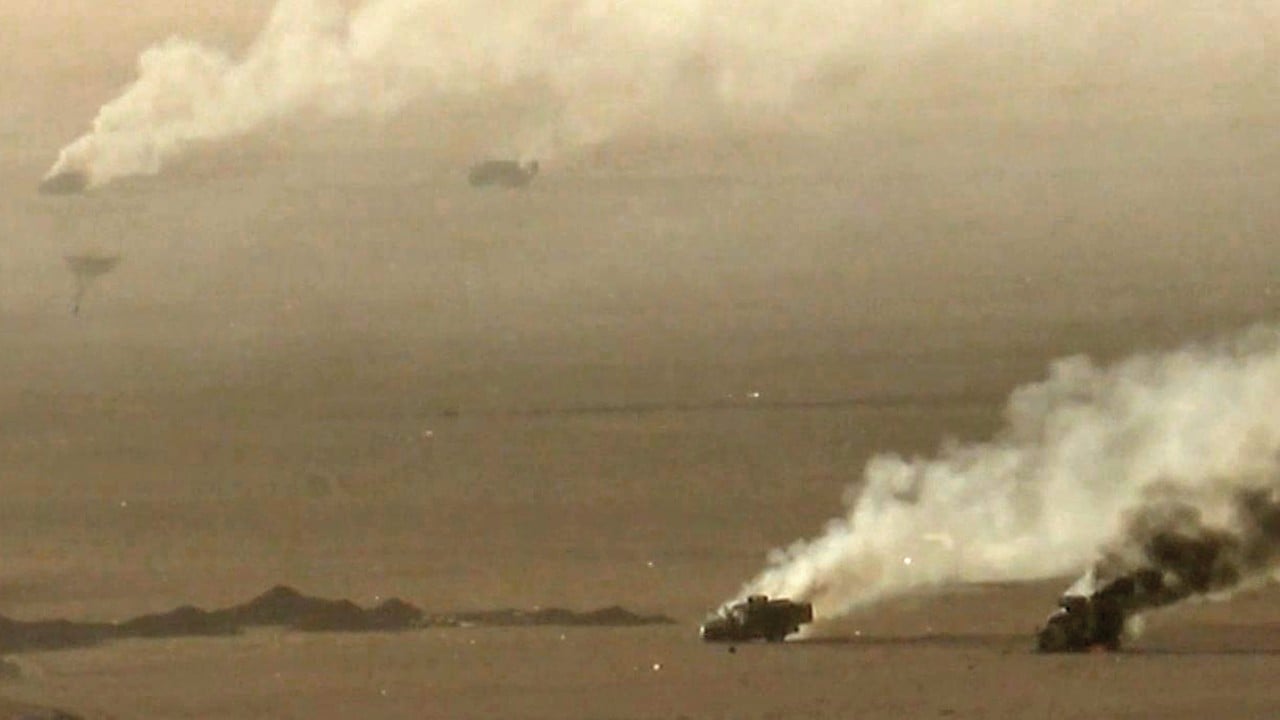 South China Morning PostThis piece reads center-left
“Iran-backed Houthis and Saudi-backed Yemeni government”
Read the original- Al-MonitorThis piece reads center-left
“Iran-backed Houthis and Saudi-backed Yemeni government”
Read the original 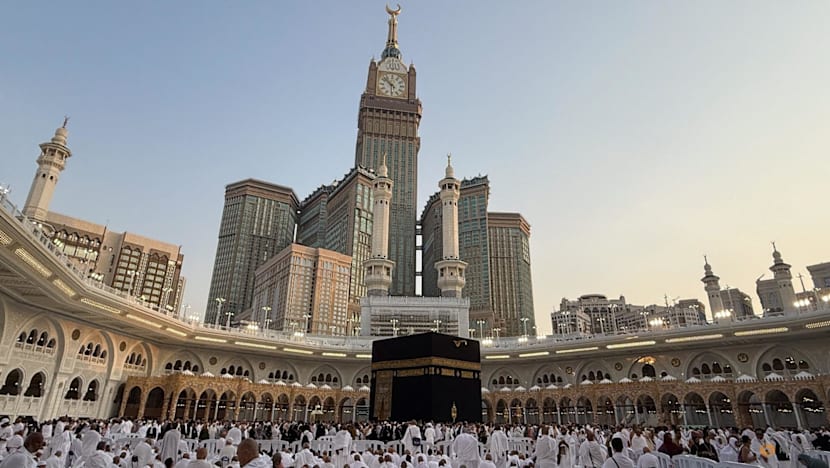 CNAThis piece reads center
“reported that it shot down a drone”
Word choiceUses "reported" and "shot down," framing Saudi claims as statements to be reported rather than presenting the incident as established fact like other outlets do.
Read the original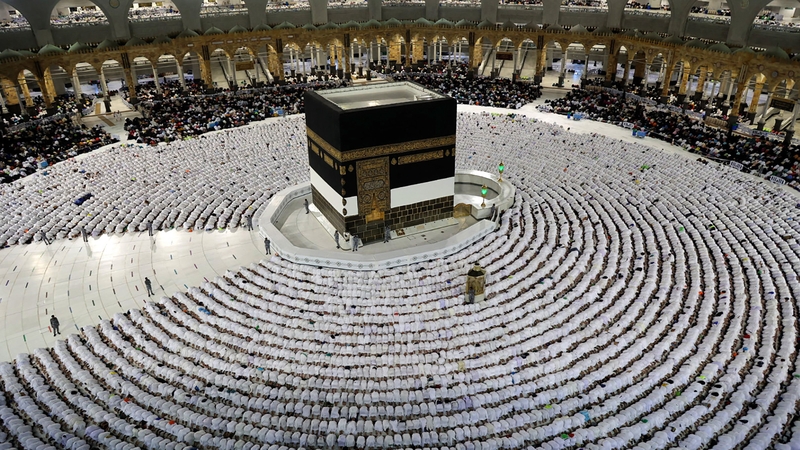
 France 24This piece reads center
“Iran-aligned rebels denied”
What's left outExplicitly notes Houthi denial of the attack, where most outlets report only the Saudi accusation without mentioning the rebels' response.
Read the original- DawnThis piece reads center
“accused the rebels on Wednesday of targeting the holy city”
Read the original
Placements are generated by an AI model from each article’s own headline and summary, and every quotation above is checked to be a real substring of that article before it is published. How this is done
Prism is free and carries no advertising. Support it if it was useful.