Houthi missile strike on Riyadh airport kills at least 12, wounds over 300
Reported by
A dot shows how that piece reads — Prism rates articles, not outlets, and shows the words behind each placement below. No dot means the piece isn’t rated. How the ratings work
What happened
The account the coverage agrees on, with contested figures attributed rather than asserted. This is not one of the five framings below — it is the ground they all stand on.
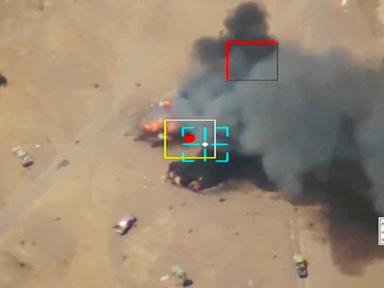
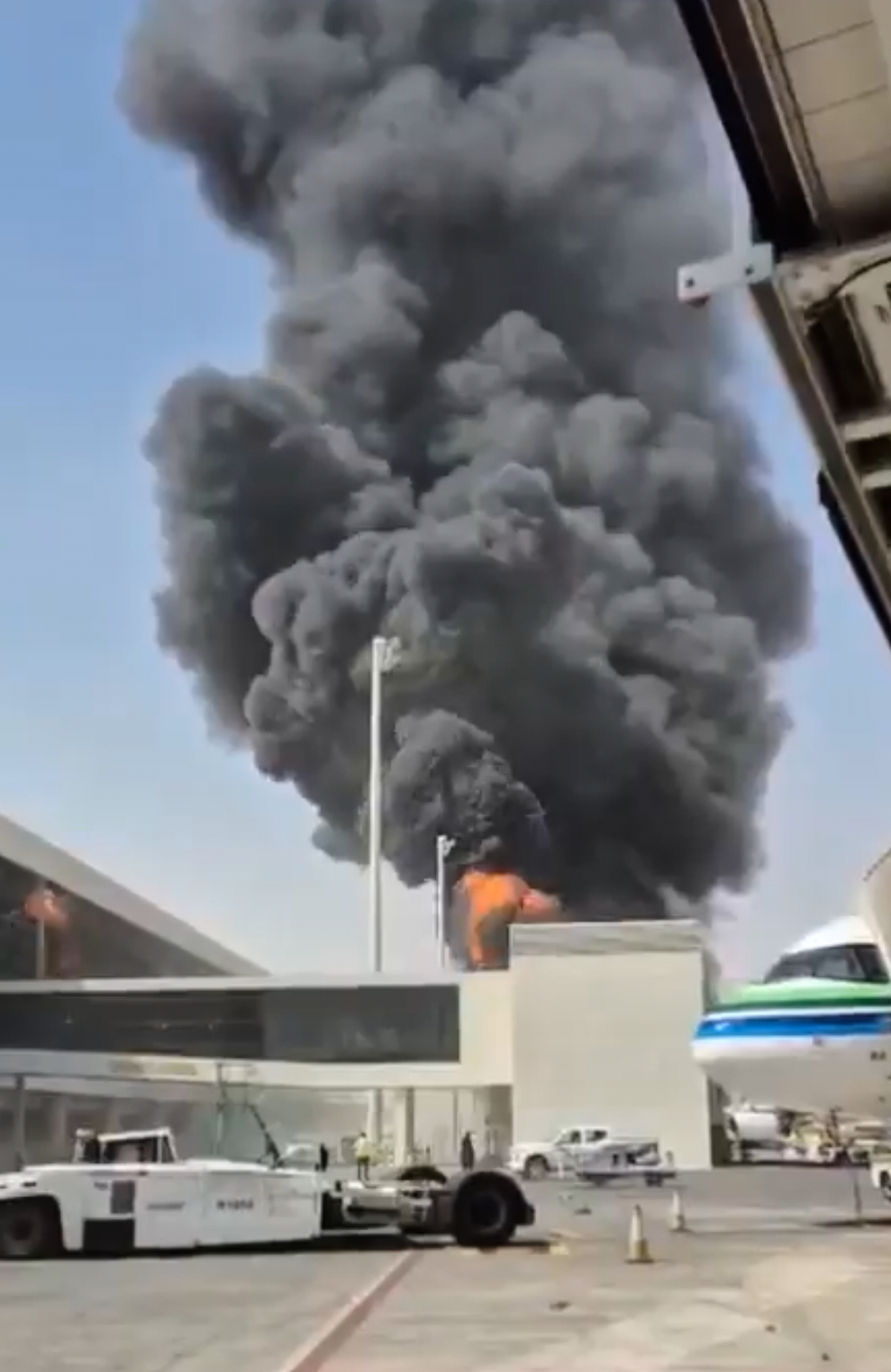
At least 12 people were killed and over 300 injured in an attack on King Khalid International Airport in Riyadh on Saturday, according to Saudi Arabia's civil aviation authority. The dead included four Saudi citizens, two Bangladeshi nationals, and one each from Palestine, the United States, Egypt, Jordan, Syria, and Sudan. Multiple outlets report a diplomatic source attributed the attack to Yemen's Houthis; France 24 notes the Iran-backed group did not announce responsibility for this particular strike, though it claimed an attack on the same airport two days earlier that killed three people.
How the spectrum reads this story
The same event, summarised as five points on the political spectrum would each tend to frame it. These are generated by an AI model and are a starting point, not the last word.
Left
This deadly escalation reflects the catastrophic human cost of Saudi Arabia's military campaign in Yemen, which has created the conditions for Houthi retaliation. The airport strikes underscore how foreign military intervention destabilizes the region and generates cycles of violence that kill civilians indiscriminately. Western nations must recognize their role in enabling this conflict through arms sales and diplomatic support, and prioritize negotiated settlement over military solutions.
No article in this story reads this way. This is how the position tends to frame events like it — written by a model, not quoted from anyone.
Center-left
The attack on Riyadh airport represents a serious escalation in an already volatile regional conflict. While Houthi attacks on civilian infrastructure are concerning and require response, the underlying drivers—Saudi military actions in Yemen, civilian suffering, lack of diplomatic progress—remain unaddressed. The international community should work toward de-escalation and a political settlement rather than military escalation, while also holding all parties accountable for civilian harm.
No article in this story reads this way. This is how the position tends to frame events like it — written by a model, not quoted from anyone.
Center
A significant attack has killed a dozen people at a major Saudi airport, raising immediate questions about airport security and regional stability. The Houthis' apparent responsibility, if confirmed, reflects broader tensions that military measures alone have not resolved. A balanced approach requires both strengthening security to protect civilians and exploring diplomatic channels to reduce the cycle of attacks and counterattacks. The humanitarian toll demands attention to both prevention and civilian protection.
Drawn from 6 articles placed here, below.
Center-right
This brazen attack on a major civilian airport demonstrates the serious threat posed by the Houthis and underscores Saudi Arabia's legitimate need for robust security and air defenses. While Iran-backed militant groups use civilian infrastructure as targets to project power, Saudi Arabia has the right to defend itself and its citizens. Strengthened airport security and regional deterrence are necessary responses, though diplomatic channels should remain open if regional actors show willingness to negotiate in good faith.
Drawn from 2 articles placed here, below.
Right
The Houthi attack on Riyadh airport is another example of Iran-backed forces destabilizing the Middle East and targeting civilians. Saudi Arabia must have the freedom to defend itself decisively against these threats without external pressure. Appeasement and diplomatic delay only embolden adversaries; what is needed is clear support for Saudi security operations and recognition that some regional actors understand only strength. Weakness in response invites further attacks on civilian and commercial targets.
No article in this story reads this way. This is how the position tends to frame events like it — written by a model, not quoted from anyone.
Hear two viewpoints debate it
Pick two viewpoints and Prism writes a short, six-turn exchange about this story in each one’s own voice — steel-manned, no winner declared. Each pairing is written once and then saved for every reader. The voices are AI syntheses of a tradition, not real people.
New pairing — Prism will write it now.
How each outlet covered it
Where Prism places each piece — not the outlet in general — with the words from that piece that put it there, and the photograph the outlet chose. Picking a photo is a framing decision too.
 NPRnot ratedRead the original
- ABC NewsThis piece reads center
“12 killed, 300 injured in 'brutal' attack”
Word choiceUses the loaded adjective 'brutal' in quotation marks in the headline, where other outlets describe the same event factually as a 'strike' or 'attack' — the word choice and formatting add emotional weight.
Read the original 
 Financial Timesnot rated
FramingOpens the subheading with context linking this attack to earlier Houthi strikes, emphasizing pattern and escalation where other outlets treat each incident more as its own event.
Read the original France 24This piece reads center
“At least twelve killed, multiple people wounded in attack”
Read the original- EuronewsThis piece reads center
“another alleged Houthi attack”
FramingUses 'alleged' to qualify Houthi responsibility despite sources confirming it, whereas other outlets report the attribution more directly from named sources.
Read the original  Israel National NewsThis piece reads center-right
“believed to have been carried out by the Houthis”
FramingStates attribution as 'believed' rather than attributing it to a source, which softens the certainty compared to outlets that cite 'a diplomatic source' or 'Saudi authorities say'.
Read the original- BloombergThis piece reads center-right
Headline changedwas “Saudi Arabia Says 12 Dead, 309 Injured in Riyadh Airport Attack”
“deadliest incident in an intensifying conflict”
Word choiceExplicitly characterizes the attack as the 'deadliest incident' and frames the conflict as 'intensifying,' language that signals escalation and historical significance beyond the factual toll.
Read the original
Placements are generated by an AI model from each article’s own headline and summary, and every quotation above is checked to be a real substring of that article before it is published. How this is done
Prism is free and carries no advertising. Support it if it was useful.