Houthi missile strike on Riyadh airport kills 12, followed by second attack on terminal
Reported by
A dot shows how that piece reads — Prism rates articles, not outlets, and shows the words behind each placement below. No dot means the piece isn’t rated. How the ratings work
What happened
The account the coverage agrees on, with contested figures attributed rather than asserted. This is not one of the five framings below — it is the ground they all stand on.
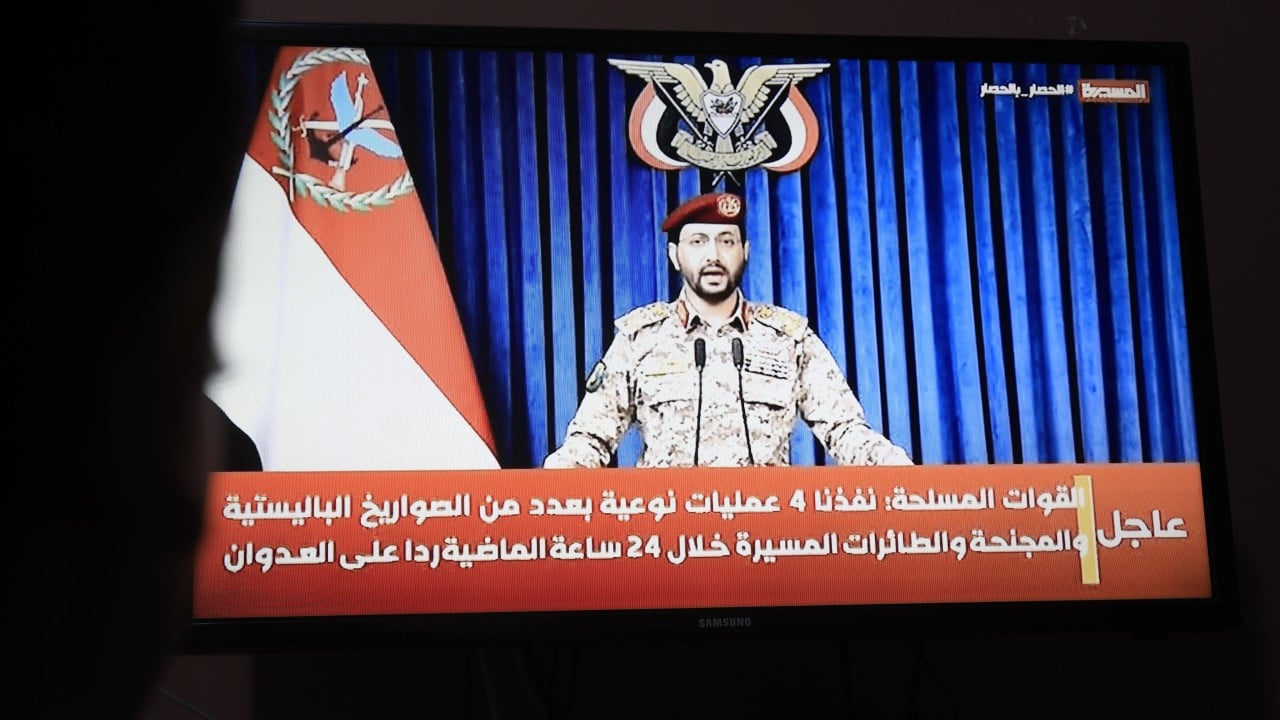
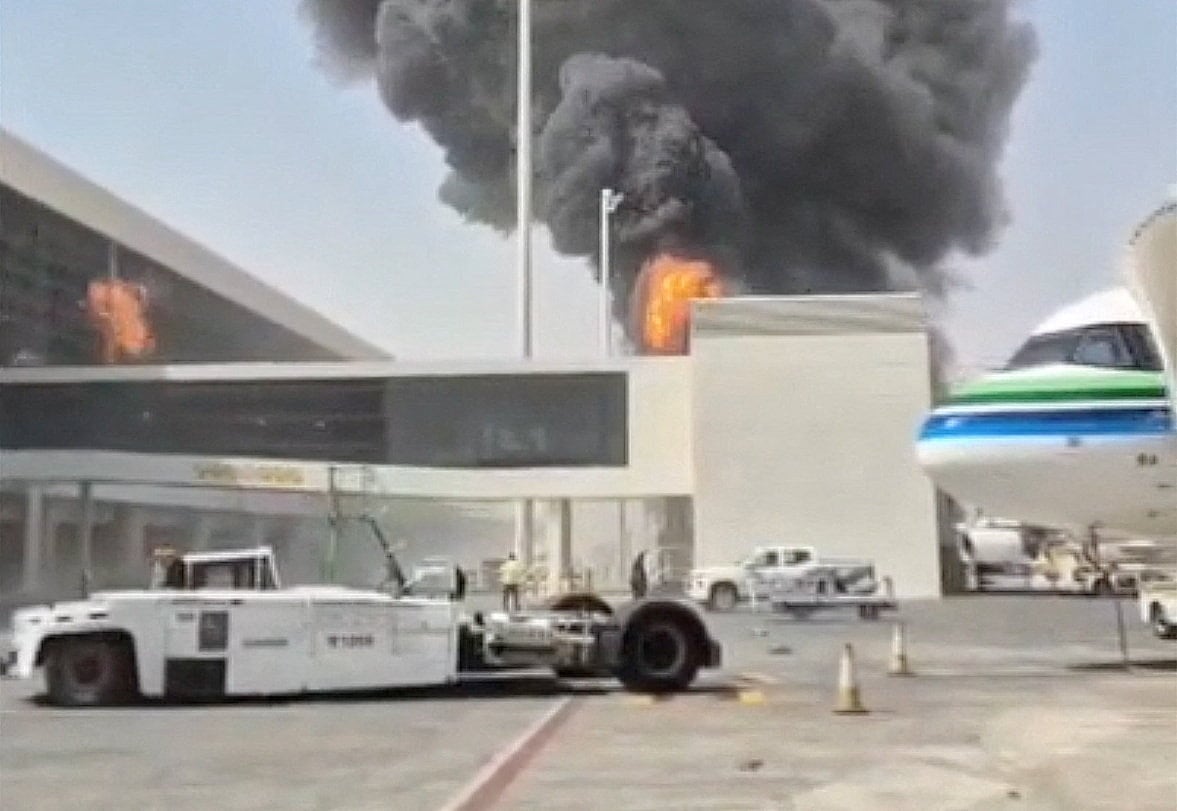
Houthi rebels struck King Khalid International Airport in Riyadh on Saturday, killing at least 12 people and injuring hundreds, forcing authorities to close the facility. A second strike hit the airport on Sunday. The National reports 13 killed; other outlets report 12. The Houthis warned of further attacks. American Greatness reports one of the dead was American. Saudi-led coalition sources described Sunday's strike as an unidentified projectile that caused a fire. Trump said the U.S. may join Saudi strikes on the Houthis.
How the spectrum reads this story
The same event, summarised as five points on the political spectrum would each tend to frame it. These are generated by an AI model and are a starting point, not the last word.
Left
Saudi Arabia's decades-long military intervention in Yemen, backed by the U.S., has fueled an ongoing conflict that has destabilized the region and created the conditions for groups like the Houthis to escalate attacks. The targeting of civilian infrastructure reflects the human cost of a war where a wealthy Gulf monarchy has pursued military domination over a poor nation, and U.S. involvement would only deepen this destructive cycle. A political solution addressing Saudi intervention and regional power imbalances is essential.
No article in this story reads this way. This is how the position tends to frame events like it — written by a model, not quoted from anyone.
Center-left
The Houthi attacks represent a serious escalation that endangers civilians and critical infrastructure. While Saudi Arabia's regional military role has contributed to Yemen's instability, these strikes crossing into civilian targets demand a response. However, deeper U.S. military involvement risks further entanglement in a complex conflict. Diplomatic efforts to de-escalate and address the underlying political grievances in Yemen should be pursued alongside security measures that protect civilians without expanding the war.
Drawn from 1 article placed here, below.
Center
Two consecutive attacks on a major civilian airport in one day represent a genuine security crisis requiring immediate action to protect people and infrastructure. The Houthis' deliberate targeting and stated intent for further strikes cannot be ignored. At the same time, military escalation risks spreading the conflict further and harming civilians. A balanced approach requires strengthening Saudi air defenses, holding the Houthis accountable for targeting civilians, and simultaneously pursuing negotiated settlements rather than reflexively expanding military involvement, especially U.S. participation.
Drawn from 9 articles placed here, below.
Center-right
The Houthis' direct attacks on civilian infrastructure constitute a serious threat to regional security and international commerce. Saudi Arabia has the right to defend itself and respond to these strikes. However, before the U.S. commits to wider military involvement, policymakers must carefully assess whether American military participation serves clear national interests and has a realistic chance of degrading the Houthis' capabilities. Any response should be calibrated to achieve specific security objectives without unnecessary escalation or open-ended commitment.
Drawn from 3 articles placed here, below.
Right
Yemen's Iranian-backed Houthis are waging a direct assault on civilian targets in a U.S. ally, and these attacks demand a decisive response that demonstrates consequences. The U.S. should support Saudi Arabia's right to defend itself and its citizens against foreign aggression. The Houthis' explicit threats of further strikes show they will not stop without pressure. American strength and clarity of purpose—showing that attacks on our allies and civilians will be met with overwhelming force—are necessary to deter future aggression in a region critical to U.S. interests.
No article in this story reads this way. This is how the position tends to frame events like it — written by a model, not quoted from anyone.
Hear two viewpoints debate it
Pick two viewpoints and Prism writes a short, six-turn exchange about this story in each one’s own voice — steel-manned, no winner declared. Each pairing is written once and then saved for every reader. The voices are AI syntheses of a tradition, not real people.
New pairing — Prism will write it now.
How each outlet covered it
Where Prism places each piece — not the outlet in general — with the words from that piece that put it there, and the photograph the outlet chose. Picking a photo is a framing decision too.
- Christian Science MonitorThis piece reads center-left
“Iran-backed Houthis”
FramingUses 'exchange' to describe a Saudi strike on Sanaa airport and Houthi strikes on Riyadh, treating the two militaries as symmetric actors in a reciprocal conflict, where other outlets present the Houthis as the attacking party.
Read the original 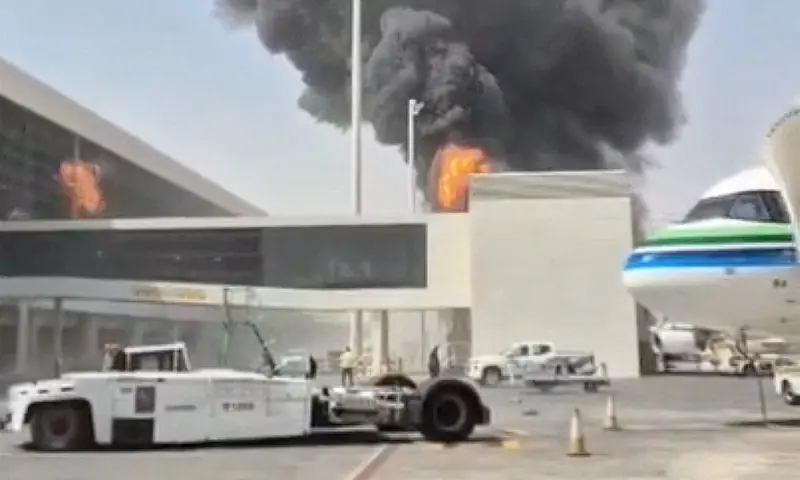
 The NationalThis piece reads center
“attacked again after Houthi missile strike”
Word choiceReports 13 dead while most outlets report 12; the discrepancy in casualty figures is not resolved across the coverage.
Read the original- Al-MonitorThis piece reads center
“unidentified projectile”
Word choiceQuotes the Saudi-led coalition's cautious language on Sunday's strike, whereas other outlets describe it as a Houthi attack more directly.
Read the original 
- American GreatnessThis piece reads center-right
“Trump Weighs Military Response”
FramingLeads with Trump's potential role rather than the attack itself, emphasizing U.S. agency where other outlets focus on the Houthis' action and Saudi response.
Read the original 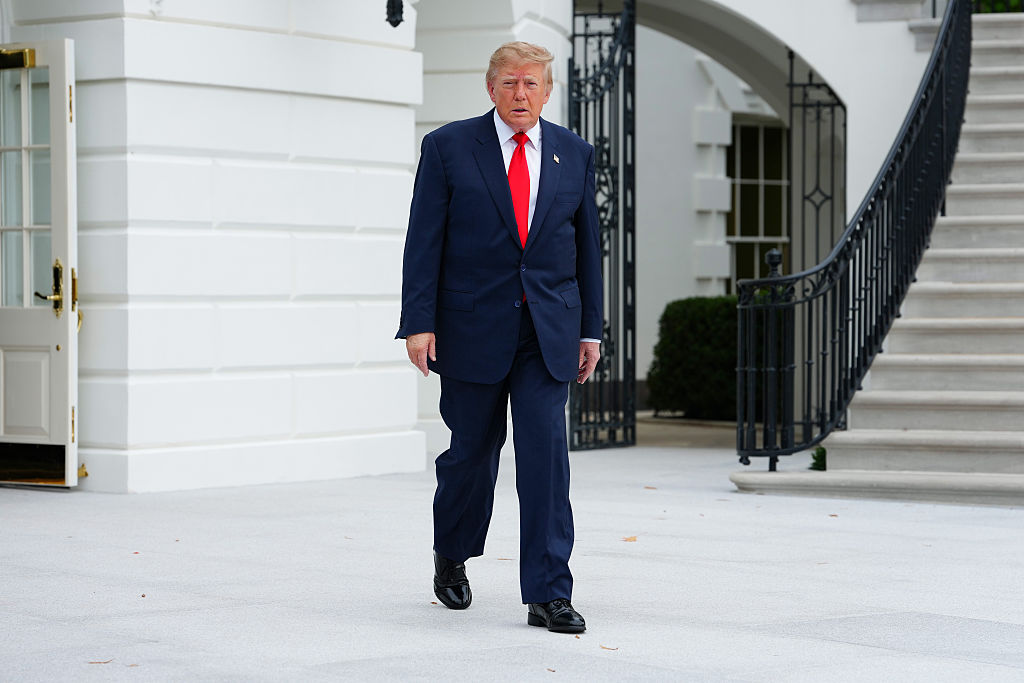
 Daily MailThis piece reads center-right
“Trump says he is considering the US joining”
Read the original
Placements are generated by an AI model from each article’s own headline and summary, and every quotation above is checked to be a real substring of that article before it is published. How this is done
Prism is free and carries no advertising. Support it if it was useful.