Houthi missile and drone strikes on Saudi Arabia's Riyadh airport kill civilians
Reported by
A dot shows how that piece reads — Prism rates articles, not outlets, and shows the words behind each placement below. No dot means the piece isn’t rated. How the ratings work
What happened
The account the coverage agrees on, with contested figures attributed rather than asserted. This is not one of the five framings below — it is the ground they all stand on.
Houthi forces attacked Riyadh's King Khalid International Airport in Saudi Arabia over the weekend with missiles and drones. Death tolls vary across reporting: CBS News states 20 killed in a week of strikes, CNN reports at least 13 killed in a weekend strike, NBC News reports more than a dozen including one American, and Israel Hayom reports at least 12 killed with over 300 wounded. The airport closed following the strikes. Saudi Arabia said on Monday it was detecting and monitoring additional drone and cruise missile threats. President Trump told ABC News the U.S. "may" join Saudi strikes targeting the Houthis, and CBS News reports Trump is considering joining Saudi attacks on Iran's Houthi allies in Yemen.
How the spectrum reads this story
The same event, summarised as five points on the political spectrum would each tend to frame it. These are generated by an AI model and are a starting point, not the last word.
Left
The Houthis' escalating strikes reflect Yemen's desperation after years of Saudi bombing that has devastated the country. The U.S. joining additional military action would represent further imperial intervention in a conflict the Saudi-led coalition has already prosecuted destructively, deepening American involvement in a regional proxy war without addressing root causes of Yemeni resistance or the humanitarian catastrophe the war has created.
No article in this story reads this way. This is how the position tends to frame events like it — written by a model, not quoted from anyone.
Center-left
The Houthis pose a serious security threat to a key regional partner, and the airport attacks are a troubling escalation in capabilities. However, the U.S. should carefully consider whether joining Saudi strikes will actually reduce Houthi attacks or provoke further escalation. A diplomatic approach addressing underlying regional tensions may be more effective long-term than purely military responses, and any U.S. involvement should be calibrated and limited.
Drawn from 3 articles placed here, below.
Center
The Houthi attacks represent a genuine security crisis for Saudi Arabia and a test of regional stability. The U.S. faces a genuine dilemma: Riyadh is an important ally and the attacks are serious, but deeper involvement risks entangling America in another Middle Eastern conflict. A proportionate response focused on protecting civilians and critical infrastructure, combined with diplomatic channels to de-escalate, offers a middle path between inaction and open-ended military commitment.
Drawn from 9 articles placed here, below.
Center-right
Iran-backed Houthis are conducting sophisticated attacks on vital civilian infrastructure in a critical U.S. ally, and this aggression cannot go unanswered. Saudi Arabia has the right to defend itself and its international airport, and the U.S. has legitimate interests in regional security and freedom of navigation. Supporting Saudi defensive operations sends an important message that attacks on American partners have consequences, though any involvement should be clearly defined and focused on disrupting Houthi capabilities.
Drawn from 2 articles placed here, below.
Right
The Houthis, armed by Iran, have demonstrated alarming military sophistication and are directly threatening a key U.S. ally and energy hub. This is Iranian aggression by proxy, and weakness now invites further attacks. The U.S. should support Saudi Arabia decisively to degrade Houthi capabilities and send a clear signal that targeting American interests and partners will be met with overwhelming force. Hesitation only encourages adversaries.
No article in this story reads this way. This is how the position tends to frame events like it — written by a model, not quoted from anyone.
Hear two viewpoints debate it
Pick two viewpoints and Prism writes a short, six-turn exchange about this story in each one’s own voice — steel-manned, no winner declared. Each pairing is written once and then saved for every reader. The voices are AI syntheses of a tradition, not real people.
New pairing — Prism will write it now.
How each outlet covered it
Where Prism places each piece — not the outlet in general — with the words from that piece that put it there, and the photograph the outlet chose. Picking a photo is a framing decision too.
 The Irish TimesThis piece reads center-left
“evolved from insurgency into potent armed force”
FramingUses a dismissive colloquialism in the headline to characterize previous Western underestimation of Houthis, framing the story around a narrative of surprising military evolution rather than focusing on the attack itself.
Read the original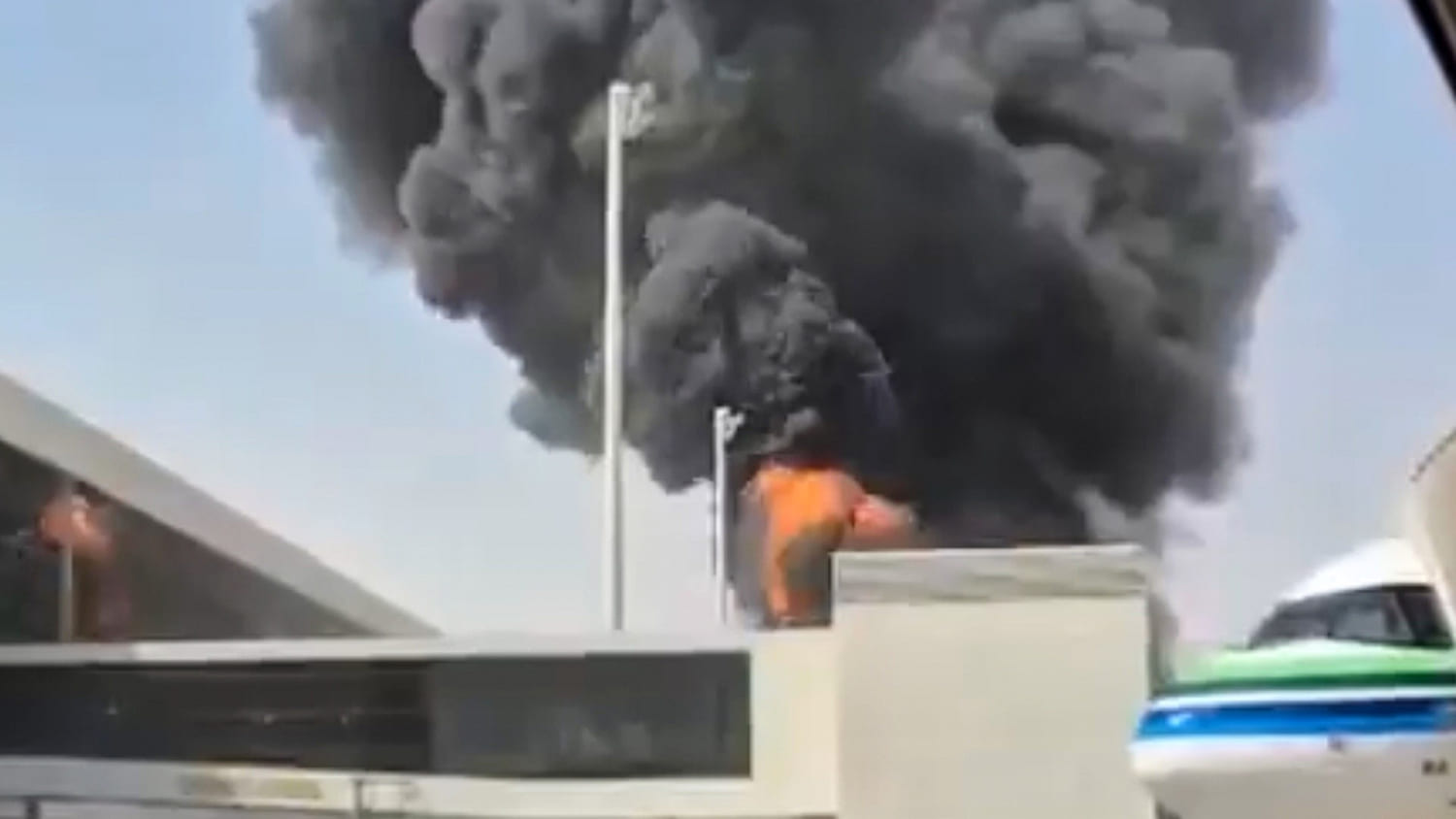 NBC NewsThis piece reads center-left
“widen the U.S.-Iran conflict just weeks before”
Read the original- DWThis piece reads center-left
“fears of a wider regional conflict”
Word choiceEmphasizes potential regional escalation and conflict expansion in the headline alongside the attacks themselves, whereas most outlets focus on the immediate incident and U.S. response.
Read the original 

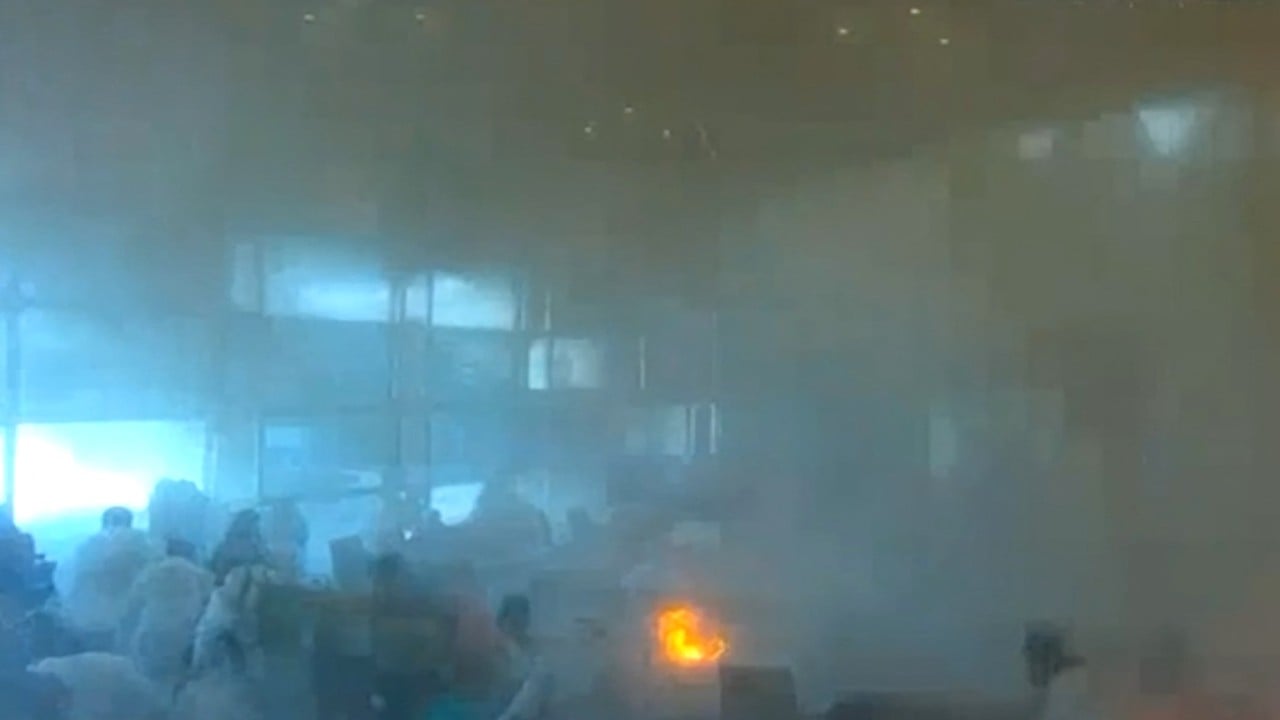 South China Morning PostThis piece reads center
“fresh security threats to the kingdom”
Read the original Financial TimesThis piece reads center
“International oil company chiefs stay away”
What's left outLeads with economic consequences—energy sector figures avoiding a Saudi congress—rather than casualty figures or security details, emphasizing business and market impact.
Read the original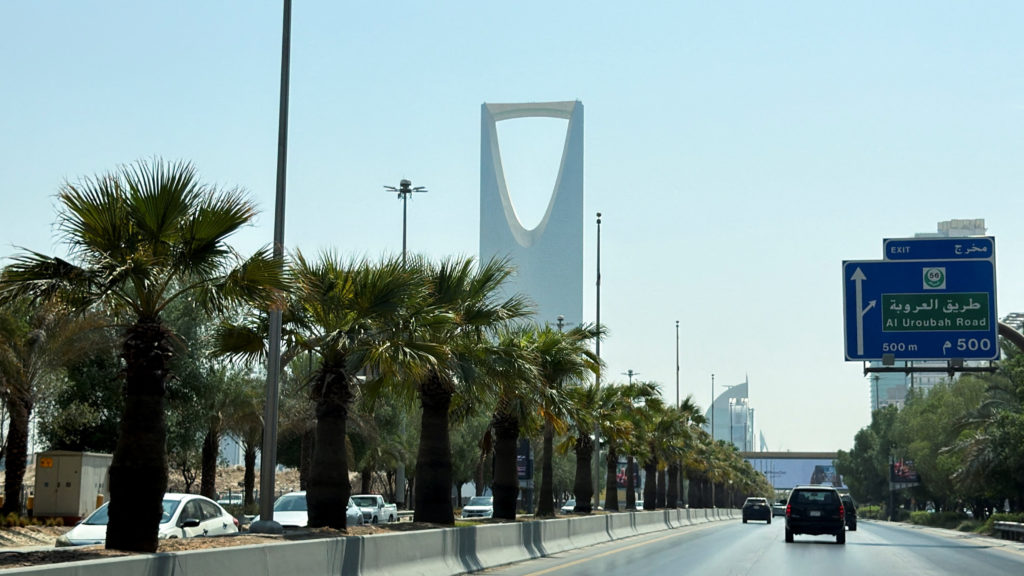
- CBS NewsThis piece reads center-right
“Trump considers joining Saudi attacks on Iran's Houthi allies”
Word choiceSpecifies the death toll as 20 over a week's period of strikes, whereas other outlets report 12-13 deaths from the specific weekend airport attacks, creating different impressions of the scale.
Read the original 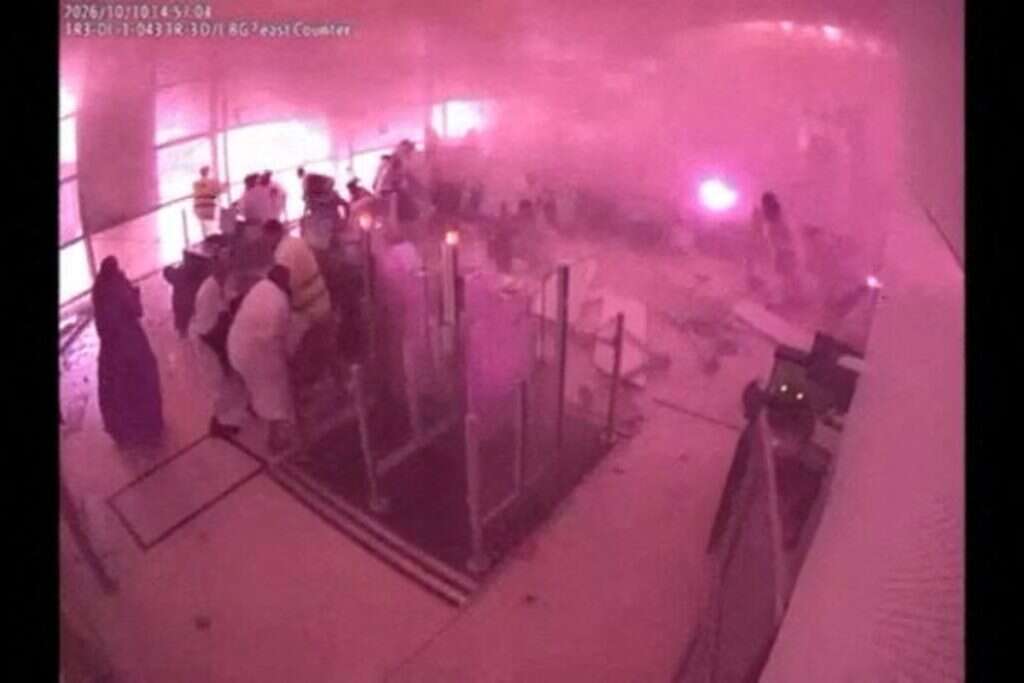 Israel HayomThis piece reads center-right
“Saudi Arabia vows retaliation after deadly Houthi strike”
Read the original
Placements are generated by an AI model from each article’s own headline and summary, and every quotation above is checked to be a real substring of that article before it is published. How this is done
Prism is free and carries no advertising. Support it if it was useful.