Novaya Gazeta, one of Russia's last independent newspapers, forced to close after 33 years under Kremlin pressure
Reported by
A dot shows how that piece reads — Prism rates articles, not outlets, and shows the words behind each placement below. No dot means the piece isn’t rated. How the ratings work

What happened
The account the coverage agrees on, with contested figures attributed rather than asserted. This is not one of the five framings below — it is the ground they all stand on.
Novaya Gazeta, Russia's most prominent independent newspaper, announced its closure on October 30, 2026, after 33 years of operation. The publication said it was forced to shut by state pressure and evicted from its Moscow office on Potapovsky Lane, where it had been based for 29 years. Its final issue will be published on November 9. Founded in 1993 with funding from Mikhail Gorbachev's Nobel Peace Prize, the newspaper had continued operating despite searches, website blocks, registration revocation, and harassment of its journalists.
How the spectrum reads this story
The same event, summarised as five points on the political spectrum would each tend to frame it. These are generated by an AI model and are a starting point, not the last word.
Left
Novaya Gazeta's forced closure represents the death of press freedom in Russia under authoritarian rule. The Kremlin systematically dismantled one of the few outlets holding power accountable, using searches, legal harassment, and eviction to silence dissent. This destruction of independent journalism reflects how authoritarian systems eliminate checks on state violence and corruption, leaving citizens unable to access truth about their government's actions.
No article in this story reads this way. This is how the position tends to frame events like it — written by a model, not quoted from anyone.
Center-left
The shutdown of Novaya Gazeta marks a significant loss for Russian civil society and international press freedom. After three decades documenting human rights abuses and telling stories suppressed elsewhere, the newspaper succumbed to sustained Kremlin pressure—website blocks, office raids, and registration revocation. This closure demonstrates how targeted legal and administrative measures can erode independent media even when outright bans prove difficult, closing space for accountability journalism in Russia.
Drawn from 4 articles placed here, below.
Center
Novaya Gazeta's closure reflects the narrowing political space in Russia, where independent outlets face mounting administrative and legal obstacles that make continued operation unsustainable. The newspaper managed survival for decades despite harassment, but the accumulation of pressure—evictions, blocks, registration issues—eventually became untenable. The closure raises questions about how media outlets balance survival with editorial independence when facing sustained state pressure.
No article in this story reads this way. This is how the position tends to frame events like it — written by a model, not quoted from anyone.
Center-right
Novaya Gazeta's closure results from the newspaper's inability to operate within Russia's legal and regulatory framework. Founded during a more open period after Soviet collapse, the publication faced increasing regulatory scrutiny through searches, website blocks, and loss of registration. The newspaper's decision to cease operations reflects practical constraints rather than sudden suppression, though the regulatory environment clearly made independent journalism in Russia increasingly difficult.
Drawn from 1 article placed here, below.
Right
Novaya Gazeta's shutdown follows decades of the publication actively working against Russian state interests and stability. Operating since 1993 with foreign backing and a consistent anti-state editorial line, the newspaper promoted narratives hostile to Russian sovereignty. The closure reflects Russia's assertion of authority over media operating within its territory—a sovereign right any nation exercises. Other countries similarly regulate press outlets deemed to operate against national interests.
No article in this story reads this way. This is how the position tends to frame events like it — written by a model, not quoted from anyone.
Hear two viewpoints debate it
Pick two viewpoints and Prism writes a short, six-turn exchange about this story in each one’s own voice — steel-manned, no winner declared. Each pairing is written once and then saved for every reader. The voices are AI syntheses of a tradition, not real people.
New pairing — Prism will write it now.
How each outlet covered it
Where Prism places each piece — not the outlet in general — with the words from that piece that put it there, and the photograph the outlet chose. Picking a photo is a framing decision too.

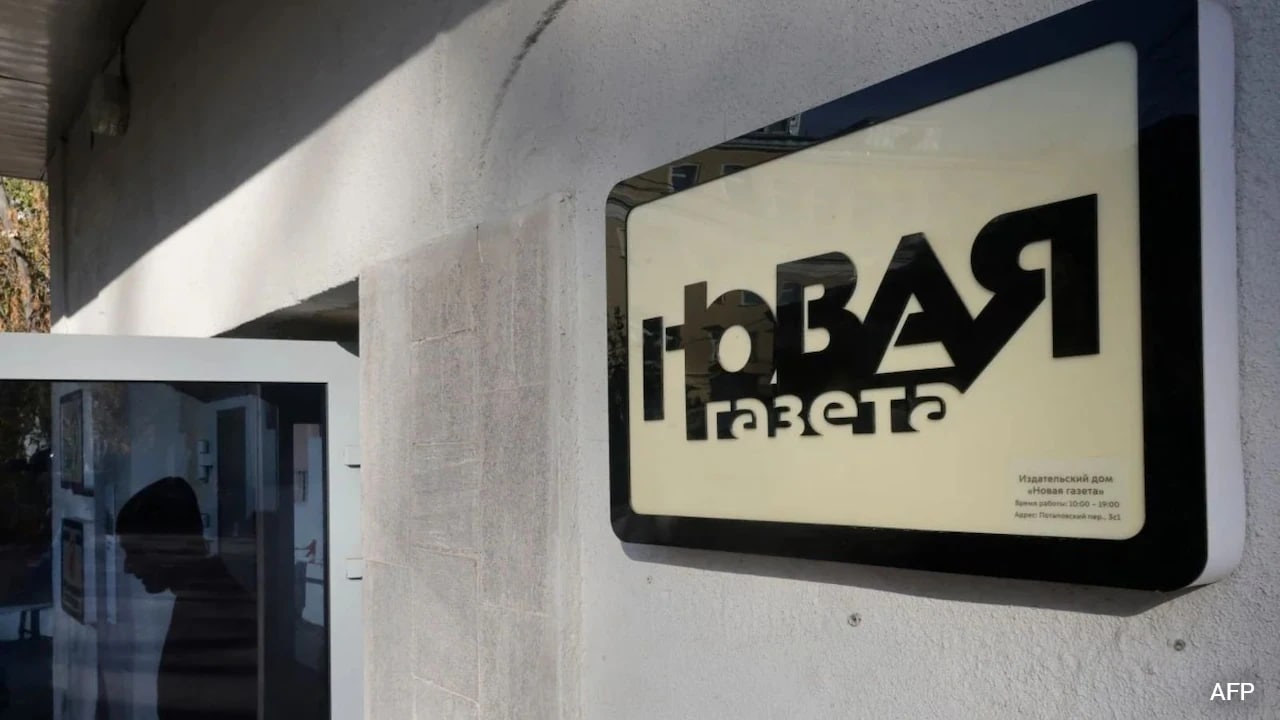
- Meduzanot rated
Word choiceEmphasizes duration with 'after 33 years,' whereas UPI and The Straits Times lead with present-tense pressure and closure without highlighting the span of the newspaper's survival—a difference that shifts focus to what was lost over time.
Read the original - The Straits Timesnot ratedRead the original
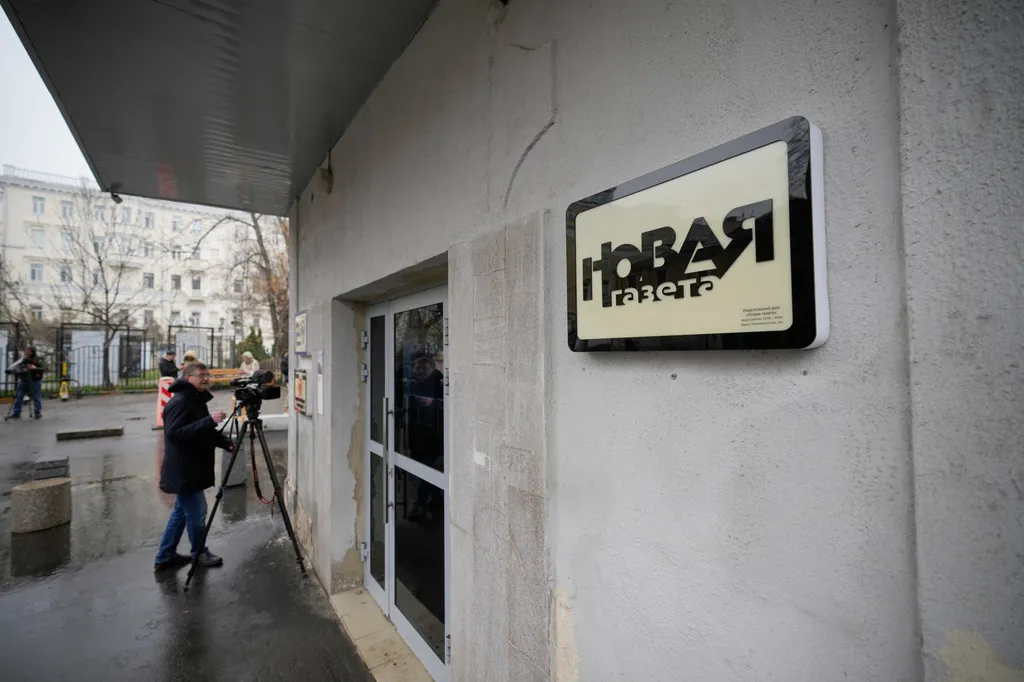 Washington ExaminerThis piece reads center-right
“shutting down for good”
FramingUses active voice 'Russia shuts down' to emphasize state agency, while other outlets use passive constructions ('shuts down,' 'closes') or frame it as the newspaper's own decision—a framing that places responsibility directly on the Russian government.
Read the original

Placements are generated by an AI model from each article’s own headline and summary, and every quotation above is checked to be a real substring of that article before it is published. How this is done
Prism is free and carries no advertising. Support it if it was useful.