Justice Department investigates TV networks over suspension of White House press pool coverage
Reported by
A dot shows how that piece reads — Prism rates articles, not outlets, and shows the words behind each placement below. No dot means the piece isn’t rated. How the ratings work
What happened
The account the coverage agrees on, with contested figures attributed rather than asserted. This is not one of the five framings below — it is the ground they all stand on.
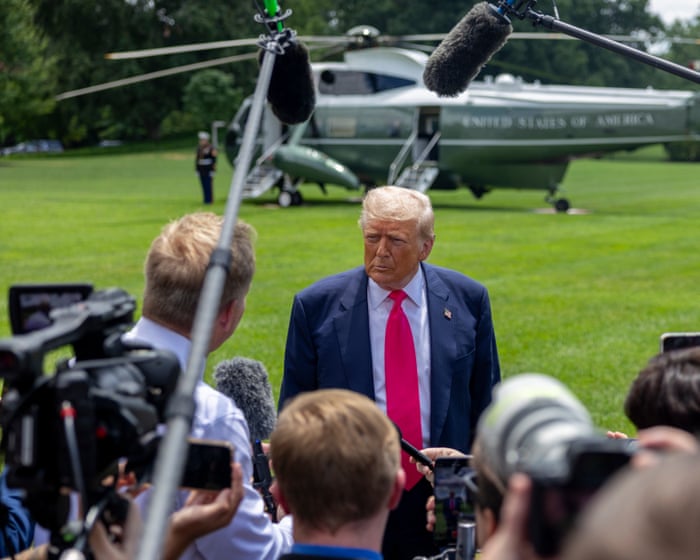
The Department of Justice is investigating whether five television networks—ABC, CBS, CNN, NBC, and Fox News—violated antitrust laws when they suspended White House pool coverage of President Trump last month. The suspension followed Trump's decision to bar CNN, MSNBC, and Politico from White House access. A DOJ spokesperson said the probe examines whether the networks' joint action constitutes an illegal group boycott under antitrust law.
How the spectrum reads this story
The same event, summarised as five points on the political spectrum would each tend to frame it. These are generated by an AI model and are a starting point, not the last word.
Left
This investigation reveals how the Trump administration weaponizes antitrust law to punish independent journalism. When networks stood together against censorship—refusing to participate in a rigged system after legitimate outlets were barred—the DOJ responded with intimidation. This is not antitrust enforcement; it is retaliation against press freedom and a chilling warning that collective action in defense of democratic principles will be treated as a criminal conspiracy.
No article in this story reads this way. This is how the position tends to frame events like it — written by a model, not quoted from anyone.
Center-left
The DOJ's investigation raises serious concerns about government pressure on the press. While the networks' coordinated response to Trump's ban on certain outlets showed editorial solidarity, using antitrust law to investigate them appears to conflate legitimate news judgment with anticompetitive conduct. The administration should not use federal enforcement powers to punish media organizations for editorial decisions, even controversial ones.
Drawn from 2 articles placed here, below.
Center
This situation presents a genuine tension between competing principles. News networks coordinating their coverage decisions does raise legitimate questions about how antitrust law applies to media, but the timing and context—investigating them for refusing to cover a president who just barred their competitors—invites suspicion of political motivation rather than neutral law enforcement. A more credible approach would involve clearer standards for when editorial coordination crosses into unlawful boycott, applied consistently regardless of the administration in power.
Drawn from 6 articles placed here, below.
Center-right
The networks' decision to jointly halt coverage was a form of economic pressure coordinated among competitors, which is precisely what antitrust law scrutinizes. Five major broadcasters acting together to punish the White House for editorial decisions goes beyond editorial independence into collective commercial action. A proper investigation is appropriate, though the DOJ should focus on the legal merits and avoid any appearance of targeting based on political disagreement.
No article in this story reads this way. This is how the position tends to frame events like it — written by a model, not quoted from anyone.
Right
The major networks organized a coordinated blackout—a group boycott—to pressure the president over his media access decisions. This is textbook antitrust violation: competitors combining their market power to punish someone who displeased them. That the targets are news organizations does not exempt them from the law. The DOJ investigation is a legitimate enforcement action against anti-competitive conduct, not persecution of the press.
No article in this story reads this way. This is how the position tends to frame events like it — written by a model, not quoted from anyone.
Hear two viewpoints debate it
Pick two viewpoints and Prism writes a short, six-turn exchange about this story in each one’s own voice — steel-manned, no winner declared. Each pairing is written once and then saved for every reader. The voices are AI syntheses of a tradition, not real people.
New pairing — Prism will write it now.
How each outlet covered it
Where Prism places each piece — not the outlet in general — with the words from that piece that put it there, and the photograph the outlet chose. Picking a photo is a framing decision too.
- DWThis piece reads center-left
“probes Trump's press pool boycott for antitrust violation”
Word choiceFrames the networks' action as protest rather than boycott or pool suspension—language that emphasizes motive and moral stance.
Read the original - Washington PostThis piece reads center-left
“sharp escalation in the Trump administration's use of its powers”
FramingExplicitly characterizes the investigation as escalatory retaliation, a judgment not present in other outlets' reporting.
Read the original - The GuardianThis piece reads center
“ceased presidential coverage after CNN, MS Now and Politico were barred”
Read the original 
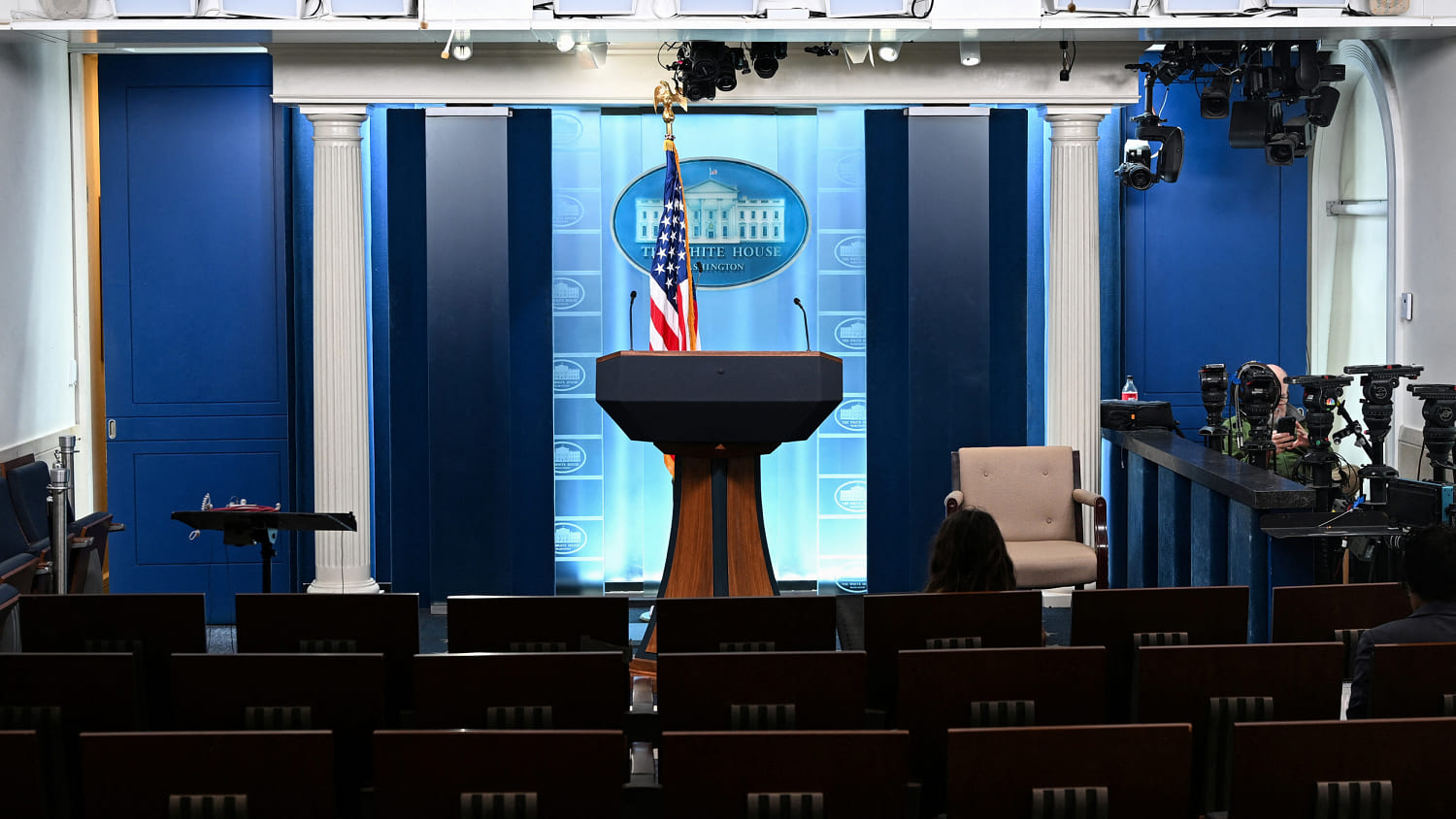
 NewsNationThis piece reads center
“group boycotts among business competitors might violate U.S. law”
Read the original- CBS NewsThis piece reads center
“briefly suspended the TV press pool system”
Word choiceEmphasizes the temporary nature of the suspension with 'briefly,' which other outlets do not.
Read the original - BloombergThis piece reads center
“Justice Department said it is investigating five television networks”
Read the original  Washington Examinernot ratedRead the original
Placements are generated by an AI model from each article’s own headline and summary, and every quotation above is checked to be a real substring of that article before it is published. How this is done
Prism is free and carries no advertising. Support it if it was useful.