Judge orders Trump to give 30 days notice before any changes to Kennedy Center
Reported by
A dot shows how that piece reads — Prism rates articles, not outlets, and shows the words behind each placement below. No dot means the piece isn’t rated. How the ratings work

What happened
The account the coverage agrees on, with contested figures attributed rather than asserted. This is not one of the five framings below — it is the ground they all stand on.
A federal judge ordered the Kennedy Center to give 30 days' written notice before making any changes to the building, including potential demolition. The order came after President Trump suggested the center could be "ripped down" if his demands regarding the venue were not met. Trump had sought to add his name to the performing arts center, but an earlier ruling blocked this without Congressional authorization. Trump's board of trustees at the Kennedy Center voted to close the venue after a judge blocked the name addition.
How the spectrum reads this story
The same event, summarised as five points on the political spectrum would each tend to frame it. These are generated by an AI model and are a starting point, not the last word.
Left
Trump is openly threatening to destroy a national cultural institution because he wasn't allowed to slap his name on it. This is exactly the kind of autocratic behavior critics warned about—a president using public assets as leverage for personal branding and treating democratic institutions as his personal property. The judge's 30-day notice requirement is a minimal check on what amounts to institutional vandalism by a petulant administration willing to weaponize government against anyone who doesn't comply with his whims.
No article in this story reads this way. This is how the position tends to frame events like it — written by a model, not quoted from anyone.
Center-left
The Trump administration's threat to demolish the Kennedy Center over a naming dispute represents an alarming abuse of presidential power over a cultural institution. While a federal judge has imposed a 30-day notice requirement as a procedural safeguard, this barely addresses the core problem: that the president is using control of the board to coerce compliance with personal demands. Congress and the courts need to establish clear boundaries around presidential authority over independent arts institutions.
Drawn from 4 articles placed here, below.
Center
A dispute over the Kennedy Center's governance has escalated into a demolition threat, prompting judicial intervention through a mandatory notice requirement. The underlying issue—whether Trump's name belongs on the building—involves legitimate questions about institutional independence, presidential authority, and naming conventions. A 30-day notice requirement buys time for negotiation, but resolving this requires all parties to recognize that threatening to destroy a major arts venue is counterproductive, and that governance disputes should be settled through institutional channels rather than ultimatums.
Drawn from 8 articles placed here, below.
Center-right
The Trump administration's control of the Kennedy Center board reflects the president's authority over institutions he oversees. The dispute over his name on the building involves legitimate questions about recognition and legacy. While a judge has imposed a 30-day notice requirement, the real issue is whether the Kennedy Center can function effectively under current management. The judge's order appears designed to delay action rather than resolve the underlying governance question of how the institution should operate and be run.
Drawn from 1 article placed here, below.
Right
Trump identified problems with how the Kennedy Center operates and sought to reform it, including decisions about its name and identity. A judge imposed procedural delays through a 30-day notice requirement that appears designed to obstruct executive action. The real question is whether the president, who chairs the board, should be able to make decisions about a major federal institution without constant judicial second-guessing. The focus on Trump's name is a distraction from legitimate questions about the center's management and future.
No article in this story reads this way. This is how the position tends to frame events like it — written by a model, not quoted from anyone.
Hear two viewpoints debate it
Pick two viewpoints and Prism writes a short, six-turn exchange about this story in each one’s own voice — steel-manned, no winner declared. Each pairing is written once and then saved for every reader. The voices are AI syntheses of a tradition, not real people.
New pairing — Prism will write it now.
How each outlet covered it
Where Prism places each piece — not the outlet in general — with the words from that piece that put it there, and the photograph the outlet chose. Picking a photo is a framing decision too.
- Daily KosThis piece reads center-left
“Trump touts he's the 'one capable of fixing”
FramingEmphasizes Trump's framing of his role as a solution to institutional problems, whereas other outlets focus on the demolition threat or the naming dispute.
Read the original - The BulwarkThis piece reads center-left
“Trump Threatens Kennedy Center Demolition If His Name Isn't”
FramingFrames the core claim as an explicit threat conditional on naming, where most outlets present demolition as a possibility Trump raised or suggested without the same transactional clarity.
Read the original 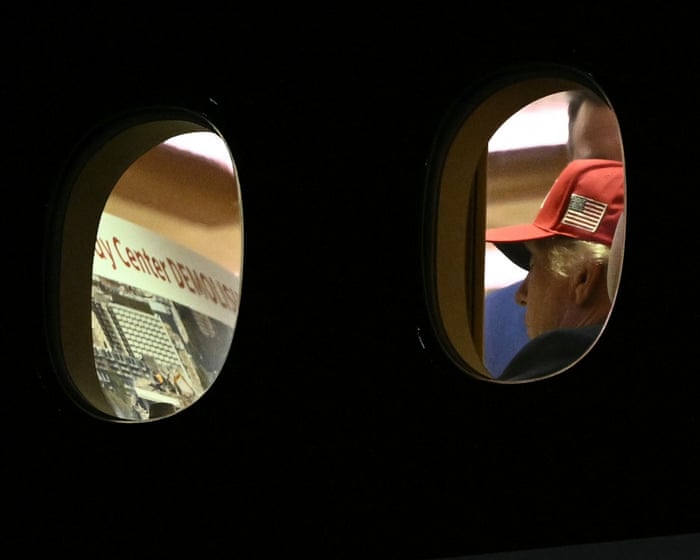 The GuardianThis piece reads center-left
“Ruling comes amid demolition threats by Donald Trump”
Word choiceUses 'stymied,' which carries a sense of obstruction or frustration, whereas other outlets describe the legal block more neutrally.
Read the original- The New RepublicThis piece reads center-left
“Judge Ties Trump's Hands on Changes to Kennedy Center”
Read the original 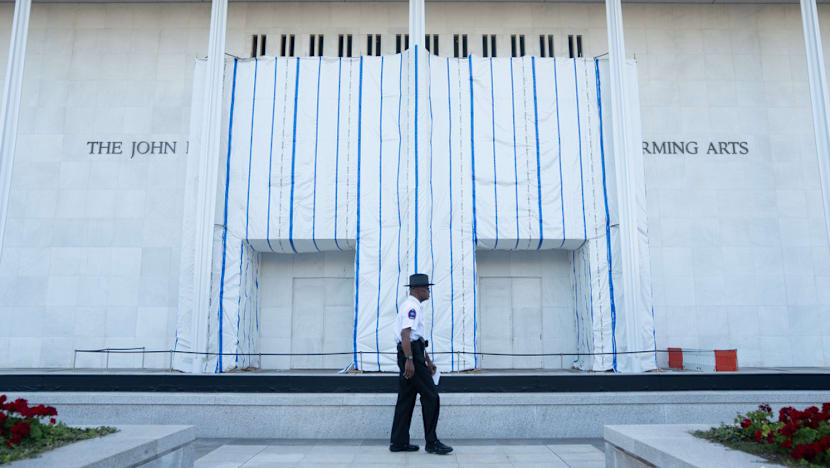
- The Straits TimesThis piece reads center
“a judge ordered Trump to give 30 days notice”
Read the original - Washington PostThis piece reads center
“His allies have warned that it could be permanent”
Read the original  ABC NewsThis piece reads center
“A judge has directed the Trump administration to provide”
Read the original UPIThis piece reads center
“A judge on Thursday ordered that the Trump administration”
Read the original- CNBCThis piece reads center
“judge has ruled it cannot be placed there without authorization”
Read the original 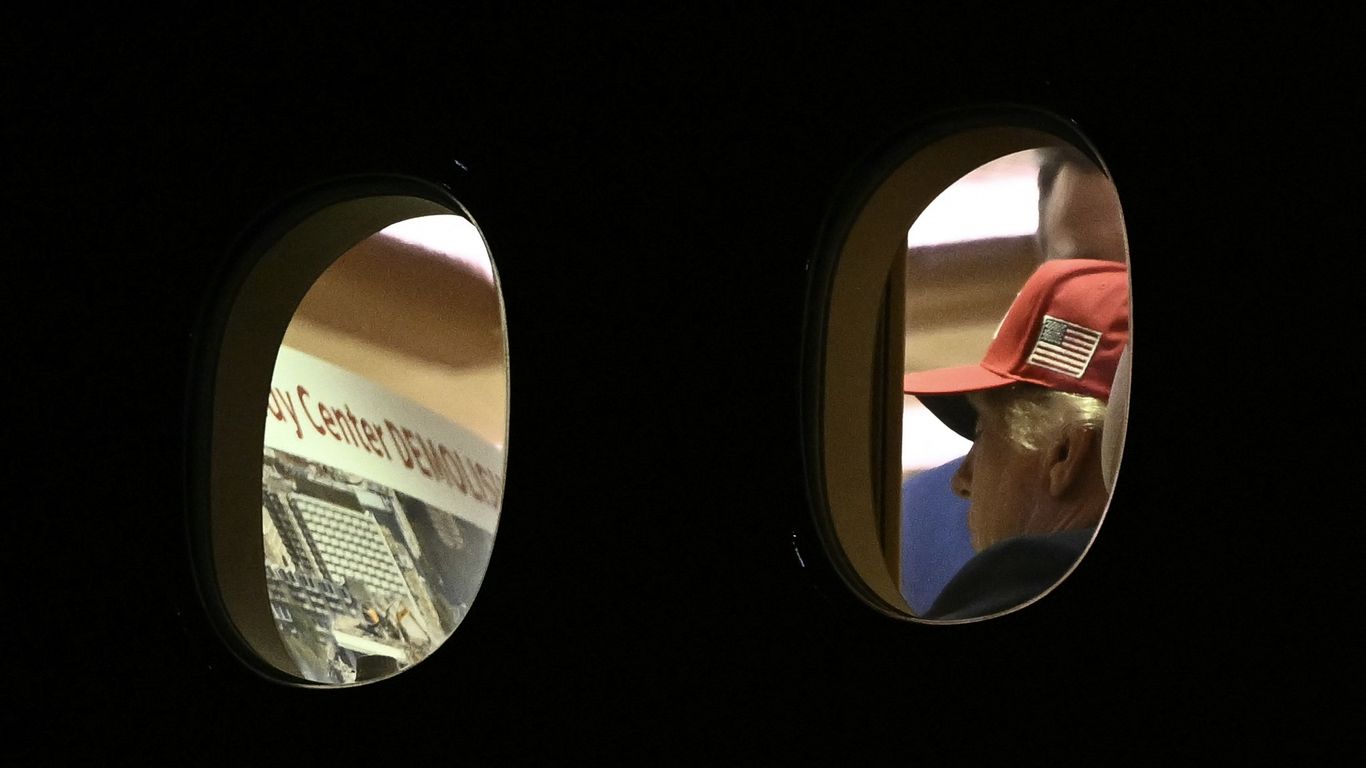
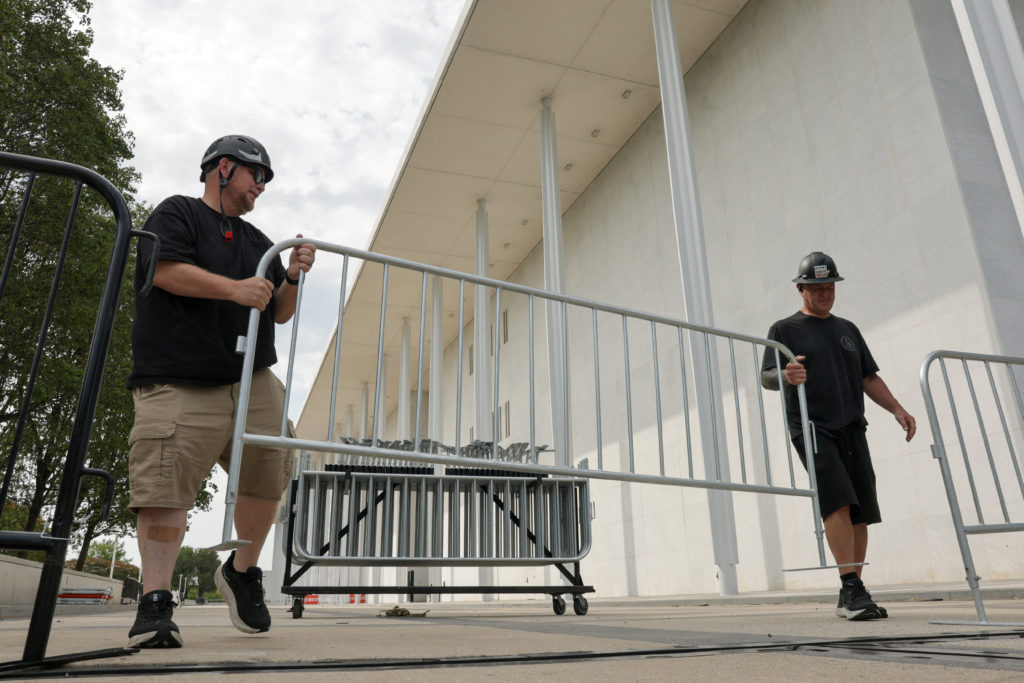 PBS NewsHourThis piece reads center
“U.S. District Judge Christopher Cooper blocked the institution”
Read the original Washington ExaminerThis piece reads center-right
“the Obama-appointed federal judge overseeing the performing arts”
What's left outIdentifies the judge's appointing president, a detail other outlets omit, which some readers may see as context for judicial bias or orientation.
Read the original
Placements are generated by an AI model from each article’s own headline and summary, and every quotation above is checked to be a real substring of that article before it is published. How this is done
Prism is free and carries no advertising. Support it if it was useful.