Trump demands Ukraine replace Zelensky after Russia diesel deal
Reported by
A dot shows how that piece reads — Prism rates articles, not outlets, and shows the words behind each placement below. No dot means the piece isn’t rated. How the ratings work

What happened
The account the coverage agrees on, with contested figures attributed rather than asserted. This is not one of the five framings below — it is the ground they all stand on.
On October 10, President Trump told reporters outside the White House that Ukraine should replace President Volodymyr Zelensky with a leader willing to make a deal with Russia. Trump's statement came after Zelensky criticized a U.S.-Russia diesel deal that would allow Russia to supply hundreds of thousands of tons of diesel to America. Zelensky had said the deal would help Russia fund its war effort. According to Axios, Trump's attack represents the most serious crisis between the two leaders since a February 2025 meeting.
Developing story · 2 chapters
- Trump announces deal with Putin for Russia to supply diesel to US and global markets
- Trump demands Ukraine replace Zelensky after Russia diesel dealyou are here
How each side framed the previous chapter
Compare these with the five framings below to see what moved as the story developed — and what each side kept saying regardless.
Left
Trump has betrayed Ukraine and abandoned years of coordinated Western pressure on Russia's economy in service of a short-term political gambit. By lifting sanctions on Russian diesel weeks before the midterms, he is funneling money directly to fund Putin's invasion while claiming to address fuel prices—a problem his own policies created. This reverses hard-won economic leverage that was working and signals to autocrats everywhere that the U.S. cannot be relied upon as an ally. The deal prioritizes domestic politics over international solidarity and the survival of a democracy under assault.
Center-left
Trump's decision to ease sanctions on Russian diesel and strike a deal with Putin is reckless and undermines both Ukraine and NATO. While fuel prices matter to voters, this move hands Putin financial resources he can use to wage war while signaling weakness to U.S. allies who have sacrificed to maintain sanctions. The timing—just before midterms—suggests political calculation over sound foreign policy. Any short-term price relief comes at the cost of long-term credibility and the strategic position that collective Western sanctions had established against Russian aggression.
Center
The deal reflects a genuine tension between competing priorities: genuinely high fuel prices hurt American households and could affect midterm results, but easing pressure on Russia while it wages war in Ukraine creates serious alliance problems and strategic risks. Trump's framing that lower diesel prices justify sanctions relief oversimplifies the calculation. A middle path might have involved negotiating with allies on targeted relief or exploring other supply sources rather than unilateral action that divides the West. The approach prioritizes immediate economic gain over longer-term institutional relationships and burden-sharing with partners.
Center-right
High fuel prices are a genuine economic problem that affects American workers and businesses, and Trump is right to seek solutions. However, the unilateral approach and the optics of a deal struck directly with Putin weeks before elections invite legitimate criticism that this was politically timed rather than strategically necessary. A better approach would have involved coordinating with allies or exploring non-Russian sources first. While energy markets need Russian supply eventually, moving this quickly and alone undercuts the diplomatic standing and allied unity that make sanctions effective as a policy tool.
Right
Trump is correct that diesel prices harm American farmers, truckers and working people, and releasing Russian supply is a practical step to address this real economic pain. The previous administration's ideology-driven approach to sanctions ignored the cost to ordinary Americans. However, the unilateral execution and the timing create unnecessary controversy that weakens the policy's defensibility. A more careful rollout coordinated with key allies—explaining that energy markets require Russian supply, not as capitulation but as economic reality—would have been stronger. The core decision to prioritize American pocketbooks over performative gestures to Ukraine is sound.
How the spectrum reads this story
The same event, summarised as five points on the political spectrum would each tend to frame it. These are generated by an AI model and are a starting point, not the last word.
Left
Trump's demand that Ukraine replace its elected president exposes the contradiction in his foreign policy: he negotiates secretly with authoritarian powers while undercutting democratic allies who resist. By pressuring Ukraine to abandon Zelensky over a diesel deal that benefits U.S. gas prices before midterms, Trump subordinates Ukraine's sovereignty and security to American electoral politics. This signals he will trade Ukraine's interests away rather than support its independence from Russian domination.
No article in this story reads this way. This is how the position tends to frame events like it — written by a model, not quoted from anyone.
Center-left
Trump's call for Zelensky's replacement reflects a troubling shift in U.S. policy toward Ukraine. While seeking lower diesel prices for midterm elections, Trump is essentially asking Ukraine to choose between its survival and appeasing Russia. Zelensky's criticism of the diesel deal is legitimate—it does benefit Russia's war financing—and Trump's response punishes Ukraine for defending its own interests rather than pursuing a genuine diplomatic solution that respects Ukrainian sovereignty.
Drawn from 1 article placed here, below.
Center
Trump and Zelensky are at odds over competing priorities: Trump wants a quick negotiated end to the war and lower fuel prices domestically, while Zelensky opposes deals that finance Russia's military. The diesel agreement is a real policy choice with trade-offs—cheaper energy for Americans versus potential aid to Russia's war effort. Trump's call for regime change is inflammatory and counterproductive, but it reflects genuine tension between U.S. interests in stability and lower costs versus Ukraine's existential security needs. Both sides have legitimate concerns that need negotiation, not ultimatums.
Drawn from 3 articles placed here, below.
Center-right
Trump is right to push for a negotiated settlement rather than endless warfare. A U.S.-Russia energy deal that lowers diesel prices is a reasonable use of American leverage to pursue peace. Zelensky's strikes on Russian oil refineries prolong the conflict and drive up American gas prices, which harms U.S. workers. Trump's frustration is warranted—Ukraine should be willing to negotiate rather than reject deals outright. However, calling for regime change is harsh; the real issue is that Zelensky refuses to seriously pursue a diplomatic off-ramp.
Drawn from 1 article placed here, below.
Right
Trump is correct that Ukraine needs leadership willing to end an unwinnable war through negotiation rather than continued destruction. By attacking Russian oil infrastructure, Zelensky deliberately escalates costs for American drivers while demanding more U.S. military aid. Trump's diesel deal with Russia is smart statecraft—securing American energy security and leverage for peace talks. Zelensky's intransigence and attacks on the agreement show he prioritizes indefinite war over his people's survival. A new Ukrainian leader focused on realistic peace terms would serve Ukraine far better than Zelensky's scorched-earth approach.
No article in this story reads this way. This is how the position tends to frame events like it — written by a model, not quoted from anyone.
Hear two viewpoints debate it
Pick two viewpoints and Prism writes a short, six-turn exchange about this story in each one’s own voice — steel-manned, no winner declared. Each pairing is written once and then saved for every reader. The voices are AI syntheses of a tradition, not real people.
New pairing — Prism will write it now.
How each outlet covered it
Where Prism places each piece — not the outlet in general — with the words from that piece that put it there, and the photograph the outlet chose. Picking a photo is a framing decision too.
 Daily MirrorThis piece reads center-left
“accused of betraying Ukraine”
Word choiceFrames Trump's actions as a betrayal, whereas other outlets report his statement as a policy disagreement or criticism of Zelensky.
Read the original- Meduzanot ratedRead the original
 BBCThis piece reads center
“Time for Ukraine to get new president”
FramingPresents Trump's demand as a reaction to Zelensky's public criticism, emphasizing the sequence and Zelensky's agency in provoking the conflict.
Read the original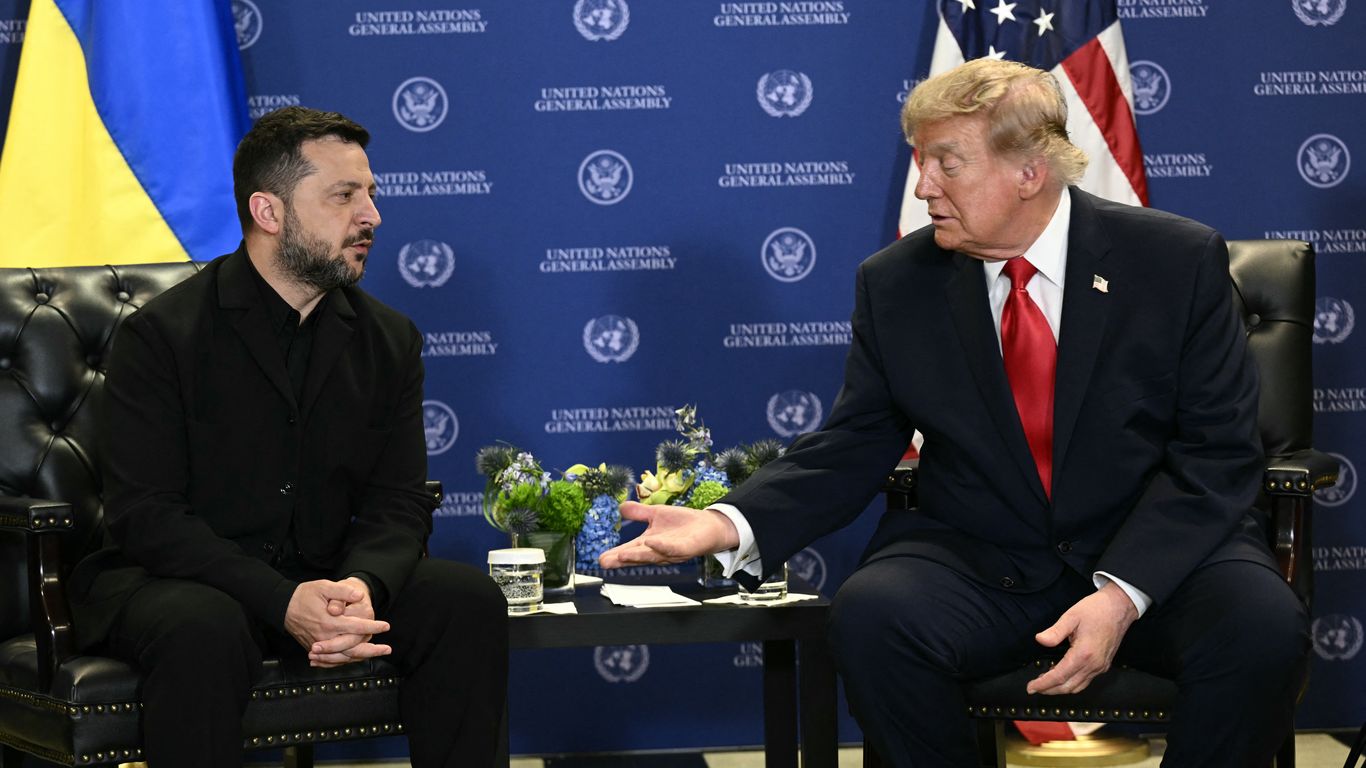 AxiosThis piece reads center
“most serious crisis between the two leaders since their February 2025 meeting”
Read the original- The Times of IndiaThis piece reads center
“Trump targets Zelenskyy after diesel deal with Russia”
Read the original - New York Postnot ratedRead the original
 VanguardThis piece reads center-right
“lashing out at him for strikes on Russian oil refineries”
FramingExplicitly names the refinery strikes as the immediate cause of Trump's criticism, whereas most outlets lead with the diesel deal as context.
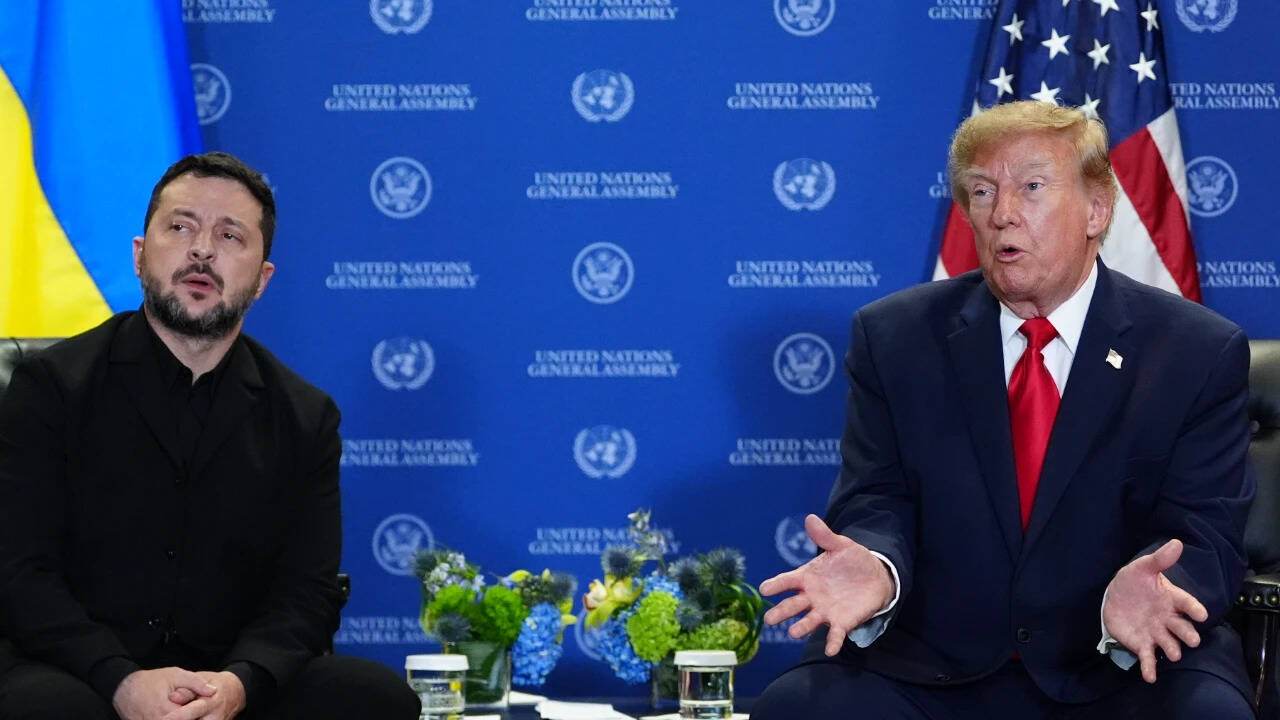
Read the original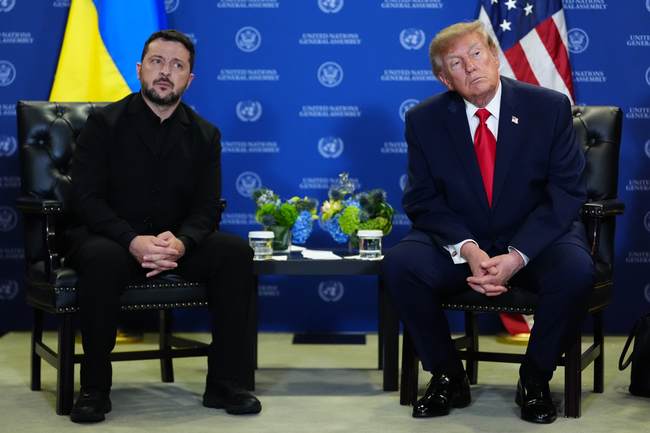 RedStatenot rated
FramingReverses the framing—reports Zelensky feeling betrayed rather than Trump's criticism of Zelensky, and attributes Trump's complaint to Zelensky ignoring a request to stop refinery attacks.
Read the original
Placements are generated by an AI model from each article’s own headline and summary, and every quotation above is checked to be a real substring of that article before it is published. How this is done
Prism is free and carries no advertising. Support it if it was useful.