Federal Reserve holds interest rates steady despite inflation ahead of US midterms
Reported by
A dot shows how that piece reads — Prism rates articles, not outlets, and shows the words behind each placement below. No dot means the piece isn’t rated. How the ratings work

What happened
The account the coverage agrees on, with contested figures attributed rather than asserted. This is not one of the five framings below — it is the ground they all stand on.
The Federal Open Market Committee held interest rates unchanged at its October meeting, the last before the U.S. midterm elections scheduled for the following week. Two policymakers dissented, favoring another rate increase. September inflation data showed an uptick, leaving the door open to a potential rate hike in December.
How the spectrum reads this story
The same event, summarised as five points on the political spectrum would each tend to frame it. These are generated by an AI model and are a starting point, not the last word.
Left
The Fed chose political caution over economic necessity, keeping rates steady before the midterms despite rising inflation. Two dissenting members recognized the need to act, but the committee prioritized avoiding market turbulence before voters go to the polls. This deference to electoral timing shows how central bank decisions remain entangled with political pressures, undermining the independence that should insulate monetary policy from short-term political considerations.
No article in this story reads this way. This is how the position tends to frame events like it — written by a model, not quoted from anyone.
Center-left
The Federal Reserve made a measured choice to pause rate increases ahead of the midterm elections while remaining alert to inflation risks. The two dissenting votes reflect legitimate debate within the committee about the pace of tightening. The decision balances the need to address persistent inflation against the risks of sudden moves that could destabilize markets and the economy just before an important election.
Drawn from 3 articles placed here, below.
Center
The Fed's decision reflects genuine uncertainty about the inflation trajectory and the right policy pace. Holding rates steady while keeping December's meeting open acknowledges both the persistence of price pressures and the risks of moving too aggressively. The two dissents show normal professional disagreement within the committee rather than any crisis; reasonable economists differ on whether to tighten further now or wait for more data. The timing relative to elections is notable but not disqualifying—the Fed must make decisions on a regular calendar regardless of the political calendar.
Drawn from 4 articles placed here, below.
Center-right
The Federal Reserve appropriately maintained its course while signaling readiness to act in December if inflation fails to cool. Holding rates steady reflects confidence that previous increases are having their intended effect and that patience is justified. The committee's decision respects both the lags in monetary policy and the need to avoid overreacting. The two dissenters' preference for immediate action overlooks the risk of tightening too much, too fast and potentially triggering unnecessary economic weakness.
Drawn from 2 articles placed here, below.
Right
The Federal Reserve's decision to hold rates steady despite elevated inflation represents a failure of nerve at a critical moment. Two committee members correctly recognized that persistent price pressures demand immediate action, but the majority chose political comfort over economic discipline. By pausing rate increases just before the midterms, the Fed appears to have prioritized electoral outcomes over price stability, compromising its institutional independence and the credibility essential to controlling inflation expectations.
No article in this story reads this way. This is how the position tends to frame events like it — written by a model, not quoted from anyone.
Hear two viewpoints debate it
Pick two viewpoints and Prism writes a short, six-turn exchange about this story in each one’s own voice — steel-manned, no winner declared. Each pairing is written once and then saved for every reader. The voices are AI syntheses of a tradition, not real people.
New pairing — Prism will write it now.
How each outlet covered it
Where Prism places each piece — not the outlet in general — with the words from that piece that put it there, and the photograph the outlet chose. Picking a photo is a framing decision too.
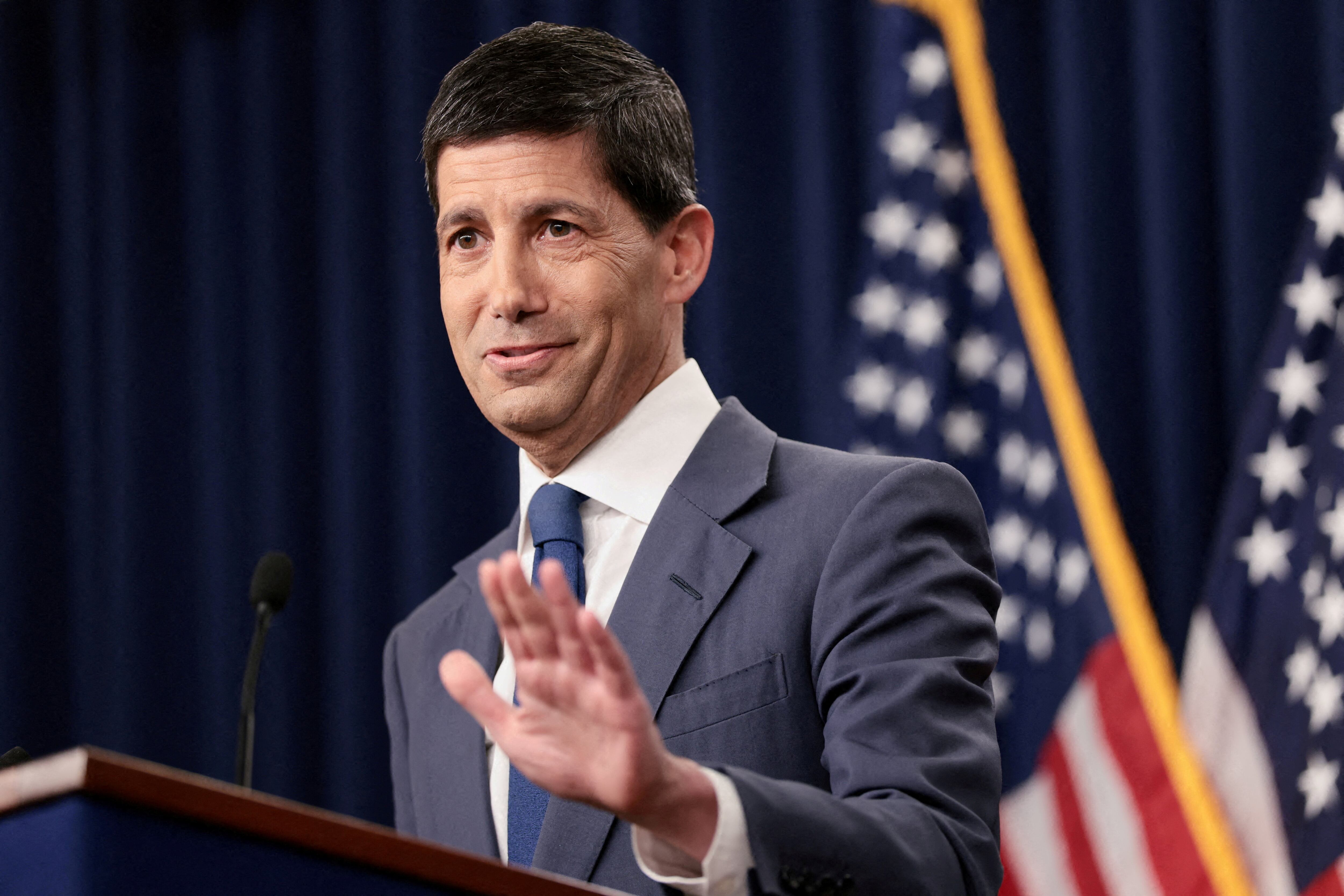 El PaísThis piece reads center-left
“September's inflation uptick leaves the door open to a rate hike”
FramingEmphasizes the data-driven logic connecting inflation trends to future action, framing the decision as leaving space for future correction rather than passive acceptance.
Read the original NPRThis piece reads center-left
“investors widely expect the central bank to raise rates at its next”
FramingExplicitly reports market expectations for December action, contextualizing the hold as temporary and contingent—other outlets mention December as a possibility but with less certainty about what markets expect.
Read the original Straight Arrow NewsThis piece reads center-left
“left interest rates unchanged, despite stubborn inflation, just days before”
Read the original- UPIThis piece reads center
“kept interest rates unchanged Wednesday in its last meeting before”
Read the original 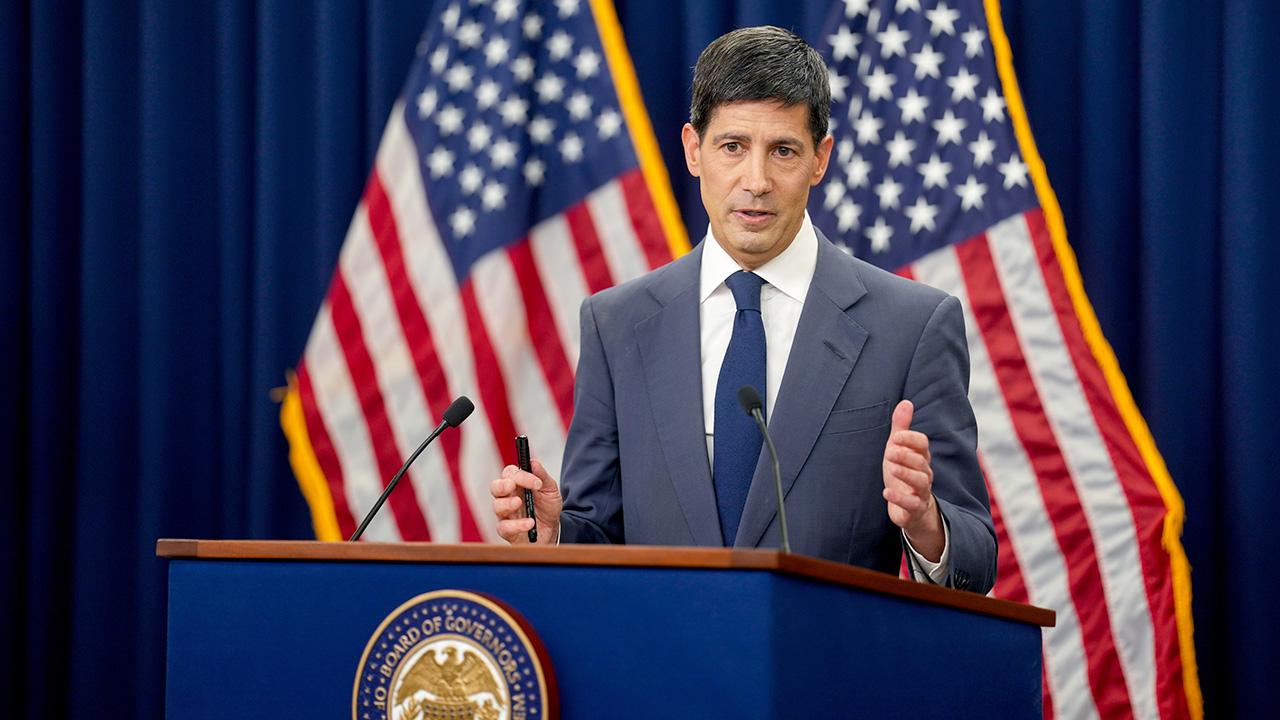 Fox BusinessThis piece reads center
“left interest rates unchanged at their October meeting ahead of”
Read the original- CBS NewsThis piece reads center
“decided to hold interest rates steady despite high inflation”
Read the original 
 The Daily CallerThis piece reads center-right
“Not Everyone At Fed Was Gung-Ho About Keeping Rates Steady”
Word choiceUses colloquial language 'gung-ho' where other outlets use neutral descriptors like 'dissenting' or 'favoring.' The phrasing emphasizes disagreement and suggests conformist enthusiasm among the majority.
Read the original- The American ConservativeThis piece reads center-right
“Fed Keeps Rates Steady Despite 'Elevated' Inflation”
Word choicePuts 'elevated' in scare quotes, which reads as skepticism about whether the inflation label is warranted—other outlets state inflation plainly without qualification.
Read the original
Placements are generated by an AI model from each article’s own headline and summary, and every quotation above is checked to be a real substring of that article before it is published. How this is done
Prism is free and carries no advertising. Support it if it was useful.