Democratic National Committee sues Trump over taxpayer-funded political ads
Reported by
A dot shows how that piece reads — Prism rates articles, not outlets, and shows the words behind each placement below. No dot means the piece isn’t rated. How the ratings work

What happened
The account the coverage agrees on, with contested figures attributed rather than asserted. This is not one of the five framings below — it is the ground they all stand on.
The Democratic National Committee sued the Trump administration on Wednesday over television ads funded with taxpayer money. The DNC alleges the ads, which have cost between $12 million and $20 million according to different sources, violate federal law banning the use of appropriated funds for 'publicity or propaganda purposes.' The complaint states President Trump personally directed the activity. The lawsuit seeks to halt federal funding for the ads ahead of November's midterm elections.
How the spectrum reads this story
The same event, summarised as five points on the political spectrum would each tend to frame it. These are generated by an AI model and are a starting point, not the last word.
Left
Trump's administration has brazenly misused public money to run propaganda for himself, treating the Treasury as his personal campaign fund. This isn't a legal gray area—it's a clear violation of statutes explicitly written to prevent exactly this abuse of power. The scale of the diversion—tens of millions in taxpayer dollars—shows how thoroughly this administration disregards democratic norms. The lawsuit is a necessary check on authoritarian overreach, and courts must act decisively to stop it.
No article in this story reads this way. This is how the position tends to frame events like it — written by a model, not quoted from anyone.
Center-left
The Trump administration appears to have crossed a clear legal line by using federal funds for ads that promote the president politically rather than informing the public about government programs. Federal law exists specifically to prevent this kind of misuse of taxpayer money. The DNC's lawsuit is an appropriate remedy through the courts, and if the allegations are proven, the administration should be required to reimburse the Treasury and cease the practice immediately.
Drawn from 1 article placed here, below.
Center
A genuine legal question has arisen about whether ads produced by the Trump administration constitute permissible government communications or illegal campaign propaganda funded by taxpayers. The statute banning appropriations for 'publicity or propaganda' is old and its boundaries in the digital age are genuinely unclear—courts will need to weigh whether promotional content about a president's policies crosses into campaigning. Both the administration's use of funds and the DNC's lawsuit are legitimate moves within the system, and judicial interpretation is the appropriate way to resolve the dispute.
Drawn from 2 articles placed here, below.
Center-right
The Trump administration's use of federal funds for promotional advertising raises legitimate questions about the boundaries between government communications and campaign activity. While the administration may argue these ads inform the public about policies, federal law does restrict the use of appropriations for 'publicity or propaganda,' and courts should review whether that line was crossed. If the administration violated the statute, it should comply with any judicial order to stop and potentially reimburse funds. The lawsuit represents a normal democratic check on executive authority.
Drawn from 1 article placed here, below.
Right
The DNC is weaponizing courts and arcane budget rules to attack the Trump administration's ability to communicate with voters. What the administration calls government information about policies, Democrats call propaganda—the same ads, viewed through partisan lenses differently. The vague 'publicity or propaganda' statute has never been clearly defined, giving judges enormous discretion to impose their preferred outcome. This lawsuit is transparently political litigation designed to handicap Republicans before midterms, not a genuine legal concern about budget procedures.
No article in this story reads this way. This is how the position tends to frame events like it — written by a model, not quoted from anyone.
Hear two viewpoints debate it
Pick two viewpoints and Prism writes a short, six-turn exchange about this story in each one’s own voice — steel-manned, no winner declared. Each pairing is written once and then saved for every reader. The voices are AI syntheses of a tradition, not real people.
New pairing — Prism will write it now.
How each outlet covered it
Where Prism places each piece — not the outlet in general — with the words from that piece that put it there, and the photograph the outlet chose. Picking a photo is a framing decision too.
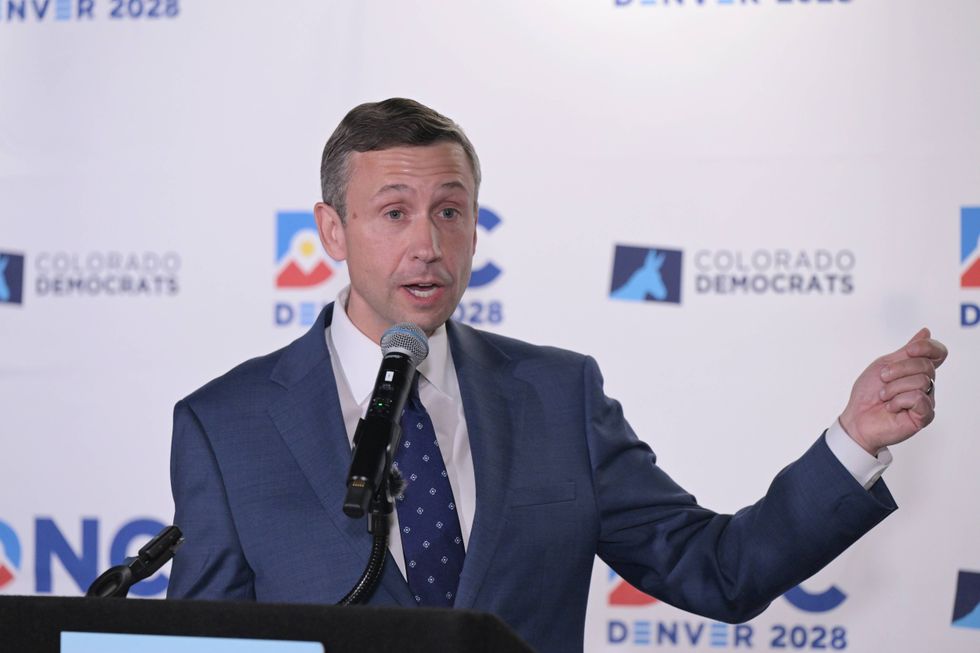 Common Dreamsnot rated
FramingThe headline's framing—'The DNC Has No Choice'—presents the lawsuit as a forced response to an egregious violation, whereas other outlets describe it as an action the DNC took without characterizing it as compelled.
Read the original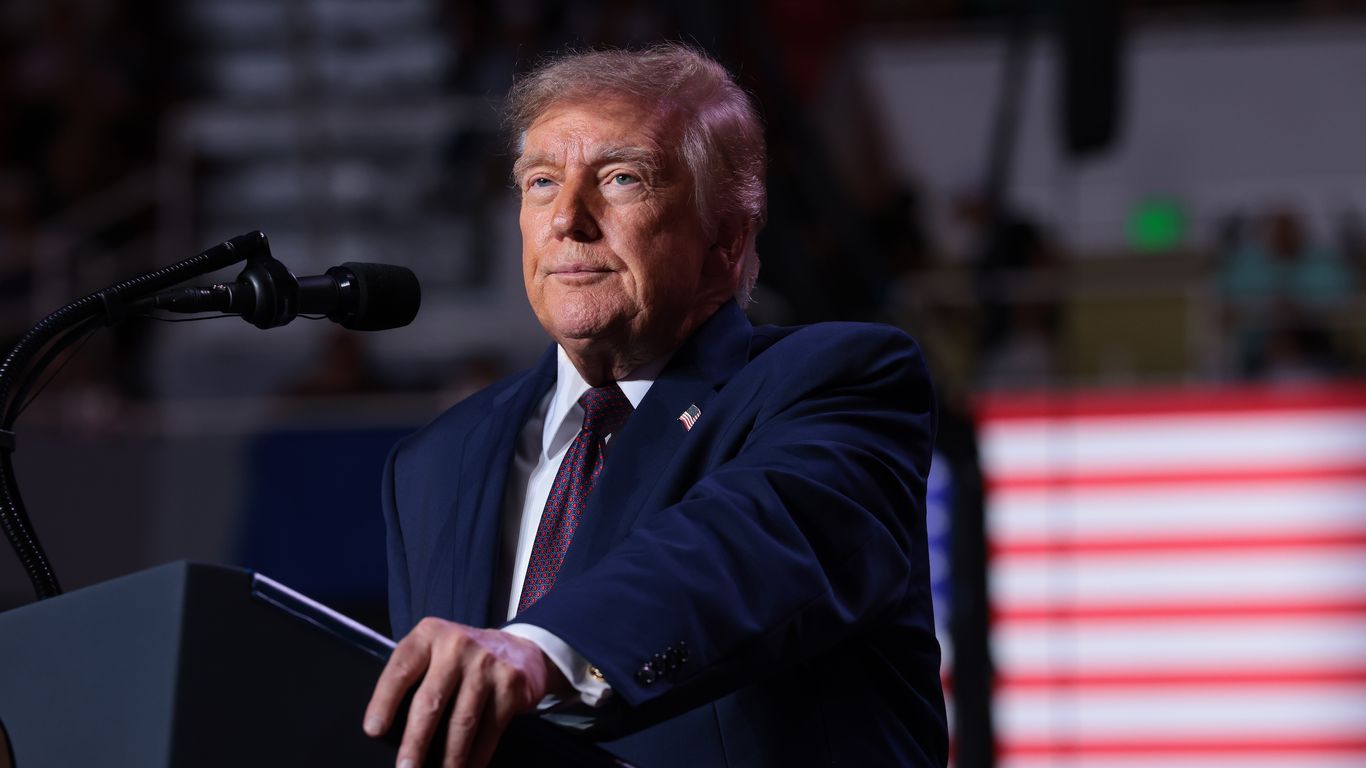 Axiosnot ratedRead the original
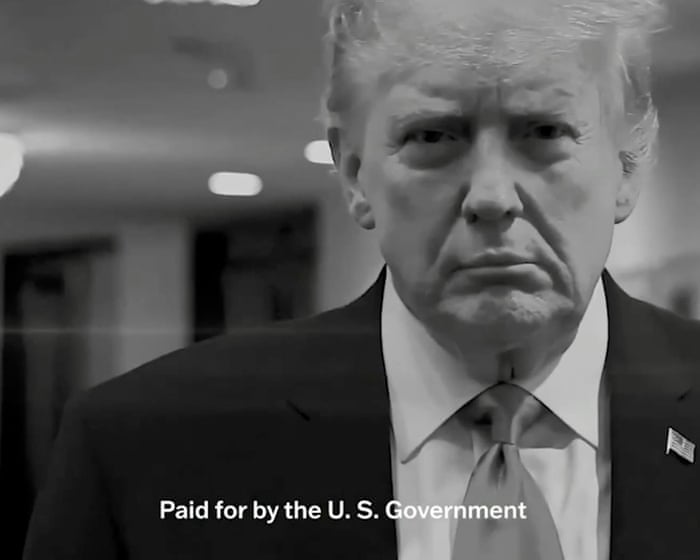 The GuardianThis piece reads center-left
“his Super Pac has refused to reimburse taxpayers”
Read the original- UPInot ratedRead the original

- Washington PostThis piece reads center
“broke multiple laws by using government money”
Read the original 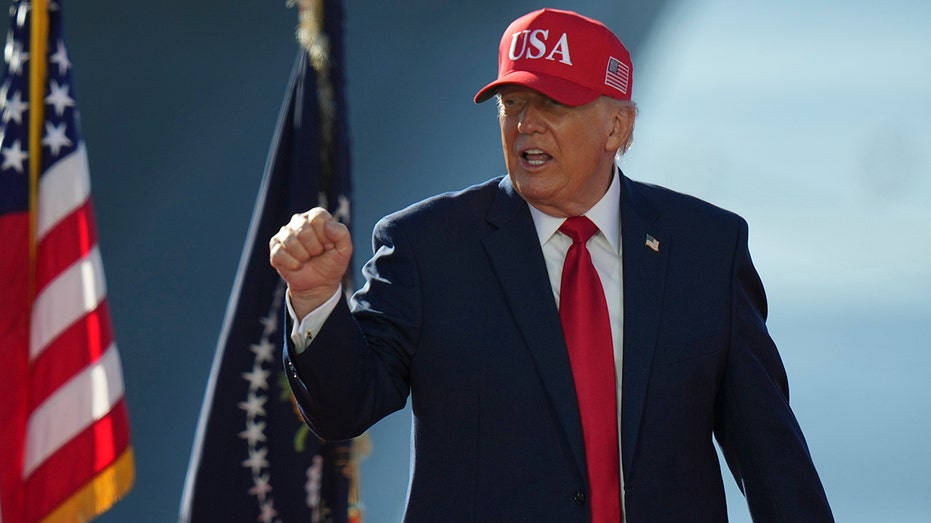 Fox NewsThis piece reads center-right
“alleges the Trump administration directed $20 million”
What's left outUses the higher figure ($20 million) from the Fox News framing in the lead, whereas other outlets cite either the lower $12 million figure or acknowledge both amounts exist without emphasizing one.
Read the original
Placements are generated by an AI model from each article’s own headline and summary, and every quotation above is checked to be a real substring of that article before it is published. How this is done
Prism is free and carries no advertising. Support it if it was useful.