Trump states US will not attack Iran before midterm elections
Reported by
A dot shows how that piece reads — Prism rates articles, not outlets, and shows the words behind each placement below. No dot means the piece isn’t rated. How the ratings work

What happened
The account the coverage agrees on, with contested figures attributed rather than asserted. This is not one of the five framings below — it is the ground they all stand on.
President Trump announced on Thursday that the US will not attack Iran before the November 3 midterm elections. Trump said Washington and Tehran are having 'productive discussions.' The announcement came after media reports suggested the White House had asked the Pentagon to develop strike options for use before the midterms, which had driven crude oil prices up. Oil prices fell immediately after his statement.
How the spectrum reads this story
The same event, summarised as five points on the political spectrum would each tend to frame it. These are generated by an AI model and are a starting point, not the last word.
Left
Trump's announcement exposes how military decisions are subordinated to electoral politics rather than national security. The fact that strikes were even being considered before midterms—and that their timing hinged on political calculation—reveals how the war itself has become a tool for domestic advantage. That oil markets respond to war talk shows how this conflict serves financial interests while Democrats now favor taking back the House suggests voters reject the administration's approach.
No article in this story reads this way. This is how the position tends to frame events like it — written by a model, not quoted from anyone.
Center-left
Trump's decision to pause strikes before the midterms is welcome, but it underscores a troubling reality: military actions are being weighed for their electoral impact rather than decided on strategic grounds alone. While productive talks with Iran offer hope, the initial willingness to consider strikes timed to boost Trump's political standing raises questions about whether this war is being managed in America's best interests or the administration's.
Drawn from 2 articles placed here, below.
Center
Trump's pledge to hold off on new strikes before the elections is a pragmatic move that acknowledges both military and domestic political realities. The announcement that talks with Tehran are productive suggests a potential off-ramp from escalation, which markets responded to positively. However, the revelation that strike options were being developed with the midterms in mind—rather than purely on strategic merit—is troubling and suggests future decisions may similarly be influenced by the political calendar.
Drawn from 6 articles placed here, below.
Center-right
Trump's decision to avoid new strikes before the midterms reflects sound judgment: escalating before elections could backfire politically and economically, as falling support for the conflict and sinking favorability numbers show. The announcement of productive talks with Iran is encouraging and suggests the administration is seeking a path toward de-escalation. Delaying military action until after voters have their say respects democratic processes while keeping options open.
No article in this story reads this way. This is how the position tends to frame events like it — written by a model, not quoted from anyone.
Right
Trump's announcement that talks with Iran are productive and that new strikes will wait until after the midterms demonstrates strategic patience and respect for the electoral process. By refusing to time military action to political needs, he shows principled restraint. The fact that markets reacted calmly suggests confidence in his judgment. This approach prioritizes genuine diplomacy over using the military as a political tool, which strengthens America's long-term position.
No article in this story reads this way. This is how the position tends to frame events like it — written by a model, not quoted from anyone.
Hear two viewpoints debate it
Pick two viewpoints and Prism writes a short, six-turn exchange about this story in each one’s own voice — steel-manned, no winner declared. Each pairing is written once and then saved for every reader. The voices are AI syntheses of a tradition, not real people.
New pairing — Prism will write it now.
How each outlet covered it
Where Prism places each piece — not the outlet in general — with the words from that piece that put it there, and the photograph the outlet chose. Picking a photo is a framing decision too.
- Bloombergnot ratedRead the original
- CBS Newsnot ratedRead the original
- CNBCThis piece reads center-left
“support for the conflict falls”
What's left outIncludes public opinion data about declining support for the war alongside Trump's announcement, contextualizing his decision within domestic political constraints.
Read the original  Daily MailThis piece reads center-left
“weighs huge strike on Iran to show voters bold display”
FramingDescribes Trump as considering strikes explicitly to influence voters before midterms, framing military action as a political display rather than strategic decision.
Read the original- The Japan TimesThis piece reads center
“comes despite Iran escalating attacks on tankers”
Read the original - Al-MonitorThis piece reads center
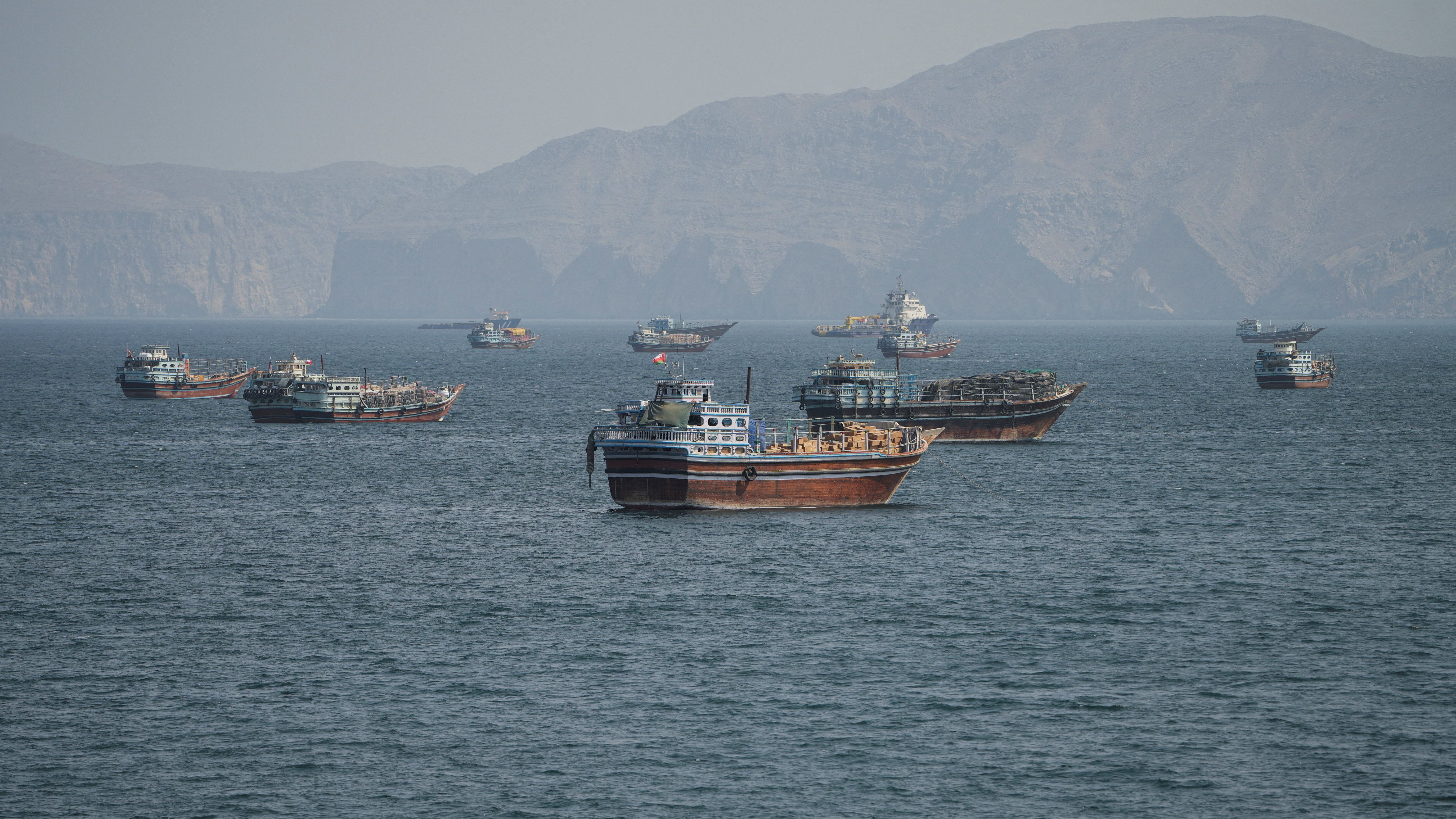
“surge in oil prices on Thursday driven by media reports”
Read the original 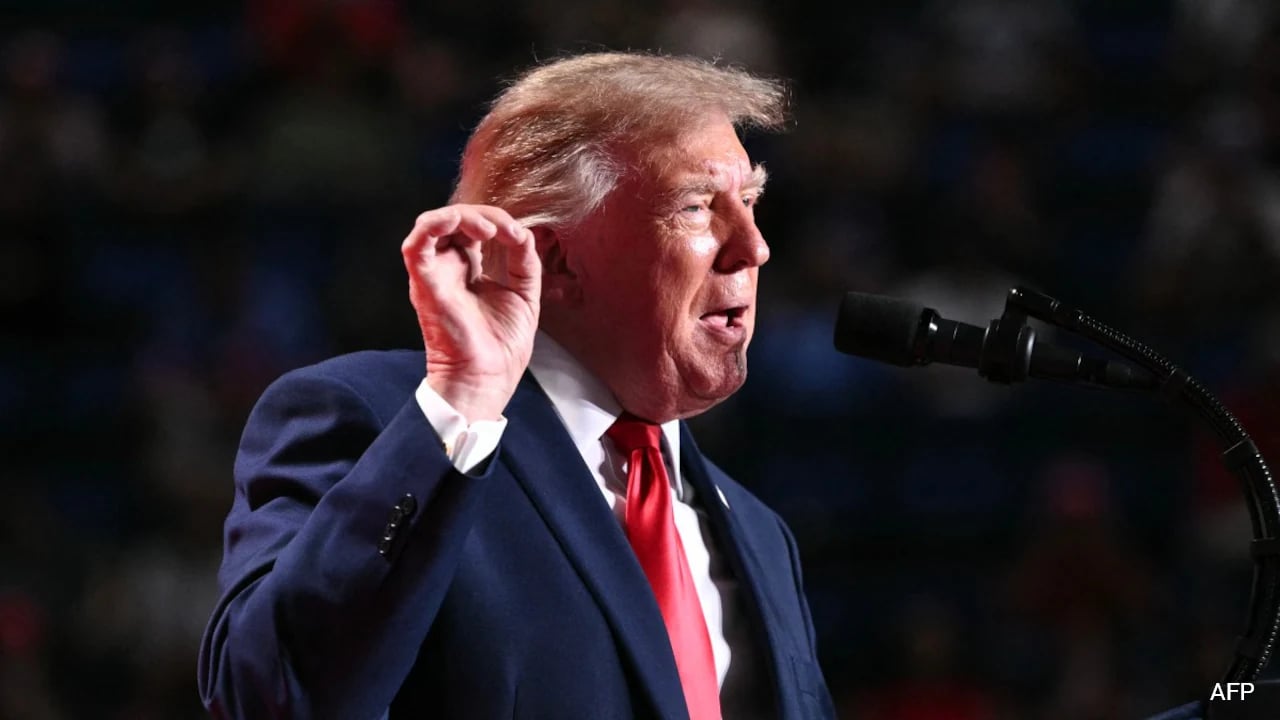
 SemaforThis piece reads center
“Oil markets largely shrugged off US President Donald Trump's pledge”
Read the original Financial TimesThis piece reads center
“Washington and Tehran are having 'productive discussions”
Read the original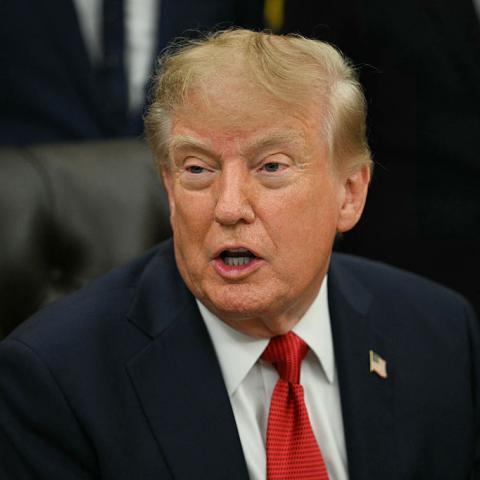 Just the NewsThis piece reads center
“Fighting began in late February, with joint U.S.-Israeli strikes”
What's left outProvides historical detail about the war's start and notes that strikes killed Ayatollah Khamenei, grounding the current announcement in the conflict's origins.
Read the original
Placements are generated by an AI model from each article’s own headline and summary, and every quotation above is checked to be a real substring of that article before it is published. How this is done
Prism is free and carries no advertising. Support it if it was useful.