Trump announces deal with Putin for Russia to supply diesel to US and global markets
Reported by
A dot shows how that piece reads — Prism rates articles, not outlets, and shows the words behind each placement below. No dot means the piece isn’t rated. How the ratings work

What happened
The account the coverage agrees on, with contested figures attributed rather than asserted. This is not one of the five framings below — it is the ground they all stand on.
President Donald Trump announced on October 9 that he has agreed with Russian President Vladimir Putin to supply Russian diesel to U.S. and global markets. Trump said Russia will immediately provide over 300,000 tons, with millions more to follow. The Treasury Department eased sanctions on Russian diesel sales to global markets until April 2027. Trump stated the goal is to lower fuel prices ahead of November midterm elections. Ukrainian President Volodymyr Zelensky condemned the deal, calling it an investment in prolonging the war and a gift to Putin.
How the spectrum reads this story
The same event, summarised as five points on the political spectrum would each tend to frame it. These are generated by an AI model and are a starting point, not the last word.
Left
Trump has betrayed Ukraine and abandoned years of coordinated Western pressure on Russia's economy in service of a short-term political gambit. By lifting sanctions on Russian diesel weeks before the midterms, he is funneling money directly to fund Putin's invasion while claiming to address fuel prices—a problem his own policies created. This reverses hard-won economic leverage that was working and signals to autocrats everywhere that the U.S. cannot be relied upon as an ally. The deal prioritizes domestic politics over international solidarity and the survival of a democracy under assault.
Drawn from 1 article placed here, below.
Center-left
Trump's decision to ease sanctions on Russian diesel and strike a deal with Putin is reckless and undermines both Ukraine and NATO. While fuel prices matter to voters, this move hands Putin financial resources he can use to wage war while signaling weakness to U.S. allies who have sacrificed to maintain sanctions. The timing—just before midterms—suggests political calculation over sound foreign policy. Any short-term price relief comes at the cost of long-term credibility and the strategic position that collective Western sanctions had established against Russian aggression.
Drawn from 6 articles placed here, below.
Center
The deal reflects a genuine tension between competing priorities: genuinely high fuel prices hurt American households and could affect midterm results, but easing pressure on Russia while it wages war in Ukraine creates serious alliance problems and strategic risks. Trump's framing that lower diesel prices justify sanctions relief oversimplifies the calculation. A middle path might have involved negotiating with allies on targeted relief or exploring other supply sources rather than unilateral action that divides the West. The approach prioritizes immediate economic gain over longer-term institutional relationships and burden-sharing with partners.
Drawn from 10 articles placed here, below.
Center-right
High fuel prices are a genuine economic problem that affects American workers and businesses, and Trump is right to seek solutions. However, the unilateral approach and the optics of a deal struck directly with Putin weeks before elections invite legitimate criticism that this was politically timed rather than strategically necessary. A better approach would have involved coordinating with allies or exploring non-Russian sources first. While energy markets need Russian supply eventually, moving this quickly and alone undercuts the diplomatic standing and allied unity that make sanctions effective as a policy tool.
Drawn from 2 articles placed here, below.
Right
Trump is correct that diesel prices harm American farmers, truckers and working people, and releasing Russian supply is a practical step to address this real economic pain. The previous administration's ideology-driven approach to sanctions ignored the cost to ordinary Americans. However, the unilateral execution and the timing create unnecessary controversy that weakens the policy's defensibility. A more careful rollout coordinated with key allies—explaining that energy markets require Russian supply, not as capitulation but as economic reality—would have been stronger. The core decision to prioritize American pocketbooks over performative gestures to Ukraine is sound.
No article in this story reads this way. This is how the position tends to frame events like it — written by a model, not quoted from anyone.
Hear two viewpoints debate it
Pick two viewpoints and Prism writes a short, six-turn exchange about this story in each one’s own voice — steel-manned, no winner declared. Each pairing is written once and then saved for every reader. The voices are AI syntheses of a tradition, not real people.
New pairing — Prism will write it now.
How each outlet covered it
Where Prism places each piece — not the outlet in general — with the words from that piece that put it there, and the photograph the outlet chose. Picking a photo is a framing decision too.
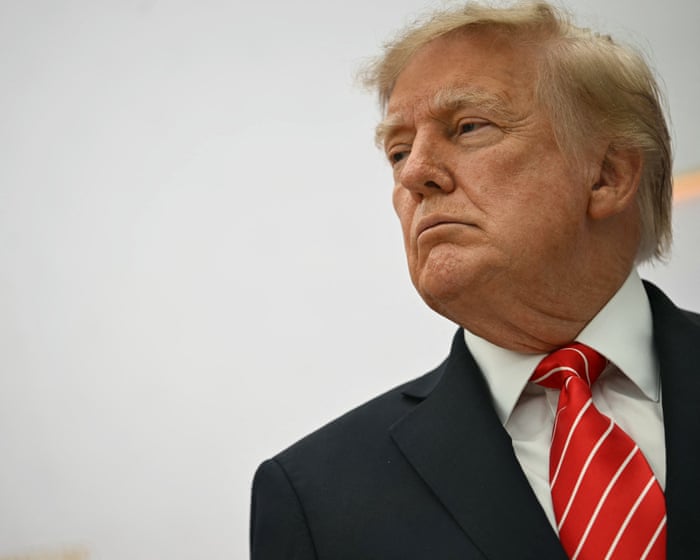 The Guardiannot ratedRead the original
 The New RepublicThis piece reads left
“Putin Cons Trump Into Making Massive Oil Deal”
Read the original- BBCThis piece reads center-left
“gift to Putin”
FramingUses Zelensky's characterization directly in the headline, framing the deal through its critics' language rather than Trump's justification.
Read the original 
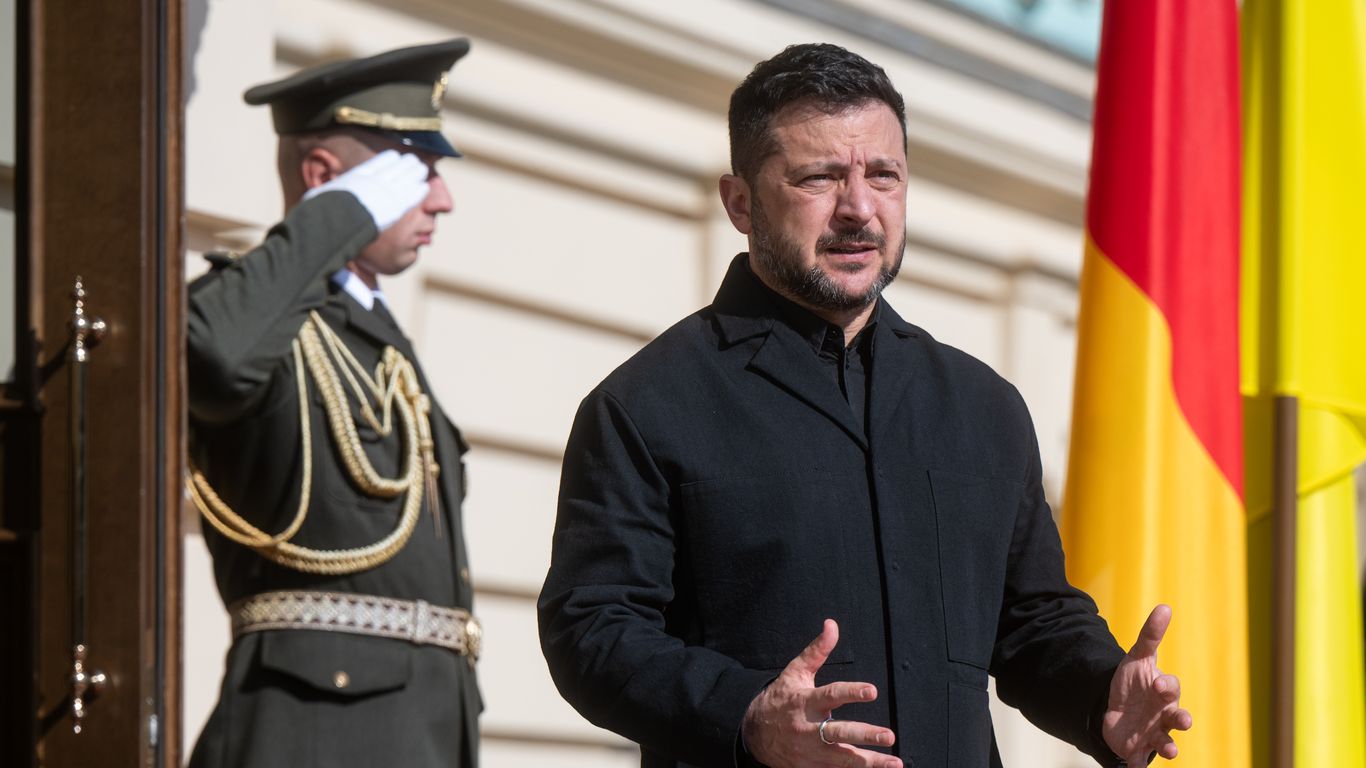

- Meduzanot ratedRead the original

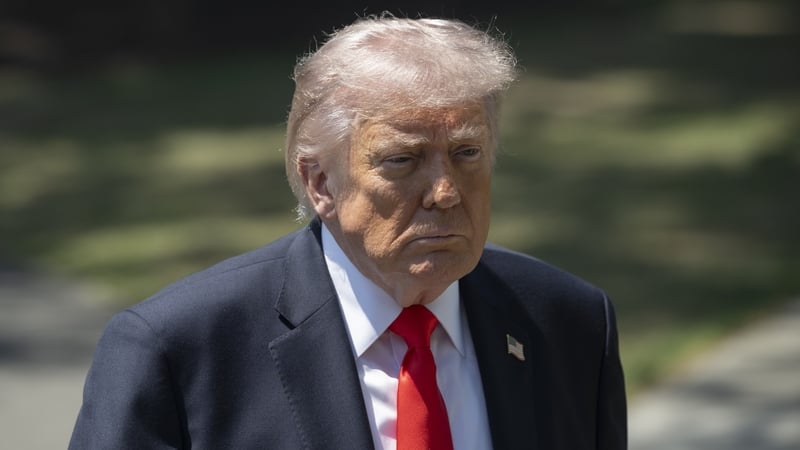 RTÉnot ratedRead the original
 Financial TimesThis piece reads center
“weeks before critical midterm elections”
FramingEmphasizes the electoral timing without editorial judgment, leaving readers to weigh the political calculation themselves.
Read the original Foreign Policynot ratedRead the original
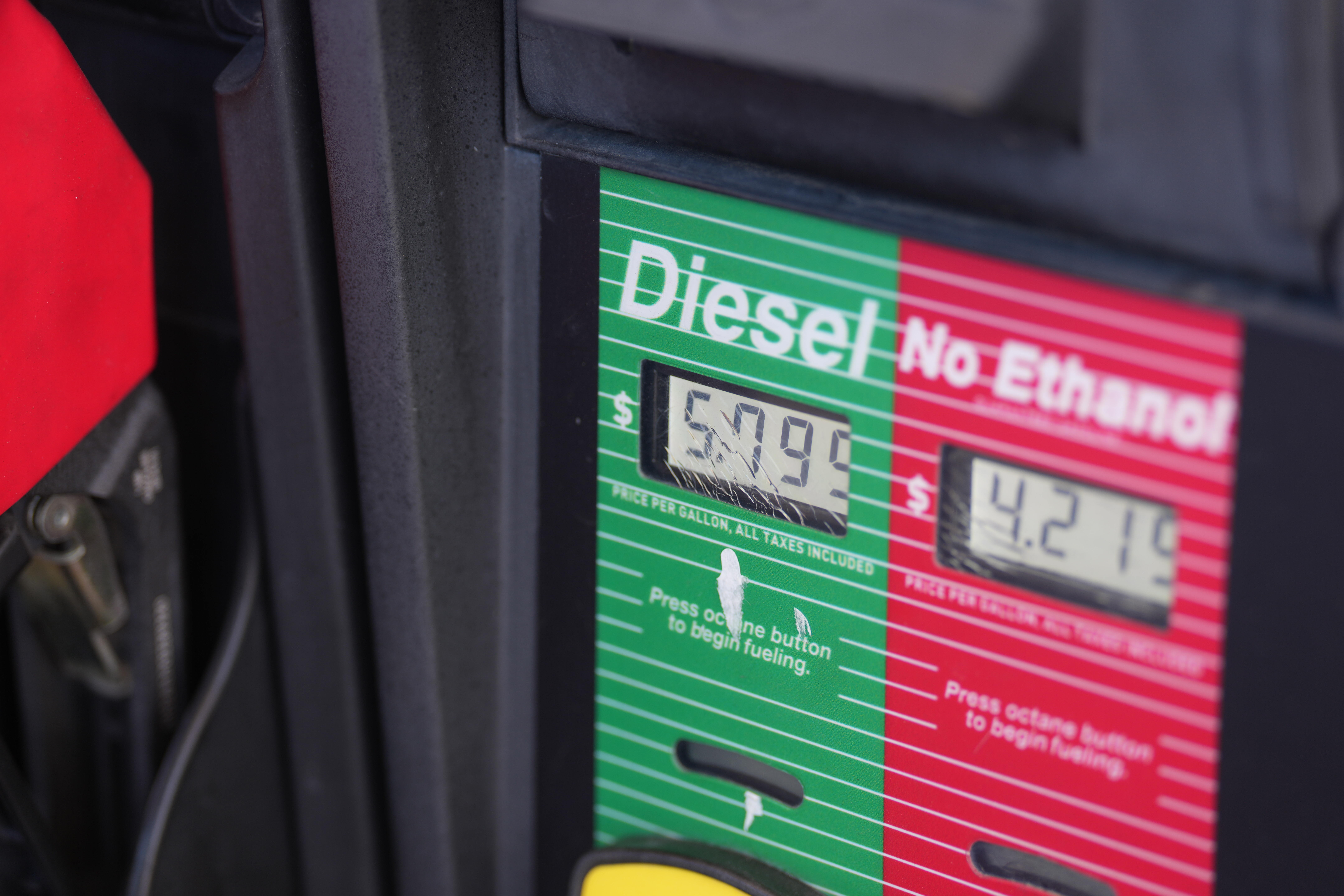 NPRThis piece reads center
“relaxing years of U.S. pressure on Moscow”
Word choiceUses neutral language ('relaxing pressure') rather than loaded terms; attributes the shift to Trump's stated goal of lowering prices.
Read the original
- Washington PostThis piece reads center
“aligns the U.S. with Russia and against Ukraine”
FramingAdds context that the supply volume is limited, qualifying claims about its economic impact.
Read the original  Straight Arrow NewsThis piece reads center
“Russia agreed to give diesel fuel to US”
Read the original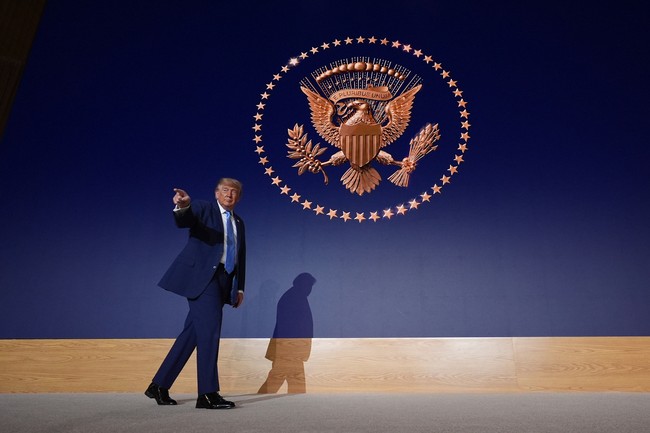 PJ MediaThis piece reads center-right
“Fuel Costs Squeeze Farmers and Truckers”
FramingLeads with Trump's stated rationale—economic relief for affected workers—rather than the controversy over sanctions.
Read the original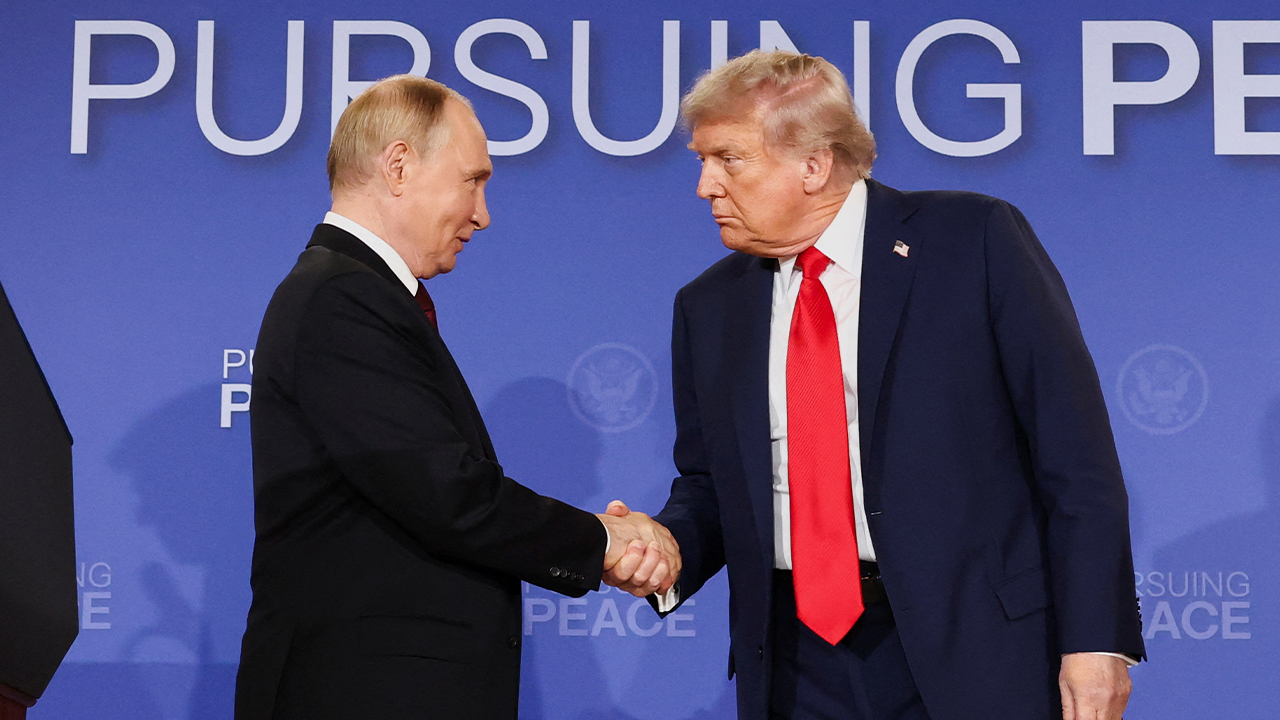 Fox BusinessThis piece reads center-right
“highly successful discussion”
Word choiceQuotes Trump's own characterization of the talks directly, centering his framing of the agreement.
Read the original
Placements are generated by an AI model from each article’s own headline and summary, and every quotation above is checked to be a real substring of that article before it is published. How this is done
Prism is free and carries no advertising. Support it if it was useful.