FlyDubai pilot Smit Machchhar recounts cockpit attack during attempted hijacking on Israel-bound flight
Reported by
A dot shows how that piece reads — Prism rates articles, not outlets, and shows the words behind each placement below. No dot means the piece isn’t rated. How the ratings work
CNN
What happened
The account the coverage agrees on, with contested figures attributed rather than asserted. This is not one of the five framings below — it is the ground they all stand on.
On Wednesday, Flydubai flight FZ 1073 from Dubai to Tel Aviv experienced a cockpit attack when the Omani co-pilot stabbed Indian Captain Smit Machchhar and apparently attempted to crash the aircraft. The plane descended 17,000 feet in under two minutes. Machchhar, despite being injured, fought to open the cockpit door, allowing passengers and crew to enter and regain control. The flight made an emergency landing with 182 people aboard. In his first public remarks on Friday during a video call with Indian Prime Minister Narendra Modi, Machchhar said he could not "let everybody else die." The co-pilot has been returned to the UAE, where authorities are investigating the incident for possible terrorist activity or intent.
How the spectrum reads this story
The same event, summarised as five points on the political spectrum would each tend to frame it. These are generated by an AI model and are a starting point, not the last word.
Left
This incident exposes systemic failures in aviation security and crew vetting that allow potentially radicalized individuals access to cockpit controls. The attack underscores how workplace hierarchies and isolation in high-stress environments can enable violence, and raises questions about what warning signs were missed. The focus on individual heroism obscures institutional responsibility—airlines and regulators must implement structural safeguards: two-person cockpit entry rules, psychological screening, and real-time monitoring. The captain's bravery should not substitute for prevention systems that make such heroics unnecessary.
Center-left
This was a serious security breach that nearly cost hundreds of lives. While Captain Machchhar's actions were genuinely heroic and deserve recognition, the incident demands a thorough investigation into how screening and oversight procedures failed to catch concerning behaviour. Airlines and aviation authorities need to strengthen crew vetting, mental health support, and in-cockpit safety protocols. The attack also highlights tensions in the region; authorities' investigation into possible terrorist intent is appropriate. Enhanced security measures should balance passenger safety with practical operations.
Center
A dangerous incident was averted through quick thinking and passenger intervention. The details matter: what motivated the co-pilot, whether warning signs existed, and what specific security gaps allowed this to happen. The heroism narrative is compelling but incomplete—we need facts about the investigation before drawing conclusions about systemic failures or successes. Both enhanced security and crew welfare deserve attention, and neither should be sacrificed for the other. The UAE's investigation should be transparent, and aviation authorities across countries should review whether current protocols are adequate without being impractical.
Center-right
Captain Machchhar's courage and decisive action—not institutional interventions—saved this flight. The incident demonstrates that prepared, alert personnel and willingness to fight back matter more than additional regulations. While crew screening is reasonable, the focus should be on operational readiness and clear rules of engagement rather than expanding bureaucratic oversight. The co-pilot's actions represent individual criminal behaviour; the response should be thorough investigation and prosecution, not broader restrictions on pilots or additional layers of cockpit monitoring that slow operations and cost money without proven safety gains.
Right
This attack illustrates the reality of modern security threats and validates the need for strong vetting and decisive action rather than complacency. Captain Machchhar succeeded because he fought back and took personal responsibility—he did not wait for external systems to save him. Over-regulation of aviation has real costs; the answer is not more rules but better judgment in hiring, clearance decisions, and empowering crews to act. The investigation must determine whether the co-pilot had ideological connections or warning signs that existing processes should have caught, and whether political or diplomatic pressure compromised screening.
Hear two viewpoints debate it
Pick two viewpoints and Prism writes a short, six-turn exchange about this story in each one’s own voice — steel-manned, no winner declared. Each pairing is written once and then saved for every reader. The voices are AI syntheses of a tradition, not real people.
New pairing — Prism will write it now.
How each outlet covered it
Where Prism places each piece — not the outlet in general — with the words from that piece that put it there, and the photograph the outlet chose. Picking a photo is a framing decision too.
 CNNnot rated
Word choiceUses "savage attack" to describe the stabbing, which carries stronger emotional weight than the more neutral "stabbed" or "attacked" language other outlets use.
Read the original- Stuffnot ratedRead the original
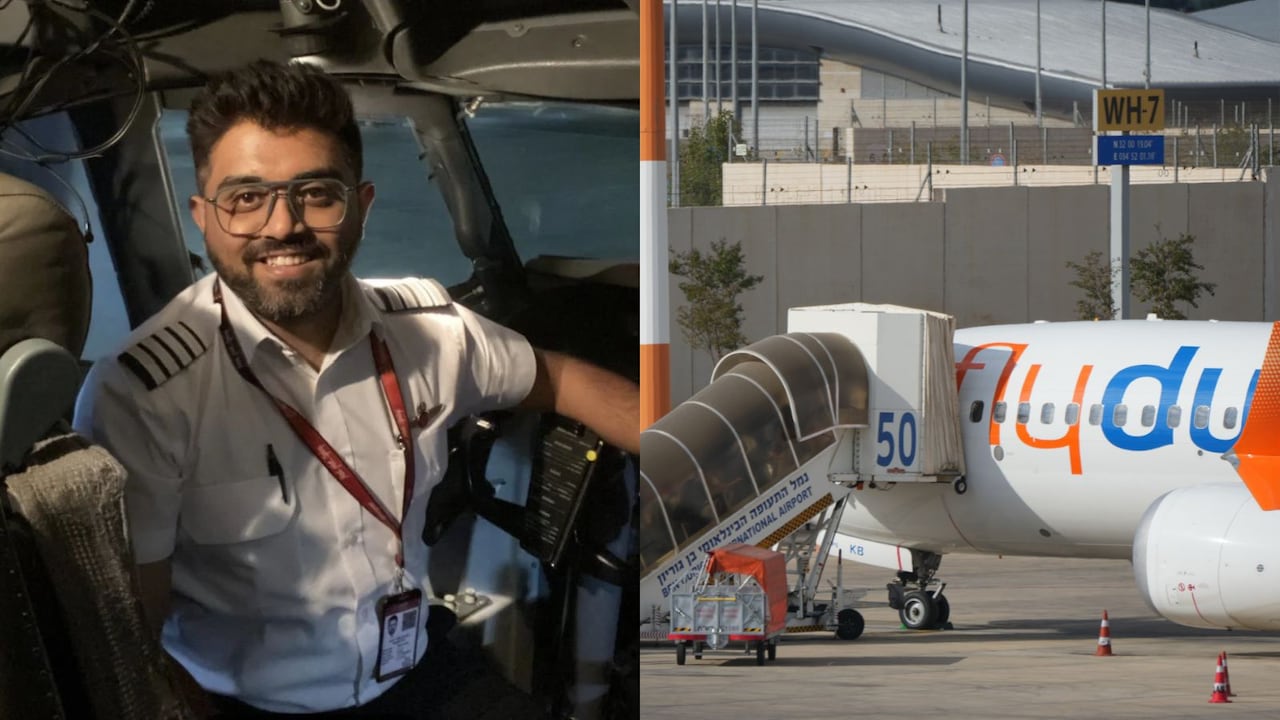 NDTVnot ratedRead the original
- Al JazeeraThis piece reads center-left
“12 minutes of madness: How Flydubai pilot, passengers saved plane midfall”
Word choiceFrames the incident as "madness" rather than attack or hijacking, and emphasizes collaborative rescue (pilot and passengers together) where some outlets centre the pilot alone.
Read the original 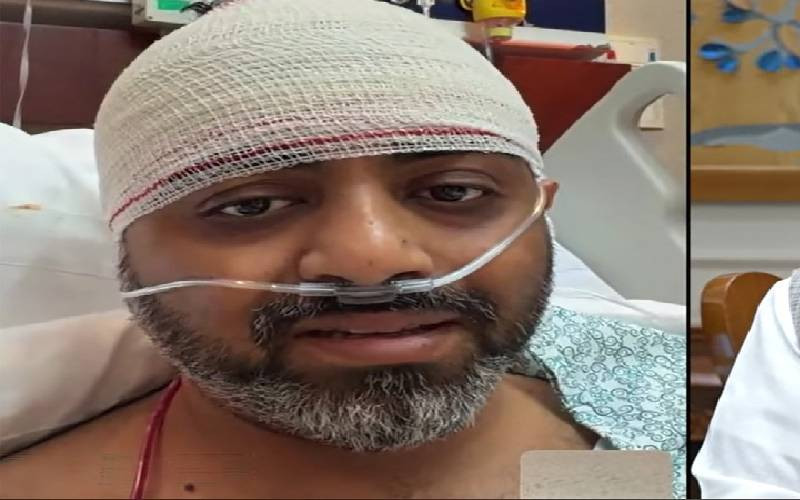 The Standardnot ratedRead the original
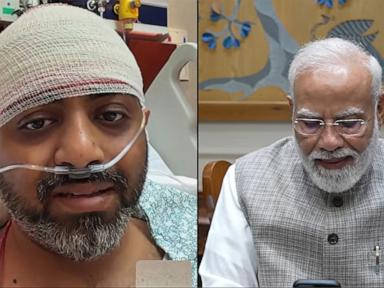 ABC NewsThis piece reads center
“harrowing moments when he was attacked by his co-pilot”
Read the original The HillThis piece reads center
“recounted how he fought to save the 182 people on board”
Read the original
 Straight Arrow Newsnot rated
Word choicePlaces "hero" in quotation marks, creating distance from the characterization that other outlets apply straightforwardly.
Read the original
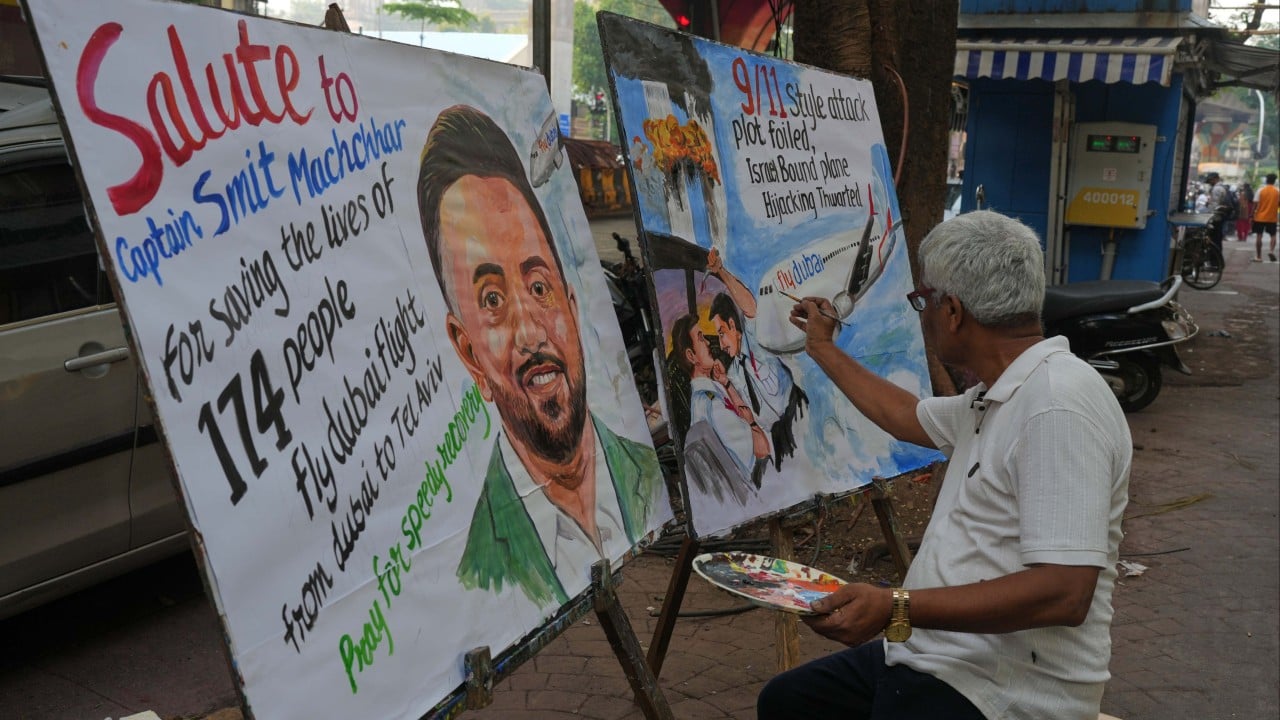 South China Morning PostThis piece reads center
“Indian pilot hailed as hero recalls Flydubai cockpit attack”
Read the original- The Straits TimesThis piece reads center
“managed to open cockpit door despite injuries”
Read the original 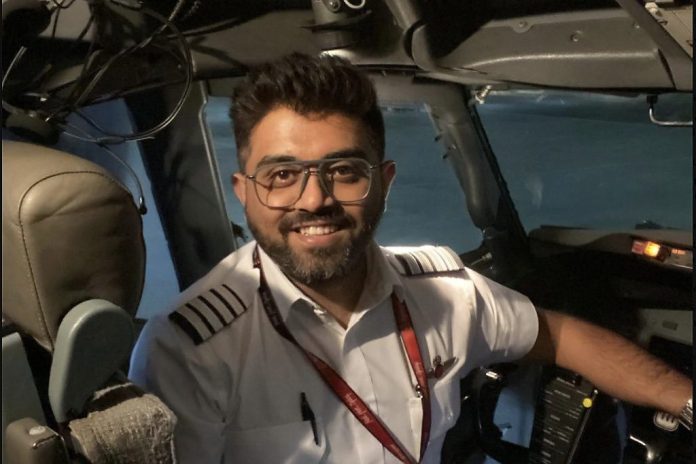 Washington ExaminerThis piece reads center-right
“lifesaving moment he opened cockpit door”
Read the original- The Jerusalem PostThis piece reads center-right
“dangerous terrorist attack”
FramingReports the UAE president's advisor calling it a "terrorist attack" in the headline, attributing the characterization; other outlets note investigation into possible terrorist intent without asserting the label.
Read the original 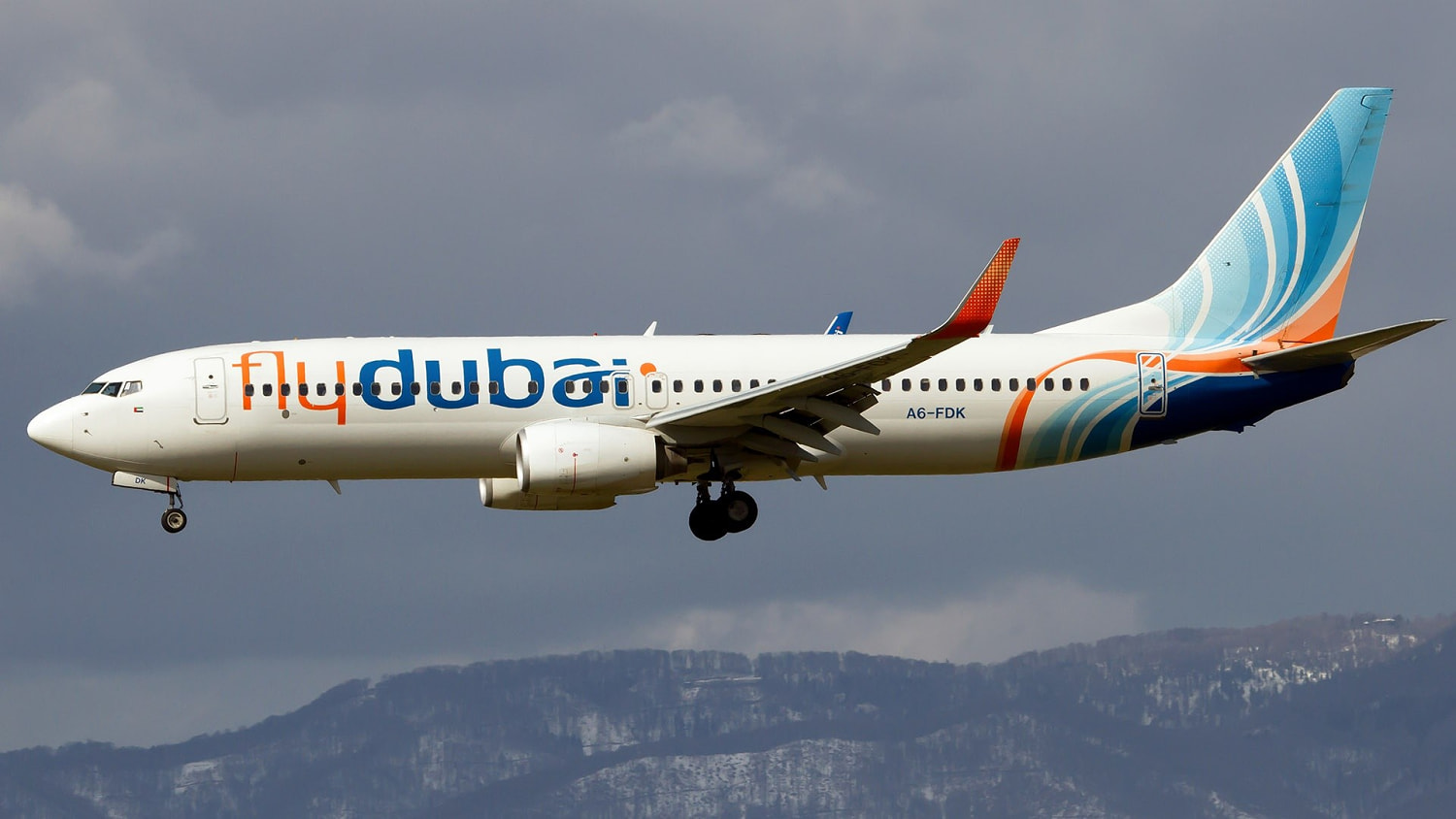 NBC NewsThis piece reads center-right
“desperate decision to fight back and open the cockpit door that saved lives”
Read the original Daily MailThis piece reads right
“Hero Flydubai pilot reveals battle to open cockpit door while being stabbed”
FramingPlaces 'hijacker' in scare quotes, suggesting uncertainty about the characterization, whereas other outlets state the suspected hijacking without punctuation marks signalling doubt.
Read the original


Placements are generated by an AI model from each article’s own headline and summary, and every quotation above is checked to be a real substring of that article before it is published. How this is done
Prism is free and carries no advertising. Support it if it was useful.