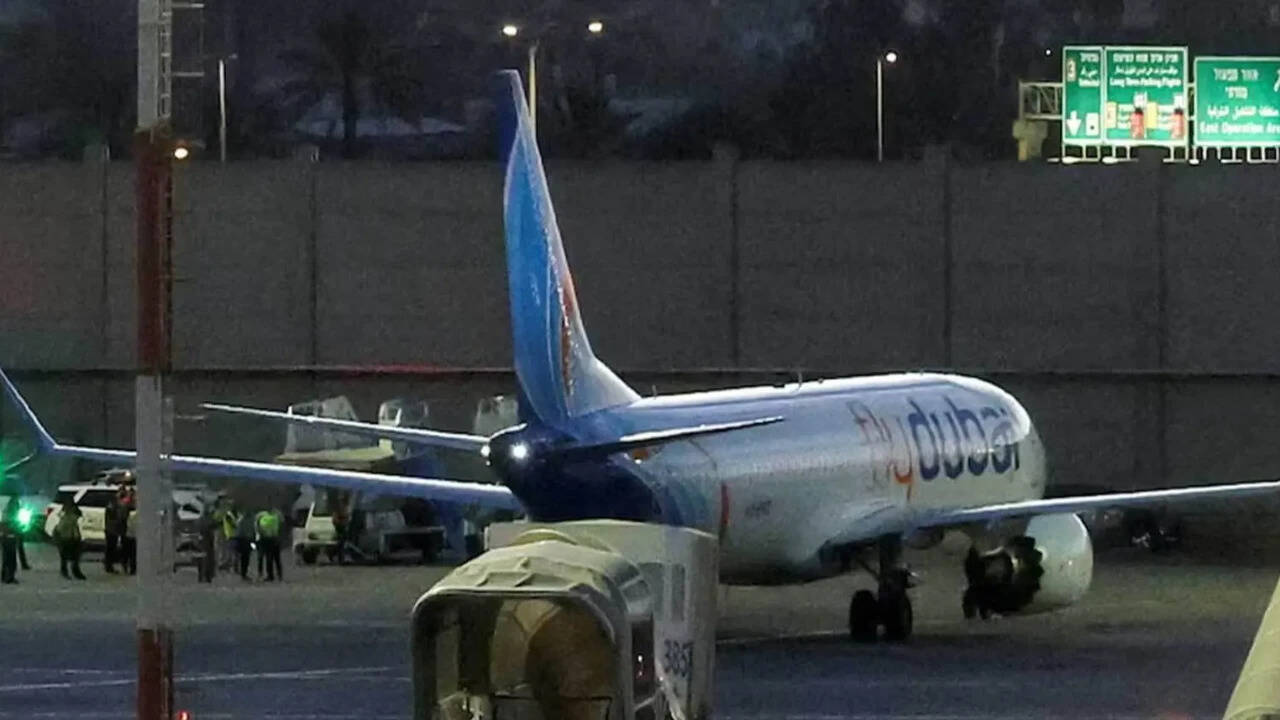
FlyDubai hijacking attempt by co-pilot on Israel-bound flight
Reported by
A dot shows how that piece reads — Prism rates articles, not outlets, and shows the words behind each placement below. No dot means the piece isn’t rated. How the ratings work
What happened
The account the coverage agrees on, with contested figures attributed rather than asserted. This is not one of the five framings below — it is the ground they all stand on.
A Flydubai flight from Dubai to Israel experienced a cockpit assault on Wednesday. An Omani co-pilot allegedly stabbed the Indian captain, Smit Machchhar, and assaulted him before passengers and crew, including Israeli passenger Tzvika Manes, restrained the attacker and secured the aircraft. The plane issued a mayday call; Saudi Arabia and Jordan initially denied landing clearance before the flight landed safely. Israel's prime minister said the co-pilot had undergone "Islamist radical indoctrination." Investigators are examining possible links to Iran and terrorist activity. The co-pilot was handed to UAE authorities by Saudi Arabia. US President Trump said Thursday that Tehran was "likely involved" and that Iran would be "hit very hard" if responsible.
How the spectrum reads this story
The same event, summarised as five points on the political spectrum would each tend to frame it. These are generated by an AI model and are a starting point, not the last word.
Left
This incident reflects real security vulnerabilities in aviation and the broader consequences of geopolitical tensions in the Middle East. While details remain unclear, the rush to blame Iran without evidence is concerning — Trump's threat of retaliation risks escalating conflict before facts are established. The focus should be on understanding what radicalized this individual and whether systemic failures in airline security, pilot vetting, or regional instability played a role. We need de-escalation and genuine investigation, not military posturing.
Center-left
A serious security breach on a commercial flight was averted through the bravery of the captain and passengers who acted quickly. Investigators should thoroughly examine the co-pilot's background and any external connections. While concerns about potential state involvement warrant investigation, attributing responsibility to Iran without conclusive evidence is premature. The incident highlights the need for stronger cockpit security protocols and better screening of flight crew across the aviation industry.
Center
This was a genuine emergency that crew and passengers handled responsibly, preventing a catastrophe. The facts — an assault in the cockpit, a mayday call, initial landing denials, and the attacker's restraint — are clear. What remains genuinely uncertain is whether external actors encouraged or directed this person. Trump's conditional threat ("if linked") acknowledges that uncertainty, but military rhetoric before investigation is complete carries real risks. The focus should be on the security systems that worked (restraint by passengers and crew) and those that didn't (initial landing denials), alongside a careful, evidence-based investigation.
Center-right
The swift action by the captain, crew, and Israeli passengers prevented a potential mass casualty event and demonstrates the importance of trained, alert personnel in crisis situations. The attack's possible connection to Iran reflects the genuine threat posed by hostile state actors in the region. While investigators must establish facts before attribution, Iran's history of supporting militant activity and destabilization makes scrutiny appropriate. Improved cockpit security, better crew vetting, and credible deterrence against state-sponsored threats are necessary responses.
Right
Israeli citizens and the aircraft captain showed exceptional courage stopping an armed attack that could have killed hundreds. The rapid assessment that this may involve Iranian instigation is justified given Tehran's pattern of regional aggression and support for extremism. The Islamic Republic has repeatedly targeted Israeli aviation and Western interests; this fits that pattern. Strong deterrence — including Trump's clear statement that retaliation will be severe — is the language Tehran understands. We must maintain strong security postures and not hesitate to hold hostile states accountable.
Hear two viewpoints debate it
Pick two viewpoints and Prism writes a short, six-turn exchange about this story in each one’s own voice — steel-manned, no winner declared. Each pairing is written once and then saved for every reader. The voices are AI syntheses of a tradition, not real people.
New pairing — Prism will write it now.
How each outlet covered it
Where Prism places each piece — not the outlet in general — with the words from that piece that put it there, and the photograph the outlet chose. Picking a photo is a framing decision too.
- The Straits TimesThis piece reads center
“Trump vows to hit Iran 'very hard' if linked to flydubai attack”
Read the original - The Jerusalem PostThis piece reads center
“recounts fight to survive flydubai attempted hijacking”
FramingLeads with a direct quote that conveys the severity and disorientation of the moment, emphasizing eyewitness testimony and human drama over the investigative or political angles others stress.
Read the original - Al-MonitorThis piece reads center
“Tehran was likely involved in an attack by a pilot on a flydubai flight”
Read the original  NDTVThis piece reads center
“Trump Vows To Hit Iran "Very Hard" If Tehran Behind flydubai Incident”
Read the original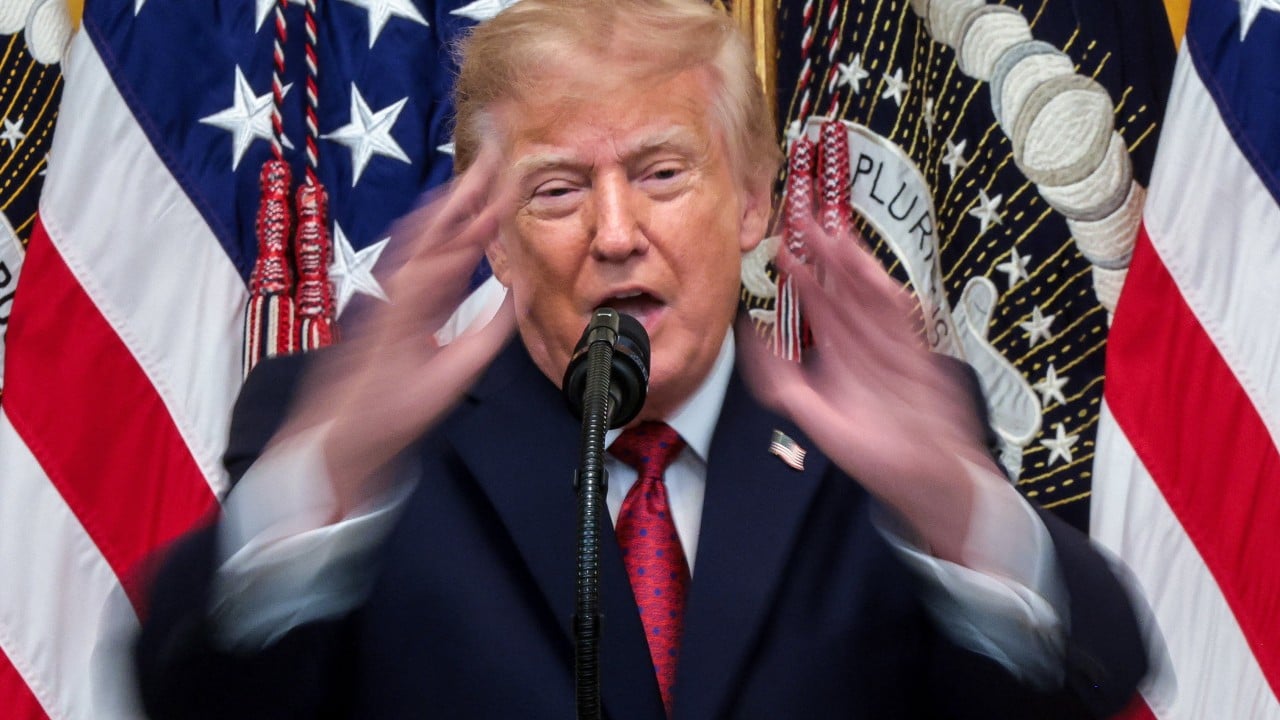 South China Morning PostThis piece reads center
“Tehran was likely to be involved in an attack by a pilot on a flydubai flight”
Read the original- Taipei TimesThis piece reads center
“Flydubai copilot underwent Islamist radicalization: Israel”
Read the original 
- The Times of IndiaThis piece reads center
“Saudi hands Omani co-pilot in Flydubai flight incident to UAE”
Read the original  VanguardThis piece reads center
“Tehran was likely involved in an attack by a pilot on a flydubai flight”
Read the original New York Postnot rated
What's left outUniquely focuses on the countries' initial refusal of landing clearance as a separate failure, framing a procedural breakdown alongside the attack itself.
Read the original Fox NewsThis piece reads center-right
“FlyDubai hijacking attempt was 'NOT OUR RADAR”
FramingFrames it as a domestic U.S. security concern and border security context rather than a Middle Eastern incident, linking it to migrant caravans and national security in the headline.
Read the original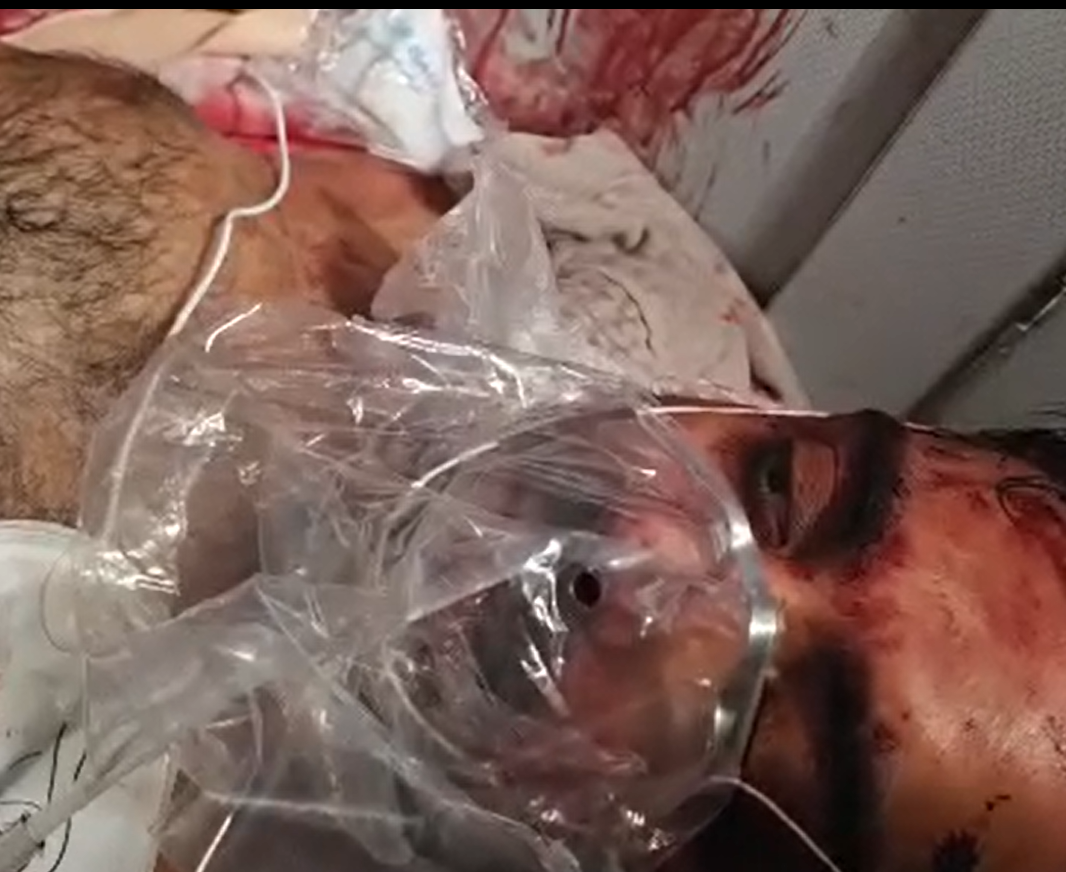 Israel HayomThis piece reads center-right
“Indian pilot praised as hero after being stabbed on Israel-bound flight”
FramingNames the captain by name (Smit Machchhar) and nationality, and emphasizes his heroism and the award from Gujarat state, personalizing the story around the victim rather than the attacker.
Read the original- Toronto Sunnot rated
FramingLeads with the investigative angle and Iran connection rather than the incident itself, treating the alleged motive as the headline fact.
Read the original

Placements are generated by an AI model from each article’s own headline and summary, and every quotation above is checked to be a real substring of that article before it is published. How this is done
Prism is free and carries no advertising. Support it if it was useful.