Cornell University appoints former acting attorney general to review sexual assault allegations
Reported by
A dot shows how that piece reads — Prism rates articles, not outlets, and shows the words behind each placement below. No dot means the piece isn’t rated. How the ratings work
What happened
The account the coverage agrees on, with contested figures attributed rather than asserted. This is not one of the five framings below — it is the ground they all stand on.
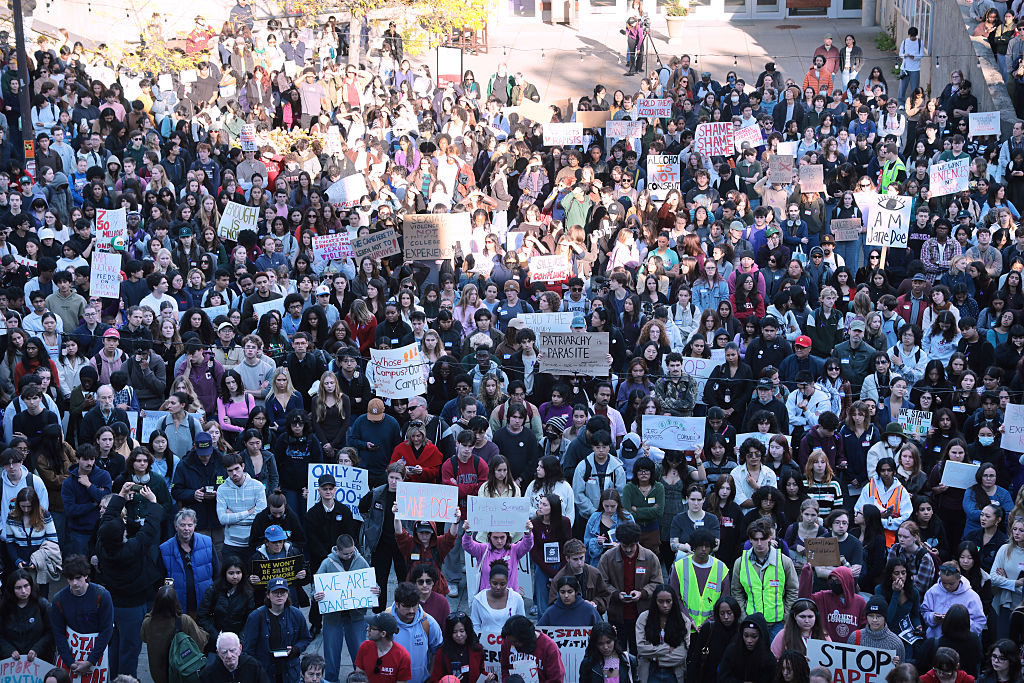
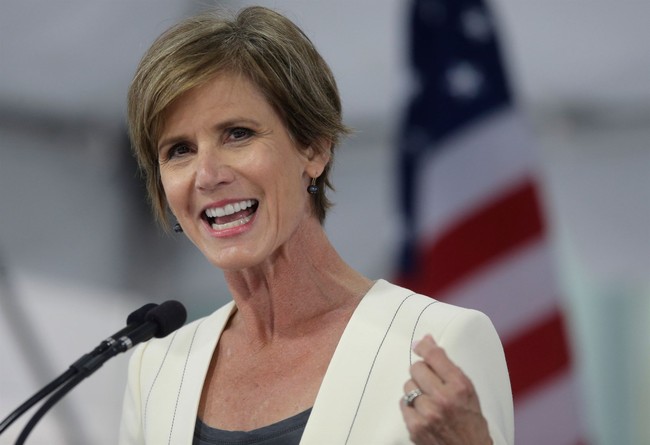
Cornell University named Sally Yates, former acting U.S. attorney general, to lead an independent review of how the school handled rape allegations involving a student. The case centers on an alleged gang rape at the now-defunct Chi Phi fraternity in October 2024. According to the plaintiff's lawyer, members of the chapter held meetings to discuss covering up the assault. Student protests and a possible faculty no-confidence vote are pressuring the university to explain its response to the allegations.
How the spectrum reads this story
The same event, summarised as five points on the political spectrum would each tend to frame it. These are generated by an AI model and are a starting point, not the last word.
Left
Cornell's appointment of an external investigator is a necessary but insufficient response to a systemic failure: the university prioritized its reputation over survivor safety, enabling alleged predators to organize a cover-up while institutional processes moved slowly. Real accountability requires examining how campus power structures—fraternities, administration, male-dominated spaces—allowed this to happen and what structural changes prevent it recurring. External review is welcome, but students and faculty are right to demand the university itself answer for enabling the alleged assault and its cover-up.
Center-left
Cornell's handling of these serious allegations appears inadequate, prompting justified scrutiny from students and faculty. Appointing a respected independent investigator like Sally Yates is a constructive step toward transparency and accountability. The case raises legitimate questions about how universities respond to sexual assault reports and whether institutional processes protect survivors. Meaningful reform should include clearer reporting procedures, stronger oversight of fraternities, and ensuring survivors are supported throughout investigations.
Center
Cornell faced a difficult situation: how to investigate grave allegations while maintaining fairness to the accused and protecting the university's ability to respond credibly. Appointing an experienced outside prosecutor suggests the university recognized it needed independent expertise and public confidence. The broader tension—between survivor support, due process, and institutional credibility—has no easy answer. Both the investigative process and the underlying question of consent in situations involving alcohol require careful, evidence-based handling.
Center-right
Cornell appropriately brought in an experienced federal prosecutor to conduct an independent review, signaling seriousness about investigating these allegations fairly and thoroughly. External investigation protects both survivors and the accused from institutional bias. However, the case also highlights the need for clearer standards around consent and alcohol—current laws contain ambiguities that make adjudication difficult. Universities should enforce existing rules consistently rather than expanding definitions retroactively based on shifting social standards.
Right
Cornell's appointment of Sally Yates, a political figure from the previous administration, raises questions about whether this review will be genuinely independent or shaped by ideological commitments. While rape allegations are grave, due process and clear evidentiary standards matter; the rush to judgment based on incomplete information can destroy lives. Universities have moved toward presuming guilt rather than conducting impartial investigations. Any review should focus on facts and evidence, not on satisfying activist demands for predetermined outcomes.
Hear two viewpoints debate it
Pick two viewpoints and Prism writes a short, six-turn exchange about this story in each one’s own voice — steel-manned, no winner declared. Each pairing is written once and then saved for every reader. The voices are AI syntheses of a tradition, not real people.
New pairing — Prism will write it now.
How each outlet covered it
Where Prism places each piece — not the outlet in general — with the words from that piece that put it there, and the photograph the outlet chose. Picking a photo is a framing decision too.
 Daily MailThis piece reads center-left
“alleged gang rape in October 2024”
FramingFrames the meetings as deliberately coordinated cover-up activity based on the plaintiff's lawyer's characterization, whereas other outlets report the university's response or investigative appointment without confirming the cover-up claim.
Read the original BBCThis piece reads center-left
“expose 'loopholes' in consent laws”
FramingShifts focus from the specific Cornell case to broader questions about state consent laws and legal standards, treating the allegation as a vehicle for policy analysis rather than reporting the event itself.
Read the original
 Hot AirThis piece reads center-right
“Lend Some Integrity to the Rape Claim Investigation”
Word choiceThe phrasing 'rape claim' (rather than 'rape allegation') and 'lend some integrity' (rather than 'lead' or 'oversee') conveys skepticism about both the allegations and the investigator's impartiality in the headline framing.
Read the original
Placements are generated by an AI model from each article’s own headline and summary, and every quotation above is checked to be a real substring of that article before it is published. How this is done
Prism is free and carries no advertising. Support it if it was useful.