New York governor appoints special prosecutor in Cornell University gang rape investigation
Reported by
A dot shows how that piece reads — Prism rates articles, not outlets, and shows the words behind each placement below. No dot means the piece isn’t rated. How the ratings work
ABC News
What happened
The account the coverage agrees on, with contested figures attributed rather than asserted. This is not one of the five framings below — it is the ground they all stand on.
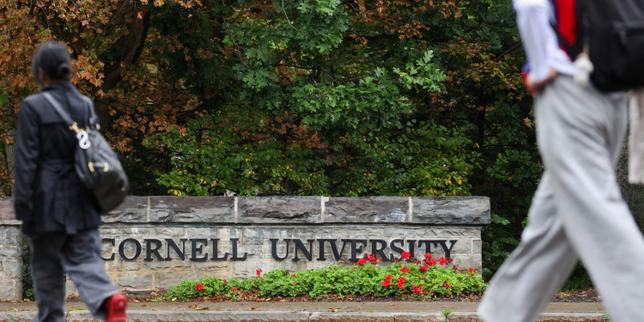
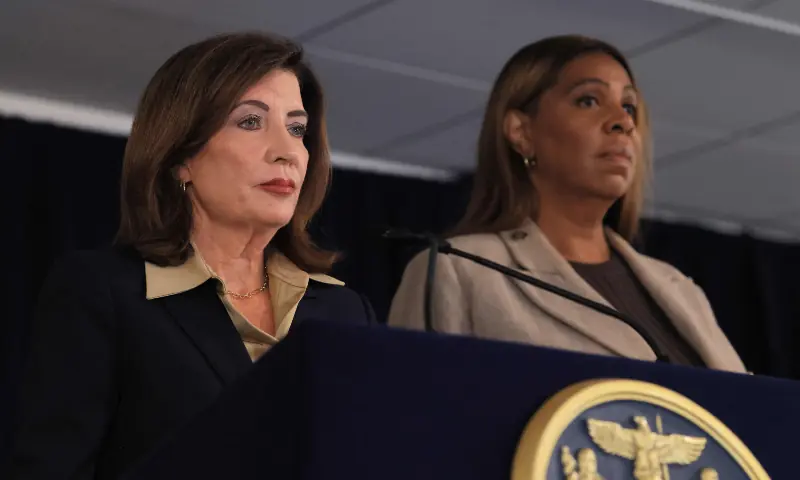
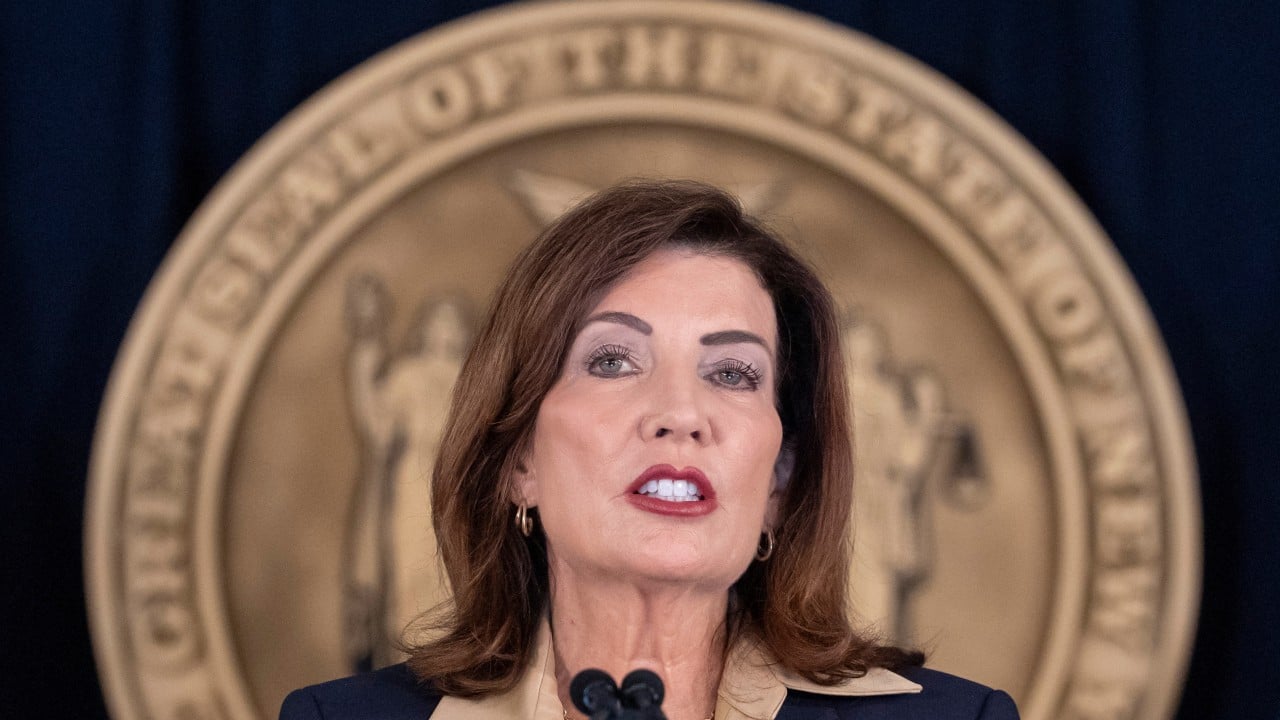
New York Governor Kathy Hochul announced plans to change state rape law and appointed Attorney General Letitia James as special prosecutor to investigate an alleged 2024 gang rape of a woman identified as Jane Doe at Cornell University. The case gained attention after prosecutors declined to file charges, citing a state law provision that allows defendants to argue victims' voluntary intoxication negates consent. Hochul said she was "deeply disturbed" by police and prosecutor handling. The accuser's attorney told CBS News the investigation was a failure and university police "were in over their heads." President Trump criticized James's appointment, stating people "won't get a fair shake" with her in the role.
How the spectrum reads this story
The same event, summarised as five points on the political spectrum would each tend to frame it. These are generated by an AI model and are a starting point, not the last word.
Left
The Cornell case exposes systemic failures in how institutions handle sexual assault—police mishandled the investigation, prosecutors failed to pursue charges, and university police proved inadequate. The 'voluntary intoxication' loophole is a glaring example of how law itself enables perpetrators while failing victims. Hochul's appointment of James and promise to close the loophole are necessary steps, but they address symptoms, not the deeper problem: universities protecting their reputations over survivors' safety, and legal systems designed to shield accused men. Real accountability requires overhauling how campuses and police treat sexual violence.
Center-left
A serious failure in how authorities handled an alleged gang rape at a major university demands both accountability and legislative reform. Hochul's decision to appoint a special prosecutor shows appropriate responsiveness to public concern. The 'voluntary intoxication' loophole is a genuine legal problem that makes prosecution harder in cases where victims were drinking—a common real-world scenario. Closing it makes sense as policy reform. While the investigation appears to have been mishandled, the focus should be on fixing both the immediate case through the special prosecutor and the underlying law to protect future victims.
Center
This case raises legitimate questions about how police and prosecutors handle sexual assault allegations and whether existing law adequately protects victims. Hochul's response—appointing a special prosecutor and proposing legislative change—uses normal institutional channels. The 'voluntary intoxication' loophole does appear problematic enough to warrant fixing. However, changing a legal doctrine requires care: the provision exists because establishing consent with intoxicated parties raises real legal complexities. The special prosecutor appointment itself has become politicized (Trump's criticism of James), which clouds the focus on the actual case. The appropriate course is thorough investigation and measured legal reform.
Center-right
Hochul's response to this case shows appropriate concern for a serious allegation, but the politicization is troubling. Appointing Letitia James—who has been adversarial toward Trump—invites questions about whether the special prosecutor role will be handled impartially or become another vehicle for partisan litigation. The 'voluntary intoxication' provision in law exists for a reason: establishing guilt requires clarity on consent, and intoxication complicates that question. Changing it warrants caution and thorough debate, not a rushed legislative response to one case. The focus should remain on the specific investigation and whether existing law was properly applied, not reflexive legal reform.
Right
The speed with which Hochul moved to appoint Letitia James—a partisan prosecutor with a record of suing Trump—raises red flags about whether this will be a genuine investigation or a politicized prosecution. The case itself deserves scrutiny, but so does the weaponization of the justice system. The 'voluntary intoxication' provision exists because consent law must be precise; eliminating it could criminalize conduct that shouldn't be criminal and sets dangerous precedent for expanding liability based on retroactive intoxication claims. This looks like progressives using a sympathetic case to push broader legal changes that erode due process, with a prosecutor chosen for political affiliation rather than impartiality.
Hear two viewpoints debate it
Pick two viewpoints and Prism writes a short, six-turn exchange about this story in each one’s own voice — steel-manned, no winner declared. Each pairing is written once and then saved for every reader. The voices are AI syntheses of a tradition, not real people.
New pairing — Prism will write it now.
How each outlet covered it
Where Prism places each piece — not the outlet in general — with the words from that piece that put it there, and the photograph the outlet chose. Picking a photo is a framing decision too.
- CBS Newsnot rated
FramingLeads with the accuser's attorney's legal characterization in the headline itself, whereas most outlets focus on Hochul's announced actions.
Read the original  ABC NewsThis piece reads center-left
“loophole that allows for the lack of prosecution”
Word choiceFrames the legal provision as a 'loophole,' using language that presumes it is a flaw, rather than describing it neutrally as a legal doctrine.
Read the original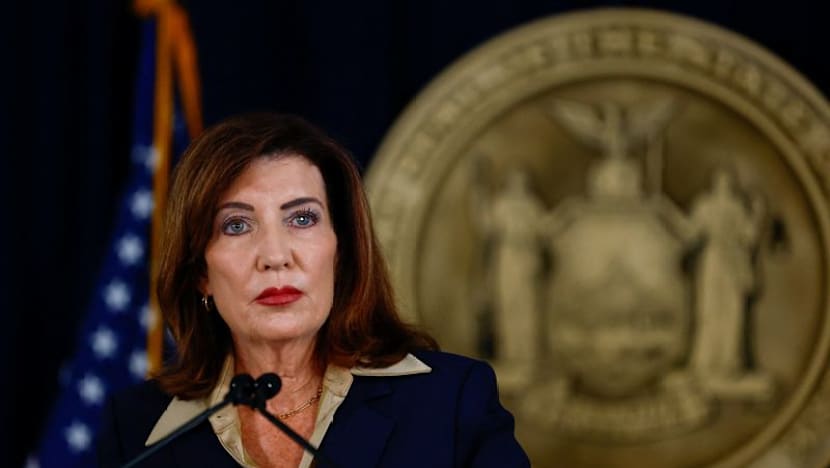
 Le Mondenot ratedRead the original
 PoliticoThis piece reads center
“eyes changes to state's rape law amid Cornell crisis”
Read the original The Hillnot rated
FramingLeads with Trump's criticism and political conflict over the prosecutor appointment, whereas other outlets focus on Hochul's institutional response to the case itself.
Read the original
 Dawnnot ratedRead the original
 South China Morning PostThis piece reads center
“faulted police and prosecutors for failing to fully investigate”
Read the original
Placements are generated by an AI model from each article’s own headline and summary, and every quotation above is checked to be a real substring of that article before it is published. How this is done
Prism is free and carries no advertising. Support it if it was useful.