Trump posts Republican senator Tom Cotton's cellphone number over daylight saving time bill
Reported by
A dot shows how that piece reads — Prism rates articles, not outlets, and shows the words behind each placement below. No dot means the piece isn’t rated. How the ratings work

What happened
The account the coverage agrees on, with contested figures attributed rather than asserted. This is not one of the five framings below — it is the ground they all stand on.
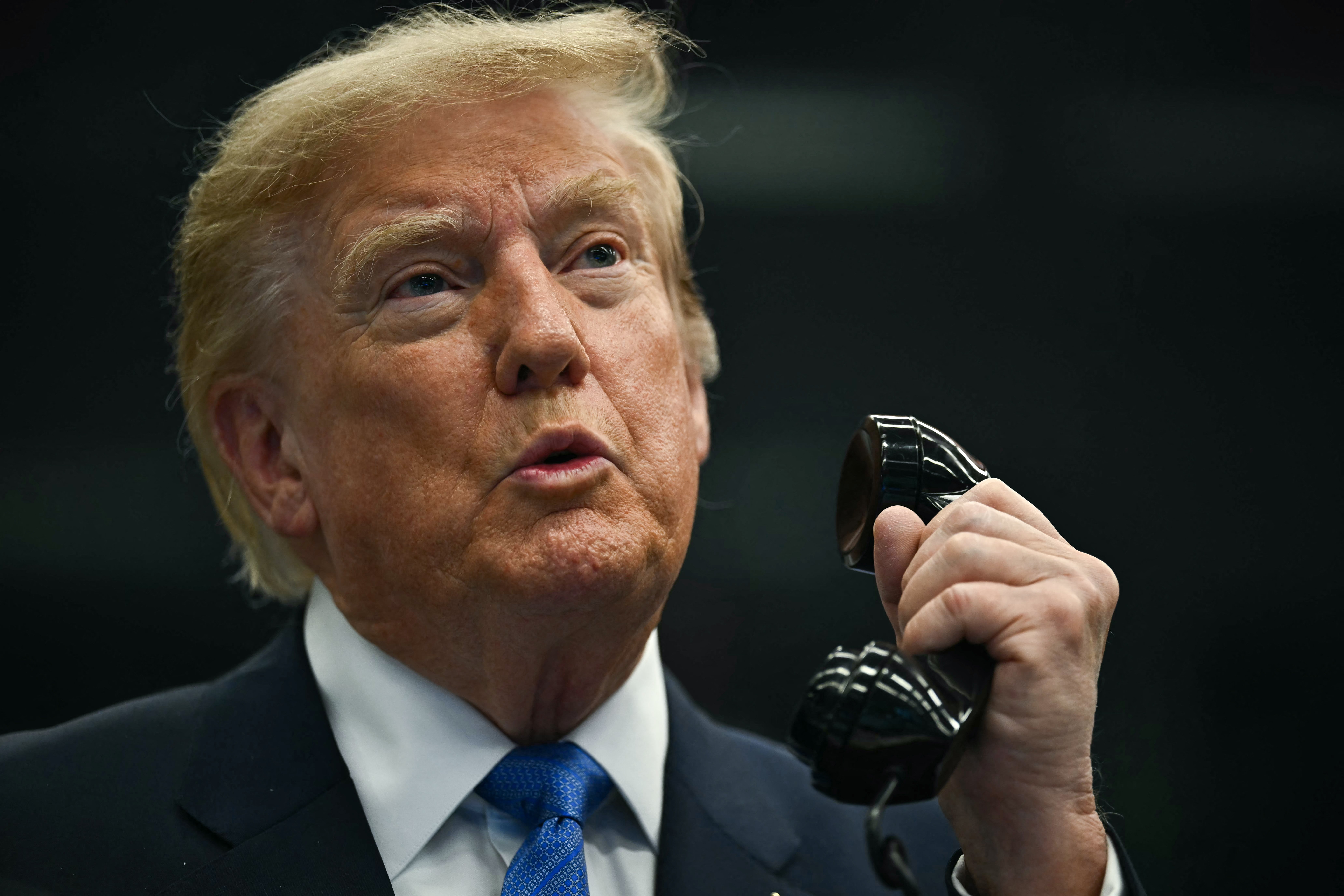
President Trump posted Sen. Tom Cotton's cellphone number on Truth Social on Saturday, urging Arkansas residents to call him and pressure him to support the Sunshine Protection Act, which would make daylight saving time permanent nationwide. Trump said Cotton was "holding up" and "stopping" the bill. Cotton responded that he opposes the measure because "Arkansans don't want their kids going to school in the pitch dark." The bill passed the House in July and is stalled in the Senate.
How the spectrum reads this story
The same event, summarised as five points on the political spectrum would each tend to frame it. These are generated by an AI model and are a starting point, not the last word.
Left
Trump's decision to publicly release a senator's phone number and incite constituent pressure exemplifies how he uses social media to circumvent institutional norms and democratic deliberation. This tactic treats governance as personal celebrity combat rather than legislative negotiation, erodes Senate independence, and models dangerous harassment of public officials. Cotton's legitimate policy concerns about school start times are drowned out by Trump's strongman theatrics, which normalize doxxing and intimidation as political tools.
Center-left
Trump's public release of Cotton's phone number is an inappropriate use of presidential platform to bully a fellow Republican over a relatively minor procedural disagreement. While Trump frames this as pushing for legislative action, the tactic—publishing someone's personal number and urging calls—crosses norms of civil discourse. Cotton has legitimate reasons for opposing permanent daylight saving time, particularly regarding children's safety. This episode shows Trump's willingness to publicly attack Republicans who don't fall in line, even on lower-stakes issues.
Center
Trump and Cotton are at odds over the Sunshine Protection Act, a narrower legislative question where reasonable people disagree. Cotton's concern about dark mornings affecting children reflects real practical trade-offs. Trump's decision to publish the senator's phone number and encourage calls is an unconventional pressure tactic that breaks with standard political norms, though it stops short of direct threats. Both sides have legitimate points about daylight saving time's effects, but the method of dispute—public doxxing—distracts from the actual policy merits and raises questions about what counts as acceptable political pressure in the social media age.
Center-right
Trump is right to push for permanent daylight saving time, which many Americans support for practical reasons including more evening daylight for recreation and commerce. However, publishing Cotton's personal cell number, while an attention-getting tactic, is unorthodox and risks normalizing harassment of officials over policy disagreements. Cotton's objection—that Arkansas schoolchildren would face dark mornings—is a legitimate regional concern worth serious consideration. The dispute should be resolved through normal legislative channels, not through pressure campaigns mobilized by presidential social media posts.
Right
Trump is correctly applying pressure to move the Sunshine Protection Act forward; more daylight hours benefit workers, golfers, and the economy. Cotton's obstruction, though framed in terms of school schedules, appears to be procedural foot-dragging that one senator shouldn't be able to sustain indefinitely. Trump's direct appeal to constituents is a legitimate use of his platform to activate voters and hold elected officials accountable to their constituents' interests. The tactic is transparent and democratic—it simply tells people how to contact their representative rather than working backroom deals.
Hear two viewpoints debate it
Pick two viewpoints and Prism writes a short, six-turn exchange about this story in each one’s own voice — steel-manned, no winner declared. Each pairing is written once and then saved for every reader. The voices are AI syntheses of a tradition, not real people.
New pairing — Prism will write it now.
How each outlet covered it
Where Prism places each piece — not the outlet in general — with the words from that piece that put it there, and the photograph the outlet chose. Picking a photo is a framing decision too.
- PBS NewsHournot ratedRead the original
 Straight Arrow NewsThis piece reads center-left
“escalating his push to make daylight saving time permanent”
Word choiceDescribes Trump's action as 'escalating,' which frames posting the number as a step up in intensity and suggests an already-ongoing campaign.
Read the original
 The Hillnot ratedRead the original
 The Daily Wirenot rated
Word choiceUses 'published' rather than 'posted' or 'shared'—a word that emphasizes the act of wide dissemination, making it sound more like a formal disclosure than a social media message.
Read the original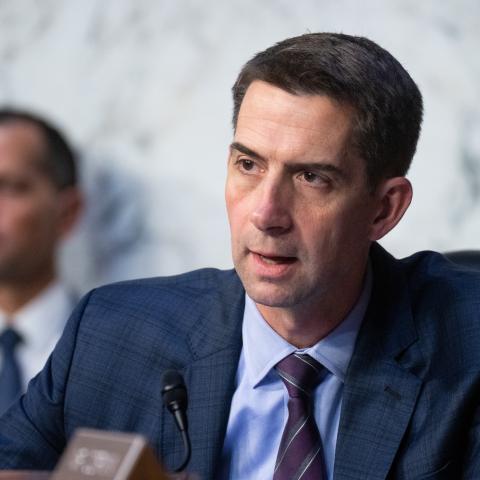 Just the Newsnot rated
FramingOpens with Cotton's response rather than Trump's action, centering the story on the senator's counterargument instead of Trump's initial move.
Read the original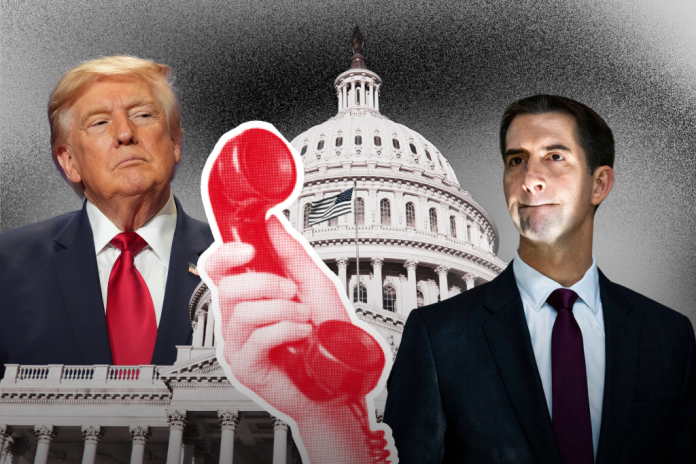 Washington Examinernot rated
Word choiceStates the Sunshine Protection Act would 'end daylight saving time,' but the bill actually makes it permanent—a significant factual error that mischaracterizes what the legislation does.
Read the original
Placements are generated by an AI model from each article’s own headline and summary, and every quotation above is checked to be a real substring of that article before it is published. How this is done
Prism is free and carries no advertising. Support it if it was useful.