Iran announces restricted zone in Strait of Hormuz, US fuel prices rise
Reported by
A dot shows how that piece reads — Prism rates articles, not outlets, and shows the words behind each placement below. No dot means the piece isn’t rated. How the ratings work
What happened
The account the coverage agrees on, with contested figures attributed rather than asserted. This is not one of the five framings below — it is the ground they all stand on.
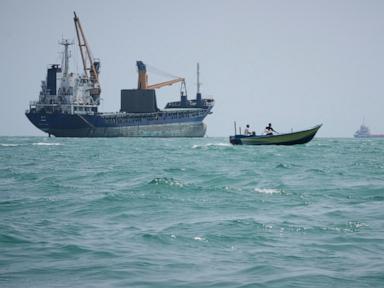
A top Iranian official announced Tehran will impose an "exclusion zone" outside the Strait of Hormuz to tighten control over tanker traffic. U.S. gas prices hit a record high for Labor Day weekend, averaging $4.14 per gallon, and oil prices rose following the Iranian announcement.
How the spectrum reads this story
The same event, summarised as five points on the political spectrum would each tend to frame it. These are generated by an AI model and are a starting point, not the last word.
Left
The U.S. is escalating tensions in the Persian Gulf by striking Iranian oil tankers, provoking Iran's defensive posture. Iran's announcement of a restricted zone near the Strait of Hormuz is a measured response to American aggression. This cycle of strikes and counter-threats threatens global oil supplies and pushes the region toward wider conflict, driven by U.S. military interventionism that prioritizes corporate interests over de-escalation and diplomacy.
Center-left
Escalating military strikes between the U.S. and Iran over the Strait of Hormuz are raising global oil prices and creating real hardship for American families facing record gas prices. Iran's plan to establish a restricted zone appears to be a retaliatory move following U.S. strikes on Iranian tankers. The situation reflects a breakdown in diplomatic channels and risks further destabilizing a critical global shipping route.
Center
Iran says it will establish a restricted zone near the Strait of Hormuz, a major shipping chokepoint. This comes after the U.S. struck three Iranian oil tankers, which itself followed Iranian ballistic missile attacks on U.S. warships. The escalation is driving up global oil prices, with U.S. gas averaging $4.14 per gallon over Labor Day weekend. Iran has threatened a stronger response, while details on the restricted zone remain limited.
Center-right
Iran continues aggressive actions in the Strait of Hormuz, now threatening to establish an exclusion zone that could disrupt global oil markets. After the U.S. responded to Iranian missile attacks by striking Iranian tankers, Tehran is doubling down with threats of more painful retaliation. This Iranian posturing tightens their control over a critical shipping route and demonstrates they will not accept limits on their regional ambitions, raising costs for American consumers.
Right
Iran is brazenly seeking to control the Strait of Hormuz and threatening the free flow of global commerce with an exclusion zone, all while promising more attacks on U.S. forces. After launching ballistic missiles at American warships, Iran faced justified strikes on its tankers and responded with threats of escalation. Iran's aggressive expansion of control over this chokepoint directly harms American families through record gas prices and shows Tehran will only respect strength and resolve.
Hear two viewpoints debate it
Pick two viewpoints and Prism writes a short, six-turn exchange about this story in each one’s own voice — steel-manned, no winner declared. Each pairing is written once and then saved for every reader. The voices are AI syntheses of a tradition, not real people.
New pairing — Prism will write it now.
How each outlet covered it
Where Prism places each piece — not the outlet in general — with the words from that piece that put it there, and the photograph the outlet chose. Picking a photo is a framing decision too.
- ABC NewsThis piece reads center
“Tehran plans new 'restricted zone' outside Strait of Hormuz”
FramingAttributes high gas prices directly to an 'Iran War' in the headline itself, framing it as an established fact rather than an ongoing crisis, which emphasizes consumer pain.
Read the original - CBS NewsThis piece reads center-right
“tighten its chokehold on tanker traffic”
Word choiceUses 'chokehold,' an aggressive metaphor suggesting Iran is strangling commerce, rather than the more neutral 'restricted zone' language other outlets use.
Read the original
Placements are generated by an AI model from each article’s own headline and summary, and every quotation above is checked to be a real substring of that article before it is published. How this is done
Prism is free and carries no advertising. Support it if it was useful.