US military strikes Iranian oil tankers in Persian Gulf
Reported by
A dot shows how that piece reads — Prism rates articles, not outlets, and shows the words behind each placement below. No dot means the piece isn’t rated. How the ratings work
Fox News
What happened
The account the coverage agrees on, with contested figures attributed rather than asserted. This is not one of the five framings below — it is the ground they all stand on.
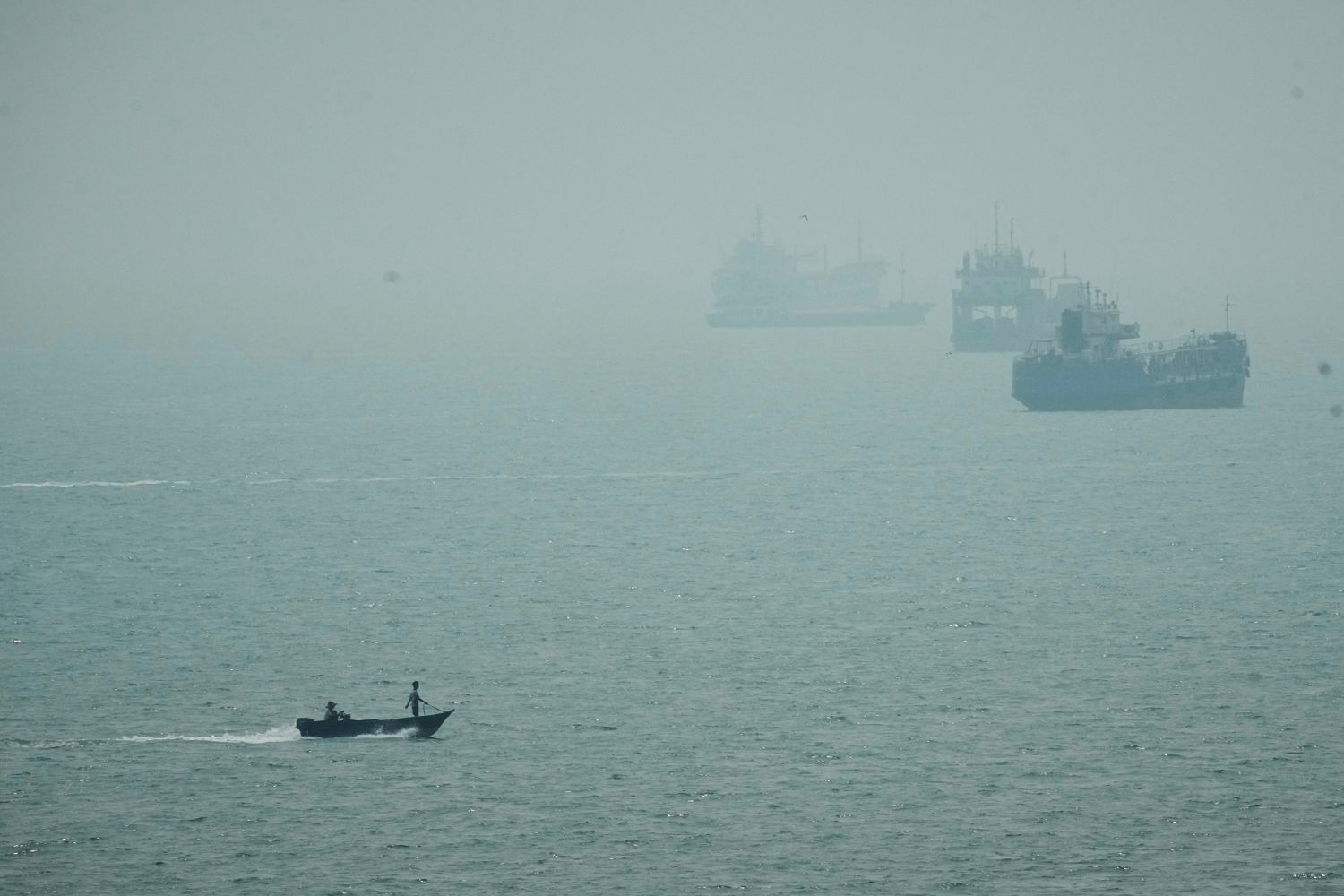
U.S. forces struck multiple Iranian tankers near Kharg Island linked to the Islamic Revolutionary Guard Corps, according to a U.S. official. The strikes were in response to attempted attacks by the IRGC on at least one U.S. Navy ship operating in the region.
How the spectrum reads this story
The same event, summarised as five points on the political spectrum would each tend to frame it. These are generated by an AI model and are a starting point, not the last word.
Left
The U.S. continues escalating military confrontation with Iran through strikes on oil tankers, raising risks of wider conflict and deliberately disrupting global oil supplies. These strikes target economic infrastructure rather than military assets, hitting civilian shipping tied to Iran's economy. The cycle of U.S. aggression and Iranian retaliation shows the failure of military strategy; diplomatic de-escalation is essential to prevent catastrophic war and stabilize oil markets that harm working people everywhere.
Center-left
U.S. forces have struck Iranian tankers in response to attacks on American naval vessels, but the escalating tit-for-tat strikes carry real risks. While defending Navy ships is legitimate, targeting oil infrastructure threatens regional stability and global energy security. The Strait of Hormuz remains dangerously tense. The administration should balance deterrence with genuine diplomatic off-ramps; military responses alone won't resolve the underlying U.S.-Iran standoff or prevent future incidents.
Center
The U.S. struck Iranian tankers after the IRGC attempted to attack an American warship—a defensive response to direct hostile action. However, both sides are now locked in escalation where each strike invites retaliation, and neither has clear incentive to stop. Oil markets are already feeling the pressure. The real problem is that neither military action nor inaction solves the core conflict; both carry costs. Any strategy needs both credible deterrence and negotiating channels to prevent this cycle from spiraling into uncontrolled war.
Center-right
U.S. forces appropriately responded to Iranian missile attacks on a Navy warship by striking Iranian oil tankers linked to the IRGC. This demonstrates resolve and imposes real costs on Iranian aggression. The strikes target economic infrastructure to pressure Tehran without escalating to broader military conflict. Oil prices are rising, but deterring Iranian attacks on American forces and shipping is necessary to maintain freedom of navigation in critical sea lanes and protect regional allies.
Right
The U.S. military struck Iranian tankers near Kharg Island, turning the screws on Tehran after the IRGC repeatedly attacked American naval forces. This is strong, necessary action showing Tehran that attacking the U.S. military has consequences. The strikes degrade Iranian economic leverage and demonstrate American power in the region. More pressure on Iran's oil revenue weakens its ability to fund proxy militias and terrorism. This is the language Tehran understands—weakness invites aggression; strength forces respect.
Hear two viewpoints debate it
Pick two viewpoints and Prism writes a short, six-turn exchange about this story in each one’s own voice — steel-manned, no winner declared. Each pairing is written once and then saved for every reader. The voices are AI syntheses of a tradition, not real people.
New pairing — Prism will write it now.
How each outlet covered it
Where Prism places each piece — not the outlet in general — with the words from that piece that put it there, and the photograph the outlet chose. Picking a photo is a framing decision too.
 NBC NewsThis piece reads center
Headline changedwas “U.S. strikes Iranian tankers after attempted attacks on Navy warship”
“in response to attempted attacks by the IRGC”
Read the original New York PostThis piece reads center-right
“to turn the screws on Tehran: report”
FramingUses the phrase 'turn the screws,' emphasizing economic pressure and coercion as the aim, where other outlets state the strikes were in response to attacks on the Navy ship.
Read the original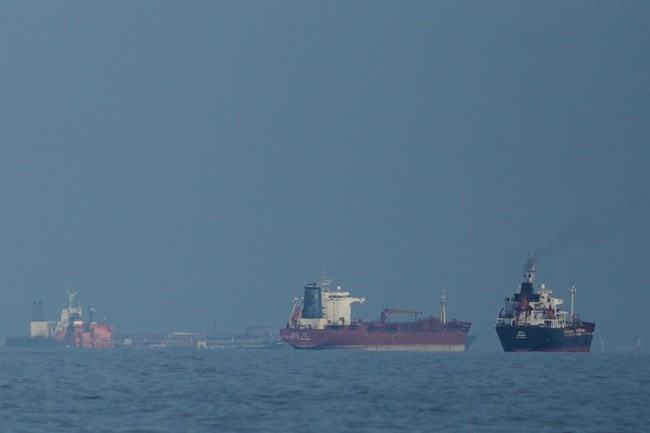 RedStateThis piece reads right
“Making Tehran's Bad Week Even Worse”
Word choiceUses colloquial, celebratory language ('bad week') that frames the strikes as a positive outcome for U.S. interests, tone absent from other outlets.
Read the original Fox Newsnot ratedRead the original
Placements are generated by an AI model from each article’s own headline and summary, and every quotation above is checked to be a real substring of that article before it is published. How this is done
Prism is free and carries no advertising. Support it if it was useful.