Trump administration bans Canadian dairy, motorcycles, alcohol imports amid escalating trade war
Reported by
A dot shows how that piece reads — Prism rates articles, not outlets, and shows the words behind each placement below. No dot means the piece isn’t rated. How the ratings work
What happened
The account the coverage agrees on, with contested figures attributed rather than asserted. This is not one of the five framings below — it is the ground they all stand on.
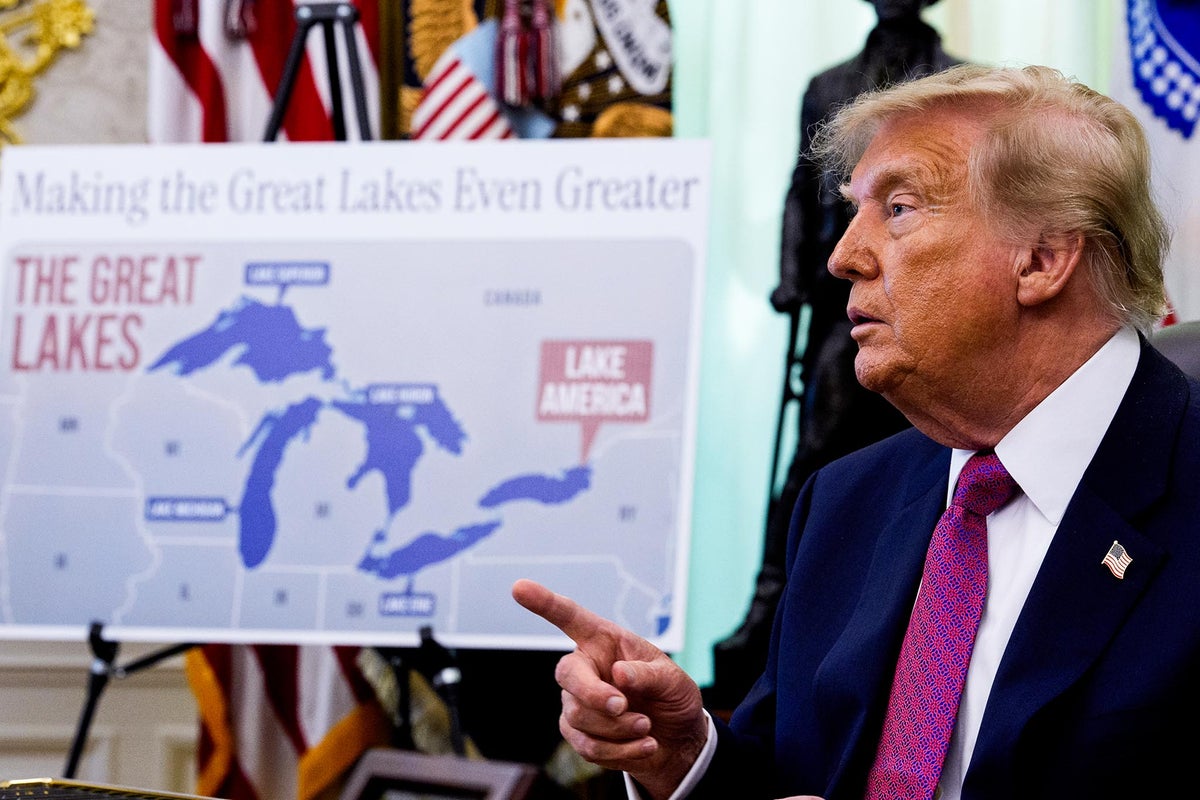
President Trump announced Tuesday that the U.S. will ban imports of Canadian motorcycles, some dairy products, and most alcoholic beverages, with the ban taking effect in three weeks. The move came hours after Canada imposed retaliatory tariffs on approximately $20 billion in U.S. imports, including milk, cream, steel, aluminum, paper, and agricultural equipment. Canadian Prime Minister Mark Carney said Canada would work to reduce its economic dependence on the U.S.
How the spectrum reads this story
The same event, summarised as five points on the political spectrum would each tend to frame it. These are generated by an AI model and are a starting point, not the last word.
Left
Trump's import ban on Canadian goods exemplifies how his protectionist policies harm working people on both sides of the border while enriching corporate interests. By escalating trade war measures beyond tariffs into outright bans, he's dismantling decades of integrated North American commerce and destabilizing economies that depend on cross-border trade. This reflects a broader pattern of using working-class concerns about trade as cover for policies that ultimately serve wealthy constituencies, while ordinary workers and small businesses suffer the consequences of economic disruption.
Center-left
The Trump administration's decision to ban Canadian imports marks a dangerous escalation in trade tensions with a key ally. While concerns about trade imbalances warrant serious discussion, this approach—moving from tariffs to outright bans—risks real economic harm to American consumers and businesses that depend on Canadian goods. Canada's retaliatory response was predictable, and both countries' citizens will pay the price. A more constructive approach through negotiation would better serve both nations' long-term interests.
Center
The U.S.-Canada trade dispute reflects genuine disagreements about trade fairness that deserve resolution, but both sides are now locked in escalating measures that hurt their own economies. Bans on specific goods like motorcycles and dairy go beyond tariffs into territory that could trigger further retaliation and broader market disruption. Neither import bans nor dollar-for-dollar tariffs solves the underlying issues. Both countries need to return to direct negotiation rather than tit-for-tat measures that impose real costs on businesses and consumers while leaving the core disputes unresolved.
Center-right
Trade disputes require clear enforcement of fair practices, and Canada's policies have understandably prompted U.S. action. However, import bans on goods like motorcycles raise questions about whether targeted measures address actual trade problems or simply disrupt supply chains. The administration should ensure these actions target genuine unfair practices rather than becoming broad economic weapons. Canada's retaliatory tariffs show both countries are now in a cycle that risks genuine economic damage, suggesting both sides should focus on specific, negotiable disputes rather than escalating symbolic measures.
Right
America should prioritize its own economic security and stop allowing unfair trade relationships to persist. Canada has long benefited from preferential access to U.S. markets, and it's time to reassert American sovereignty over trade decisions. While bans on specific imports may seem extreme, they send a necessary message that the U.S. will no longer accept one-sided arrangements. Canada's retaliatory tariffs prove they view trade as a competition to be won, not a partnership to be managed—so American measures to protect domestic producers are justified and overdue.
Hear two viewpoints debate it
Pick two viewpoints and Prism writes a short, six-turn exchange about this story in each one’s own voice — steel-manned, no winner declared. Each pairing is written once and then saved for every reader. The voices are AI syntheses of a tradition, not real people.
New pairing — Prism will write it now.
How each outlet covered it
Where Prism places each piece — not the outlet in general — with the words from that piece that put it there, and the photograph the outlet chose. Picking a photo is a framing decision too.
- The IndependentThis piece reads center-left
“escalates Canada trade war by banning imports”
FramingPlaces 'escalates' in the headline itself, foregrounding characterization of the action's significance more prominently than outlets that lead with the goods being banned.
Read the original  The GuardianThis piece reads center-left
“longtime ally escalates”
Word choiceEmphasizes the relationship status ('longtime ally') in the headline, which other outlets either omit or mention only in body text, adding a note of relationship strain.
Read the original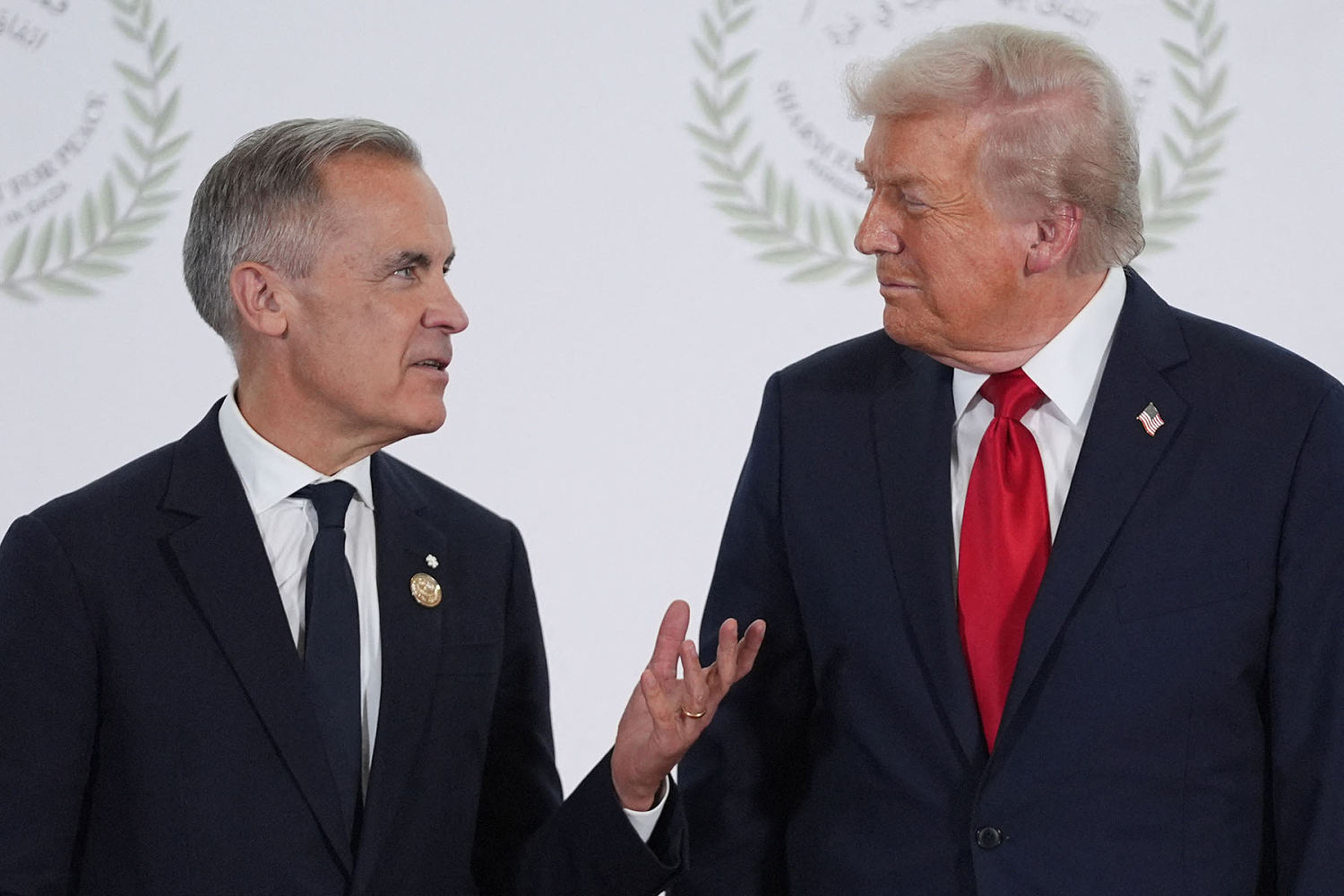 NBC NewsThis piece reads center-left
Headline changedwas “Trump escalates trade war with Canada, moving to ban the import of some autos, dairy and alcohol”
“sharply escalate the trade war with Canada”
Read the original- CBS NewsThis piece reads center
“moved Tuesday to ban imports of Canadian motorcycles”
Word choiceUses 'intensifying' to characterize the action's effect, whereas other outlets describe it more neutrally as an 'escalation' or present it as factual sequence.
Read the original 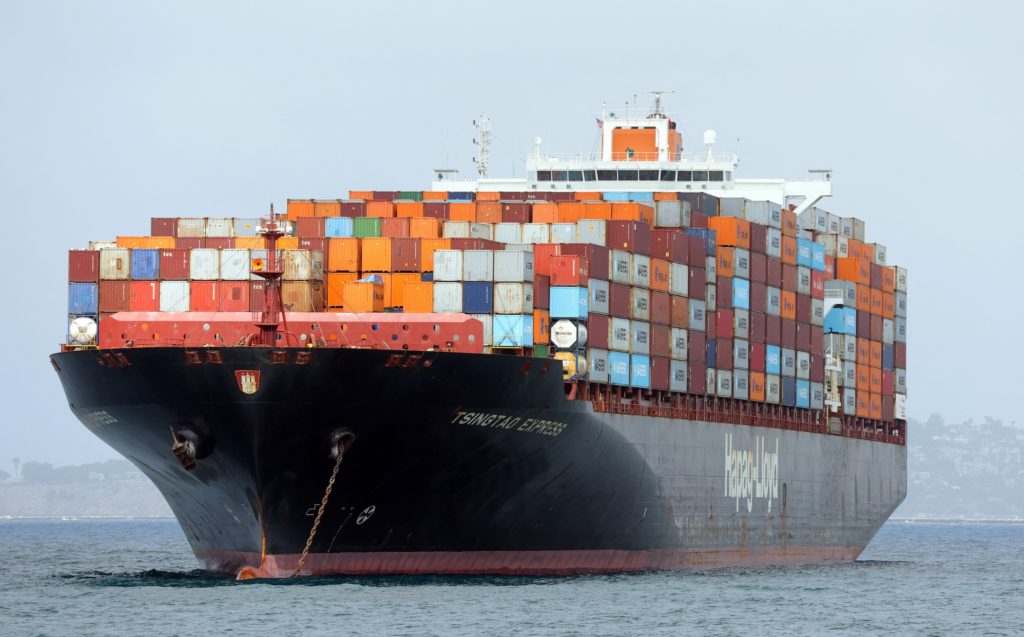 PBS NewsHourThis piece reads center
“tariff policies are shaping key races for control of Congress”
Read the original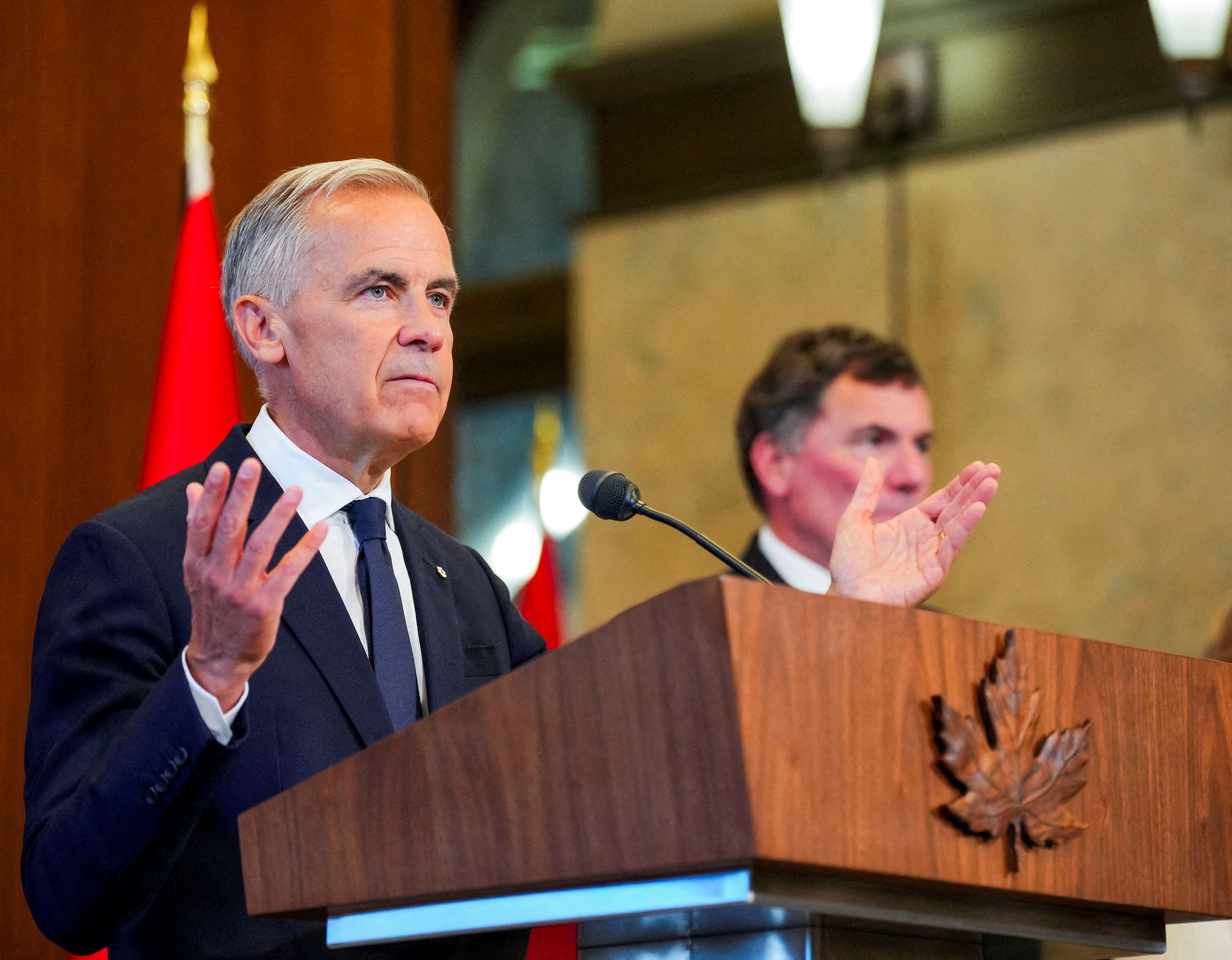
 AxiosThis piece reads center
“sharply escalating a trade war largely fought with tariffs”
FramingExplicitly states broader consequences ('deepen the economic rift') and potential disruption to consumers in a way most outlets do not in their headlines or lead text.
Read the original The Hillnot ratedRead the original
Placements are generated by an AI model from each article’s own headline and summary, and every quotation above is checked to be a real substring of that article before it is published. How this is done
Prism is free and carries no advertising. Support it if it was useful.