Trump waives Russia sanctions and reveals diesel import deal to keep peace talks with Russia alive
Reported by
A dot shows how that piece reads — Prism rates articles, not outlets, and shows the words behind each placement below. No dot means the piece isn’t rated. How the ratings work

What happened
The account the coverage agrees on, with contested figures attributed rather than asserted. This is not one of the five framings below — it is the ground they all stand on.
President Trump on Friday waived new sanctions on Russia set to take effect and approved a diesel deal allowing Russian exports to the U.S. market. Trump said the moves were necessary to keep Vladimir Putin at the negotiating table for Ukraine peace talks and claimed significant progress was being made. He accused President Zelensky of prolonging the conflict and having little interest in peace. Energy Secretary Chris Wright defended the diesel deal as an incentive to end the war. Treasury Secretary Scott Bessent said no sanctions relief was provided. Ukrainian President Zelensky and bipartisan U.S. lawmakers have criticized the decision.
Developing story · 2 chapters
- Trump signs executive order waiving Russia sanctions ordered by Lindsey Graham Act
- Trump waives Russia sanctions and reveals diesel import deal to keep peace talks with Russia aliveyou are here
How each side framed the previous chapter
Compare these with the five framings below to see what moved as the story developed — and what each side kept saying regardless.
Left
Trump is abandoning congressional will and Ukraine to appease Putin, undermining the bipartisan effort to pressure Russia over its invasion. By waiving sanctions he himself signed into law weeks earlier, Trump reveals his true allegiances lie with Moscow, not with defending democratic nations or U.S. strategic interests. This reversal emboldens an aggressor while betraying Ukraine at its most vulnerable moment and signals to authoritarian leaders that American resolve is negotiable.
Center-left
Trump's decision to waive Russia sanctions so soon after signing them into law represents a dangerous capitulation to Moscow and a setback for Ukraine. While the administration frames this as necessary for managing energy costs, the move undermines bipartisan sanctions policy and contradicts Congress's intent. The timing—following a diesel deal with Russia and amid deteriorating U.S.-Ukraine relations—suggests Trump is prioritizing short-term economic concerns and his relationship with Putin over sustained pressure on an invading power.
Center
Trump faces a genuine trade-off between two legitimate concerns: supporting Ukraine against Russian aggression and managing domestic energy prices and inflation ahead of elections. However, waiving comprehensive sanctions just weeks after signing them raises questions about the credibility of U.S. commitments and Congress's role in foreign policy. A more measured approach—perhaps targeted waivers rather than blanket exemptions—might have addressed energy concerns without signaling a wholesale retreat from Ukraine support or creating the appearance of a backroom deal with Moscow.
Center-right
The Trump administration is right to reconsider blanket sanctions that complicate efforts to lower fuel costs, which directly affect American households. However, the optics of signing legislation into law and then immediately waiving it are poor and fuel legitimate concerns about consistency and process. A better approach would involve working with Congress to modify the Graham Act itself or using waivers more selectively, rather than appearing to reverse course unilaterally and suggesting that energy deals with Russia override congressional mandates.
Right
Trump is correctly using his executive authority to prioritize American economic interests, particularly lower energy costs for working families. The Graham Act sanctions were counterproductive—raising diesel prices harms ordinary Americans while Russia adapts. By securing a diesel deal with Moscow and waiving economically damaging tariffs, Trump is pursuing pragmatic diplomacy over ideological confrontation. Congress can pass bills, but the president must retain flexibility to serve the national interest; Trump's move demonstrates the executive branch's proper role in foreign policy and trade.
How the spectrum reads this story
The same event, summarised as five points on the political spectrum would each tend to frame it. These are generated by an AI model and are a starting point, not the last word.
Left
Trump has handed Putin an economic lifeline by waiving congressionally mandated sanctions and opening the door to Russian diesel exports—moves that directly finance Russia's war machine while undermining Ukraine. The claim that this encourages peace negotiations is a transparent rationalization for capitulation to authoritarianism. By relieving pressure on Moscow and scapegoating Zelensky, Trump is abandoning Ukraine to appeasement, betraying both democratic principle and America's stated commitments to defend against aggression.
Drawn from 2 articles placed here, below.
Center-left
Trump's waiver of Russia sanctions and the diesel deal represent a dangerous shift toward accommodation with an aggressor state. While pursuing negotiations is legitimate, removing congressionally imposed pressure weakens America's leverage at the bargaining table and signals to Russia that sanctions can be negotiated away. The move contradicts bipartisan support for Ukraine and raises real questions about whether Trump is genuinely seeking a just settlement or simply looking for any deal that lets him claim victory.
Drawn from 7 articles placed here, below.
Center
Trump is gambling that removing sanctions pressure will actually bring Russia to a sustainable negotiated settlement, but the gamble carries real risks. Congress imposed these sanctions for a reason, and waiving them without concrete signs of Russian willingness to negotiate seriously looks premature. The diesel deal may offer modest domestic fuel relief but appears modest in impact. A more prudent approach would condition any sanctions relief on demonstrated Russian movement toward genuine peace terms rather than removing leverage upfront.
Drawn from 5 articles placed here, below.
Center-right
Trump's strategy of using sanctions relief as an incentive for peace negotiations reflects a legitimate desire to end the Ukraine conflict. Maintaining maximum pressure indefinitely can entrench positions rather than move parties toward settlement. The diesel deal offers some relief to American farmers and fuel consumers while signaling to Russia that cooperation will be rewarded. However, Trump needs to ensure Russia is genuinely moving toward serious negotiations before further concessions, and he should have better managed the messaging around these moves.
Drawn from 4 articles placed here, below.
Right
Trump is right to prioritize ending a costly foreign conflict through negotiation rather than endless military aid. Sanctions are a blunt instrument that often entrench conflicts; offering relief creates actual incentive for Russia to come to the table. The diesel deal helps American farmers and consumers facing fuel costs while respecting market realities—Russia will sell its products regardless. Critics who oppose any negotiation with Russia or any relief of pressure want indefinite involvement abroad; Trump's approach puts America's interests first by seeking a settlement.
No article in this story reads this way. This is how the position tends to frame events like it — written by a model, not quoted from anyone.
Hear two viewpoints debate it
Pick two viewpoints and Prism writes a short, six-turn exchange about this story in each one’s own voice — steel-manned, no winner declared. Each pairing is written once and then saved for every reader. The voices are AI syntheses of a tradition, not real people.
New pairing — Prism will write it now.
How each outlet covered it
Where Prism places each piece — not the outlet in general — with the words from that piece that put it there, and the photograph the outlet chose. Picking a photo is a framing decision too.
- Rolling StoneThis piece reads left
“A Drop in the Bucket': Trump's Diesel Deal With Russia Is Desperate Political”
Word choiceFrames the diesel deal in its headline as trivial and ineffectual, whereas other outlets report its stated purpose neutrally or report debates over its actual economic impact.
Read the original 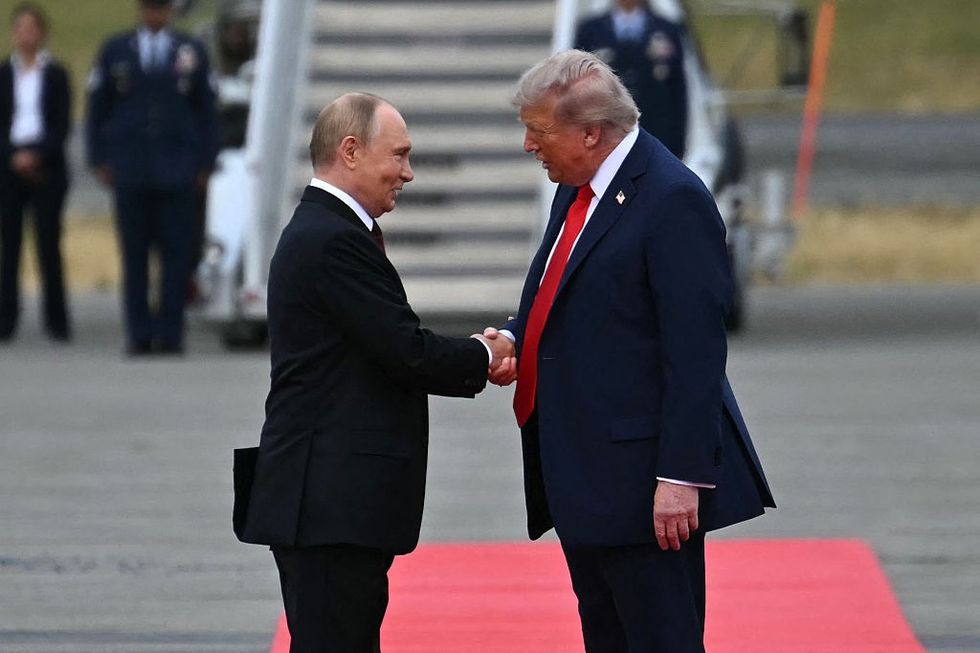 Common DreamsThis piece reads left
“Trump Gives Putin an 'Economic Lifeline,' Waives Sanctions on Russia”
Word choiceUses 'Economic Lifeline' to characterize the effect as sustaining Russia's war capacity, while other outlets report Trump's rationale or describe the measure more factually.
Read the original- The i PaperThis piece reads center-left
“President Zelensky says 'steps are being taken' to encourage Ukraine to”
Read the original  France 24This piece reads center-left
“accused Ukrainian President Volodymyr Zelensky of prolonging the war with Russia”
Read the original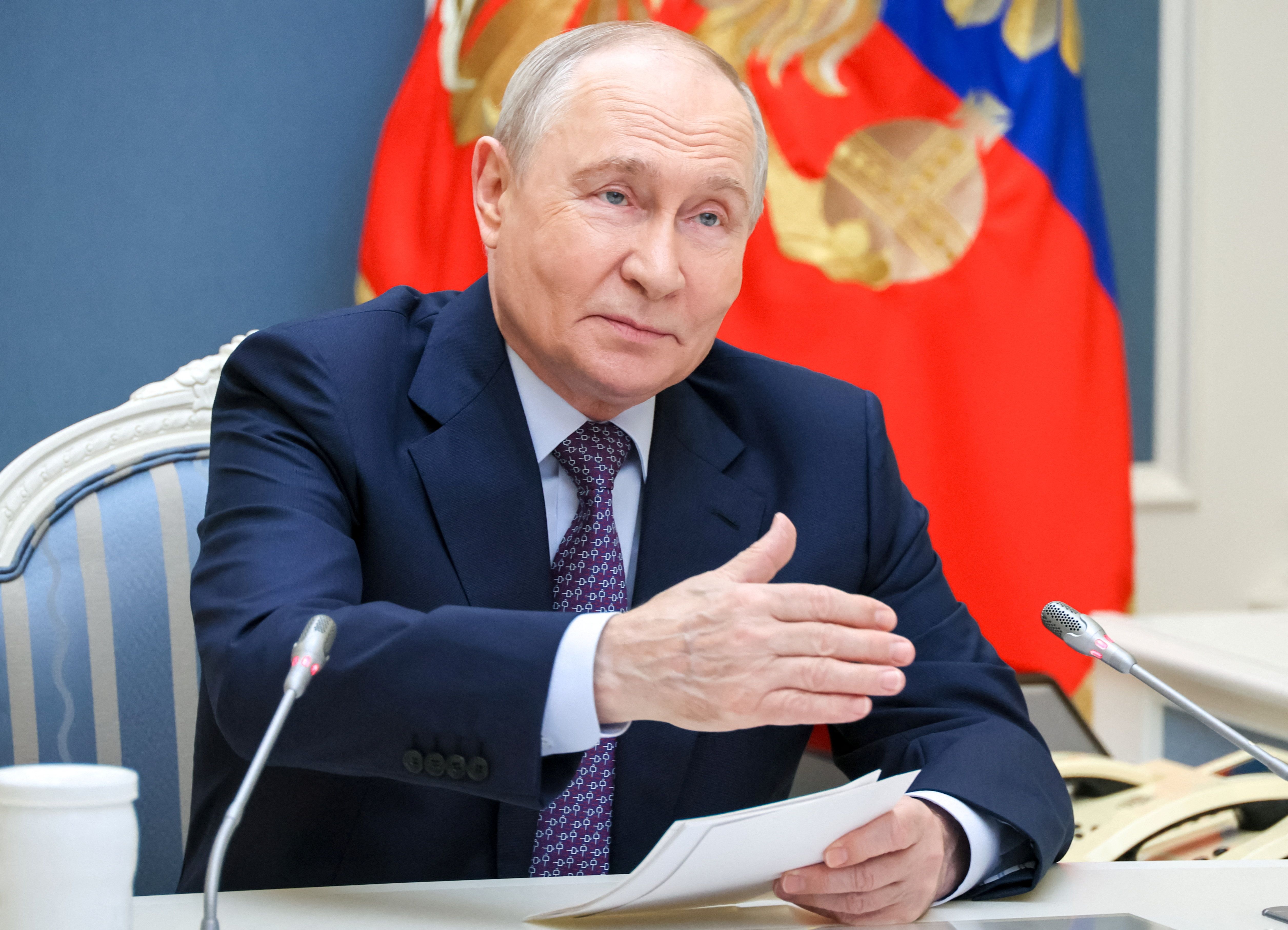 SemaforThis piece reads center-left
“reversing a bipartisan congressional push and raising fresh questions about”
Read the original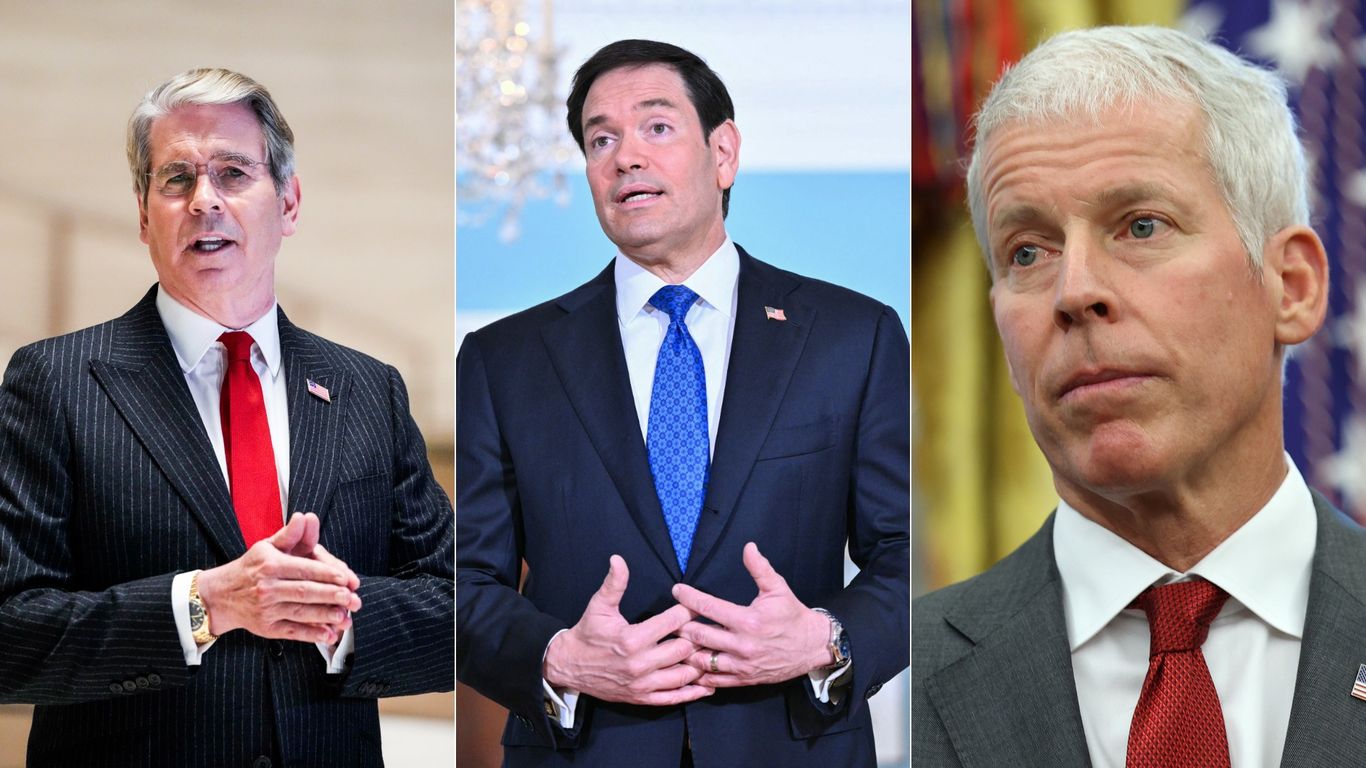 AxiosThis piece reads center-left
“Trump's moves are bringing rifts within the GOP just ahead of midterm elections”
FramingOpens with internal Trump administration disagreement on justification, emphasizing incoherence in messaging where most outlets report the official rationale.
Read the original The NationalThis piece reads center-left
“Trump defends Russia sanctions waiver as Zelenskyy rift deepens”
Read the original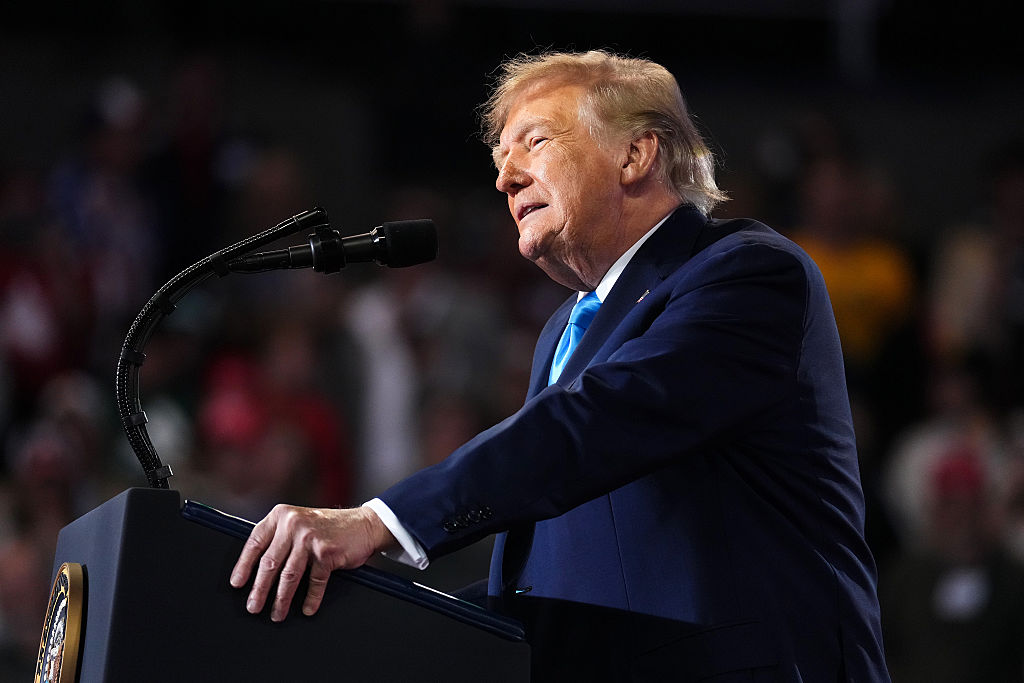 TimeThis piece reads center-left
“easing pressure on Moscow could bring limited relief to U.S. fuel buyers while”
Read the original- The Moscow TimesThis piece reads center-left
“Russian Firms Stand to Gain Most From Trump's Diesel Deal”
FramingLeads with who benefits from the deal and notes it may not lower U.S. prices, whereas most outlets center Trump's stated rationale or the Ukraine peace negotiations angle.
Read the original - The Straits Timesnot ratedRead the original
- BloombergThis piece reads center
“Trump said he cut a diesel export deal with Russia and delayed imposing further”
Read the original - Business InsiderThis piece reads center
“Energy Secretary Chris Wright defended Trump's decision to buy Russian diesel”
Read the original  Daily MailThis piece reads center
“Trump claims major progress is being made toward a Russia-Ukraine peace deal”
Read the original NPRThis piece reads center
“it's more complicated than it sounds and states are warning drivers they may”
FramingFrames the action primarily as a domestic tax measure for farmers rather than as a sanctions waiver or Russia deal, diverging from how other outlets characterize the same announcement.
Read the original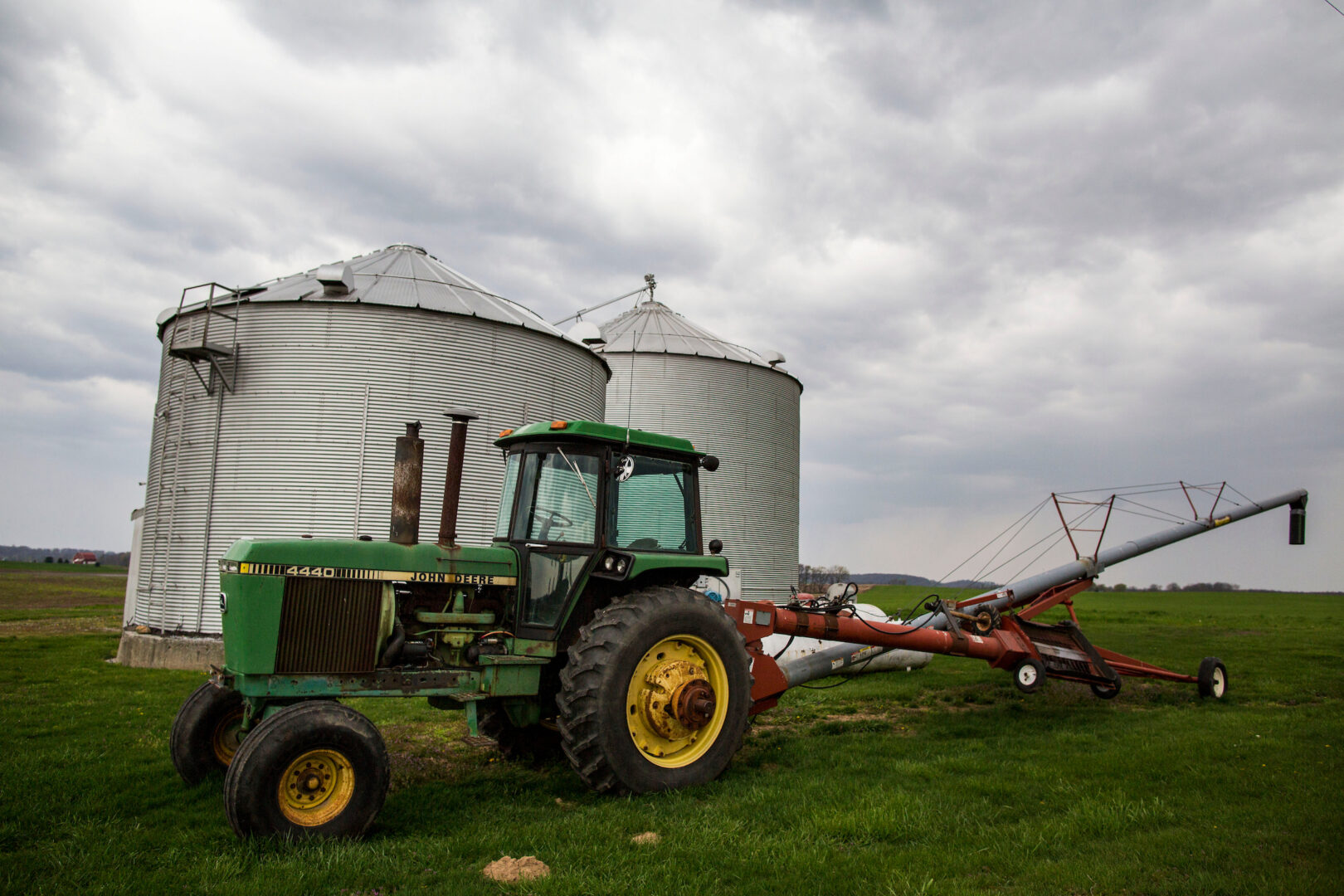 Roll CallThis piece reads center
“decisions being made thousands of miles away in Washington are costing them”
Read the original The Hillnot ratedRead the original
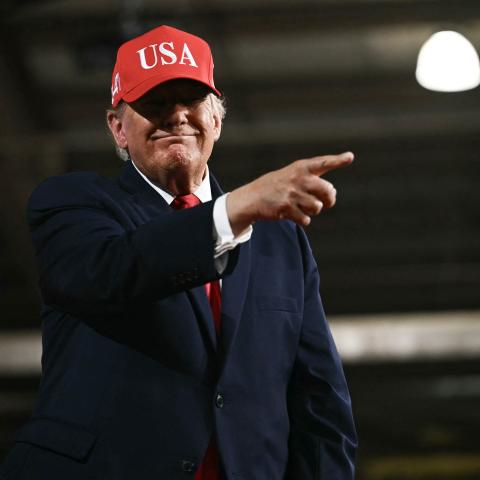 Just the NewsThis piece reads center-right
“Trump explains decision to put some Russia sanctions on hold while negotiating”
Read the original RedStateThis piece reads center-right
“Bessent: Europe Gave Putin More Than Ukraine”
Read the original- Issues & InsightsThis piece reads center-right
“Creators https://www.creators.com/author/michael-ramirez See the entire I&I”
Read the original
Placements are generated by an AI model from each article’s own headline and summary, and every quotation above is checked to be a real substring of that article before it is published. How this is done
Prism is free and carries no advertising. Support it if it was useful.