Americans vote in 2026 midterm elections
Reported by
A dot shows how that piece reads — Prism rates articles, not outlets, and shows the words behind each placement below. No dot means the piece isn’t rated. How the ratings work

What happened
The account the coverage agrees on, with contested figures attributed rather than asserted. This is not one of the five framings below — it is the ground they all stand on.
Americans voted on Tuesday, November 3, 2026, in midterm elections determining control of Congress for the final two years of Donald Trump's second term. All 435 House seats and roughly a third of Senate seats were contested. Early voting turnout was on pace to eclipse the previous midterm elections. Polls showed Democrats favored to take the House, with several Senate races described as competitive in states Republicans had not expected to defend.
Developing story · 7 chapters
- Americans vote in 2026 midterm electionsyou are here
- Speaker Mike Johnson announces he will not seek Republican leadership after midterm defeat
- JD Vance blames Iran war for Republican midterm losses
- Abdul El-Sayed wins Michigan Senate race, becomes first Muslim elected to Senate
- Senator Chuck Schumer speaks after Democrats win Senate control in midterms
- Annie Andrews wins South Carolina Senate seat, first openly gay senator elected
- Trump and Republicans blame Iran war for GOP midterm defeats
How the spectrum reads this story
The same event, summarised as five points on the political spectrum would each tend to frame it. These are generated by an AI model and are a starting point, not the last word.
Left
These midterms are a referendum on Trump's chaotic second term and offer Democrats a chance to impose checks on unchecked executive power. Voter resentment at Trump's unpopularity, combined with anger over soaring living costs and foreign conflicts, has shifted sentiment sharply against Republicans. A Democratic victory would represent popular rejection of Trump's agenda and create a needed brake on his power through divided government.
Drawn from 1 article placed here, below.
Center-left
Trump's unpopularity has put Republicans in a weaker position than typical for a president's party in midterms, giving Democrats a genuine opportunity to retake Congress. Voter concerns about the economy, combined with Trump's divisive leadership, have fractured the Republican coalition—even one in ten Trump voters plan to vote Democratic. A Democratic win would restore institutional checks and allow the opposition to set some agenda.
Drawn from 7 articles placed here, below.
Center
These midterms function as a straightforward popularity test on Trump and his first two years back in power. The outcome will shape the final portion of his term and reveal whether voters endorse or reject his direction. Democrats appear better positioned than the party typically is in midterms, but Senate races remain genuinely competitive, suggesting the result is not predetermined. The election will clarify voter priorities on economy, foreign policy, and leadership style.
Drawn from 16 articles placed here, below.
Center-right
While midterms are often difficult for any president's party, Republicans face particular headwinds from economic frustrations and Trump's polarizing style. However, the party retains competitive opportunities, particularly in Senate races in traditionally Republican states. The outcome will test whether Trump's base enthusiasm can overcome broader voter dissatisfaction, and will shape how Republicans navigate the final years of his term.
Drawn from 1 article placed here, below.
Right
Trump's coalition is under pressure from voter concerns about the economy and cost of living, yet his core supporters remain energized. Republicans still hold Congress and have defensive advantages in the Senate map. The real lesson will be whether Trump can adapt his populist appeal to address kitchen-table concerns, or whether the party needs to chart a different course to remain competitive as Trump's grip on the party potentially loosens.
No article in this story reads this way. This is how the position tends to frame events like it — written by a model, not quoted from anyone.
Hear two viewpoints debate it
Pick two viewpoints and Prism writes a short, six-turn exchange about this story in each one’s own voice — steel-manned, no winner declared. Each pairing is written once and then saved for every reader. The voices are AI syntheses of a tradition, not real people.
New pairing — Prism will write it now.
How each outlet covered it
Where Prism places each piece — not the outlet in general — with the words from that piece that put it there, and the photograph the outlet chose. Picking a photo is a framing decision too.
 Daily MirrorThis piece reads left
“humiliating defeat”
Word choiceUses emotionally weighted language to describe the expected Republican losses; most other outlets describe the same outcome more neutrally as losses or shifts.
Read the original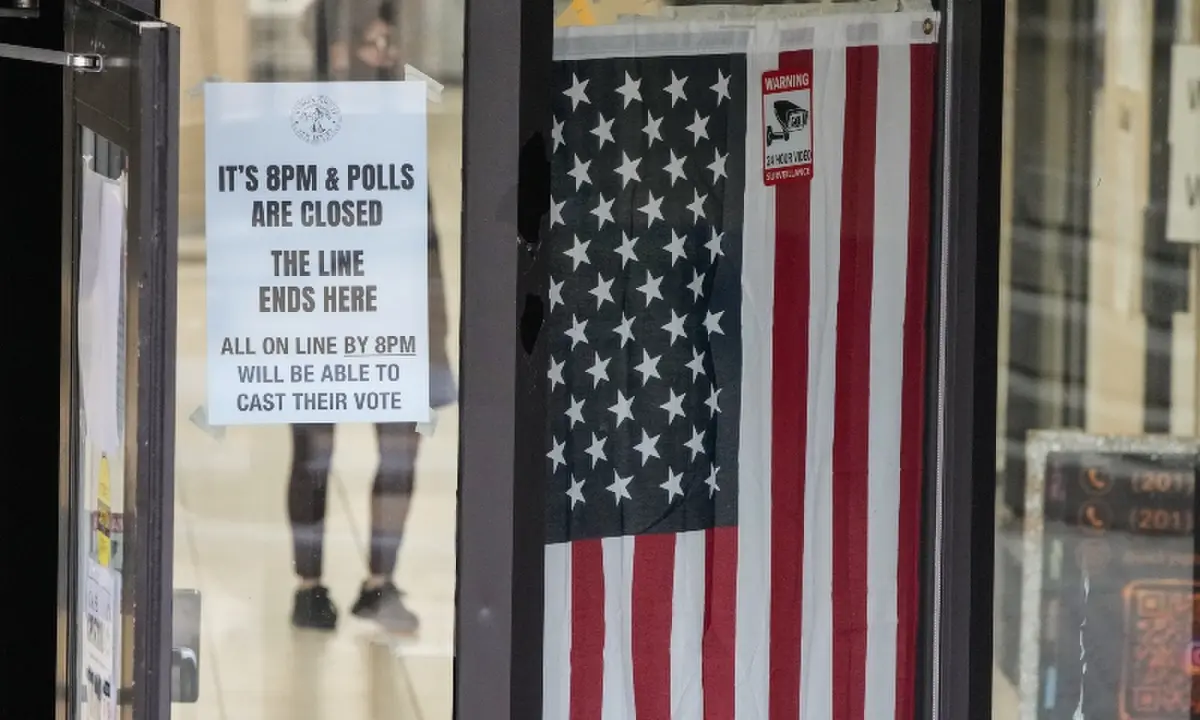 DawnThis piece reads center-left
“impose the first significant checks on Donald Trump's chaotic second term”
Read the original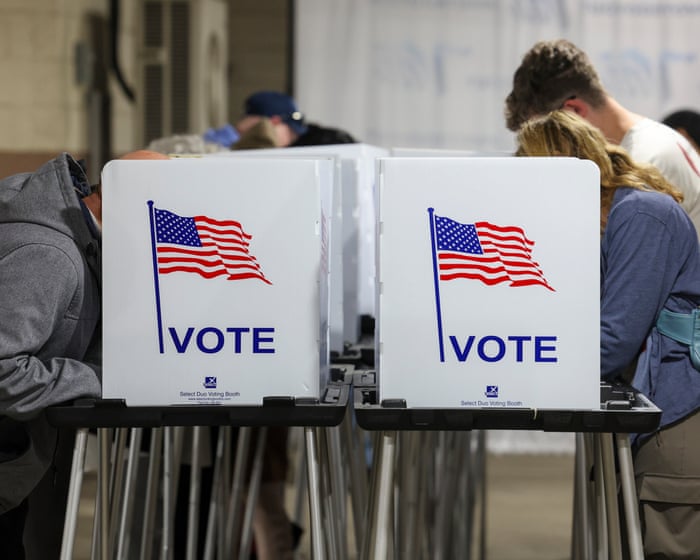 The GuardianThis piece reads center-left
“chance for opponents to rein in his untrammeled power”
Read the original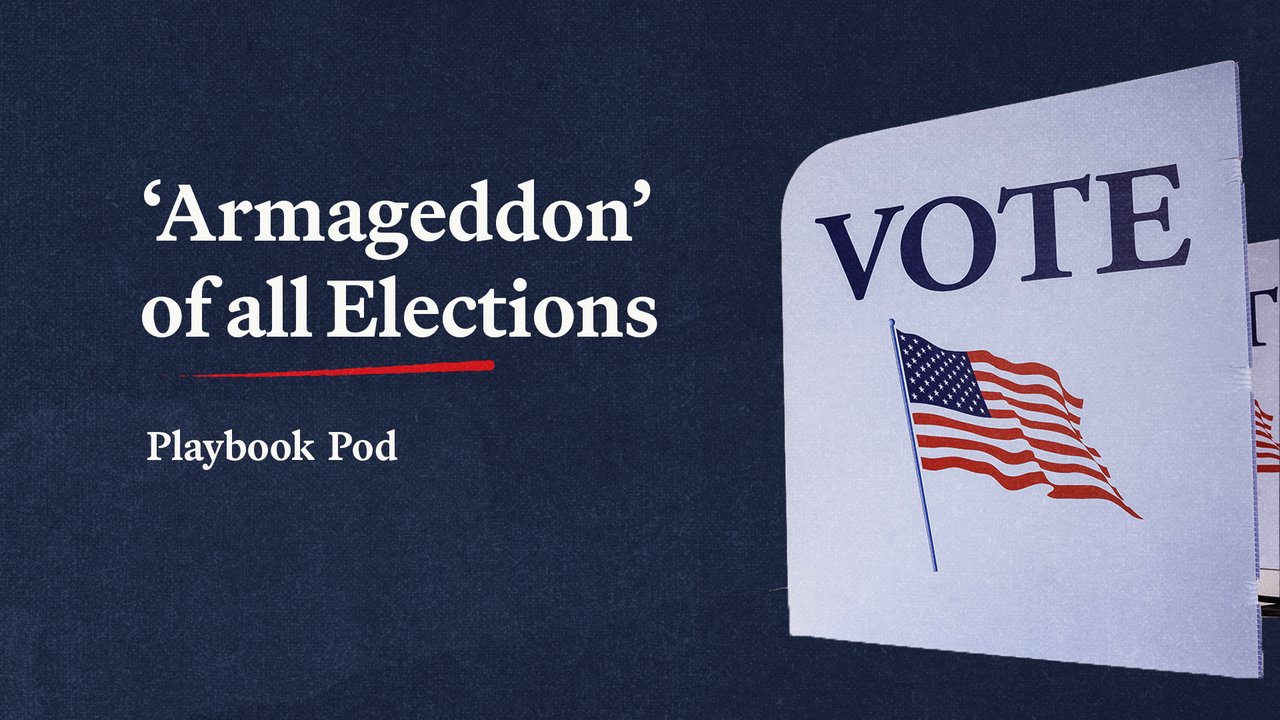 PoliticoThis piece reads center-left
“Armageddon”
What's left outHighlights internal fracturing of Trump's coalition with a specific metric; other outlets note Republican disadvantage but do not quantify defection this way.
Read the original- New StatesmanThis piece reads center-left
“president losing his political grip”
FramingMakes a sweeping interpretive claim about Trump's declining political centrality; other outlets describe the election as a referendum on him without suggesting he is fading from the political center.
Read the original 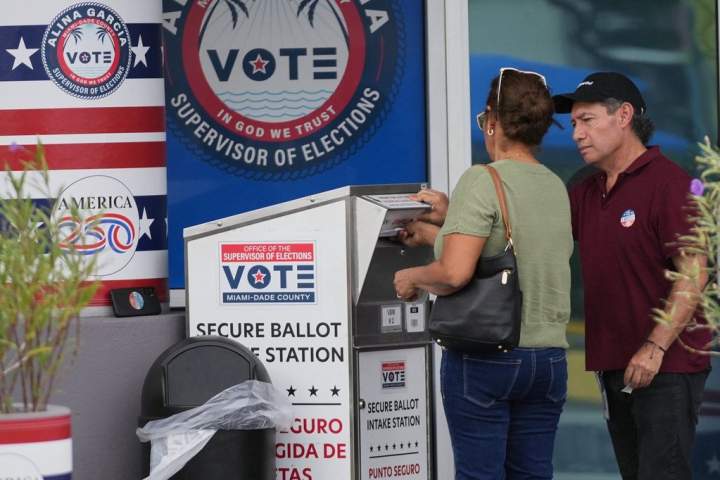 Global NewsThis piece reads center-left
“wrest power away from Trump and his Republican Party”
Read the original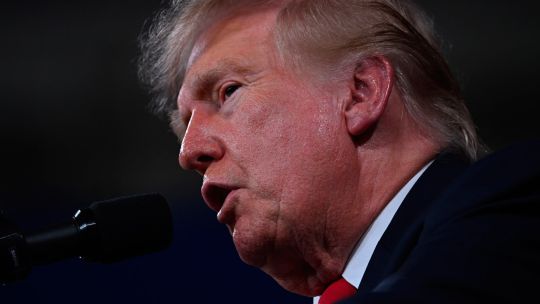 Buenos Aires TimesThis piece reads center-left
“anger over soaring living costs and the war against Iran”
Word choiceDescribes U.S.-Iran military action as 'war against Iran' while most outlets mention strikes but do not characterize the broader conflict this way.
Read the original- BloombergThis piece reads center
“Millions of Americans across the country are casting ballots”
Read the original  Hindustan TimesThis piece reads center
“Three possible outcomes and what they mean for Trump”
Read the original The New YorkerThis piece reads centerHeadline changed after publishing
Headline changed from: Midterm Elections 2026: Live Results Map | Democrats Flip The House and The Senate. To: Election 2026: Live Results Map | A Landslide Win For Democrats.
SpectrumCenter→Center-leftPrism reads the rewritten headline as center-left, where the original read center.
“Live Results Map”
Read the original
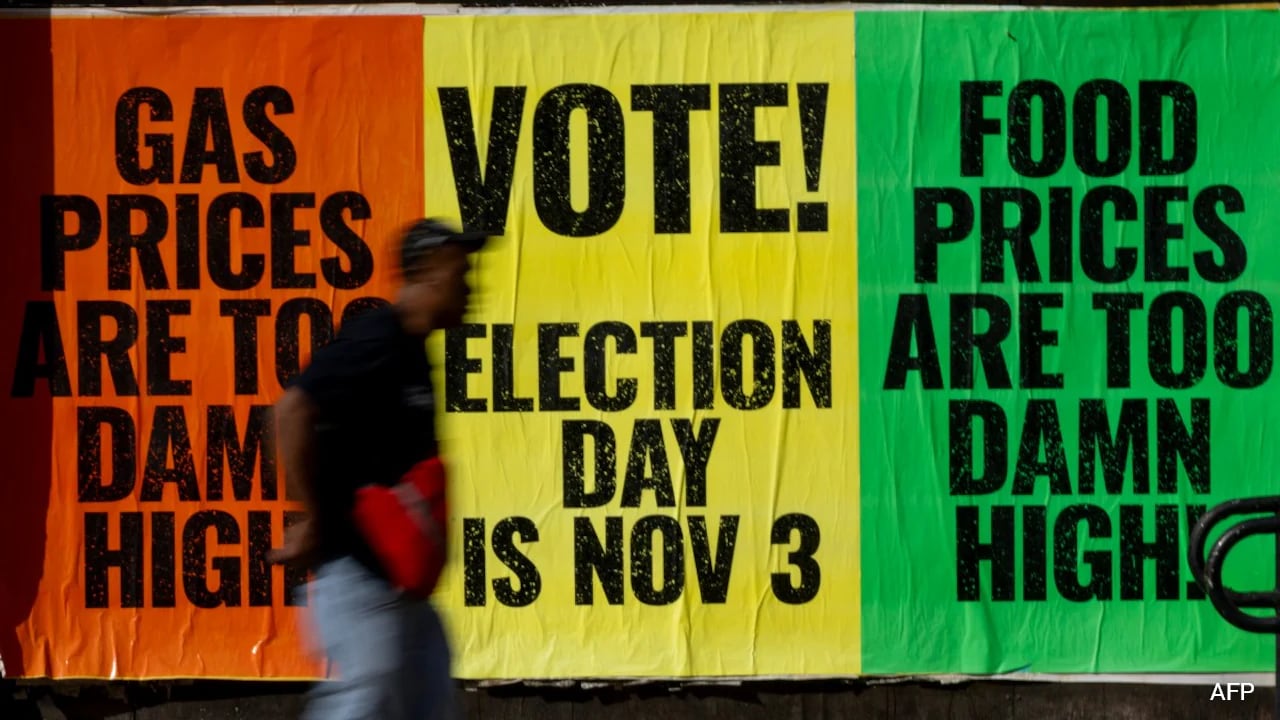
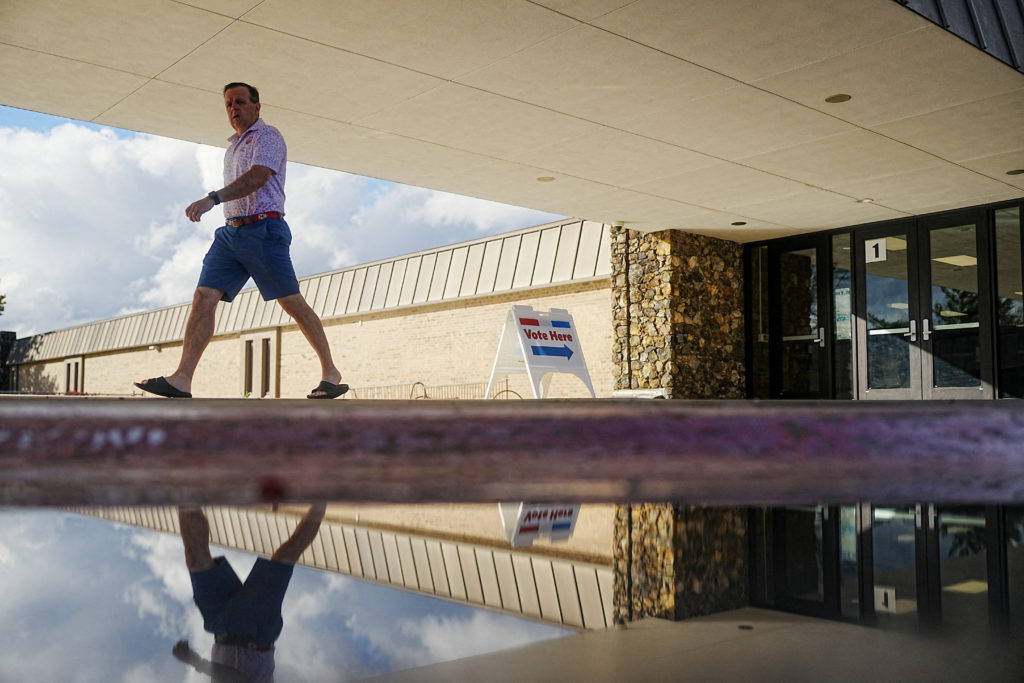

- The Jerusalem PostThis piece reads center-right
“antisemitism, AIPAC and the Jewish state played starring roles”
What's left outEmphasizes Israel-related issues as central campaign themes; other outlets do not foreground these topics as key drivers of the election.
Read the original

Placements are generated by an AI model from each article’s own headline and summary, and every quotation above is checked to be a real substring of that article before it is published. How this is done
Prism is free and carries no advertising. Support it if it was useful.