Trump predicts Iran war will end after midterm elections and discusses Houthi situation
Reported by
A dot shows how that piece reads — Prism rates articles, not outlets, and shows the words behind each placement below. No dot means the piece isn’t rated. How the ratings work
What happened
The account the coverage agrees on, with contested figures attributed rather than asserted. This is not one of the five framings below — it is the ground they all stand on.
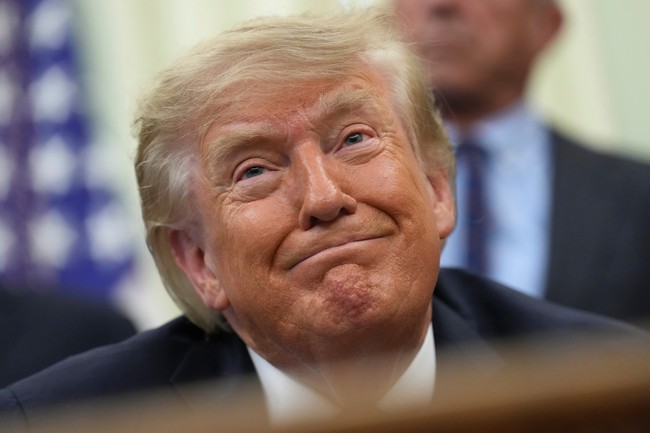
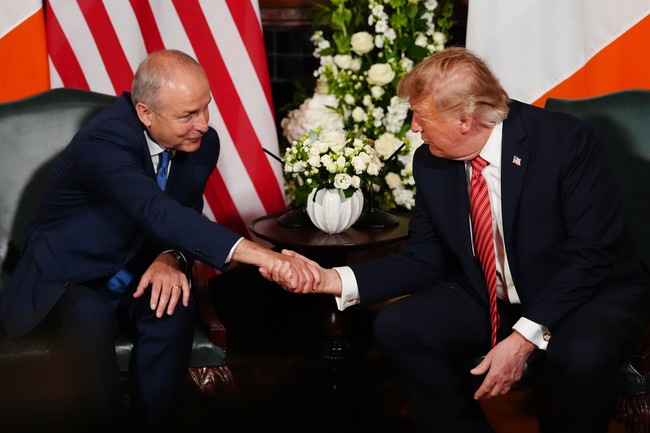
President Trump stated Saturday in Ireland that the Iran war will end "very soon" — specifically "right after election time," referring to US midterm elections in November. He also said Iran-backed Houthis have asked the US not to target them and that he does not intend to enter into conflict with the group. Trump accused Iran of "trying to hold out as long as they can to complicate the election." Oil prices retreated Friday on hopes of resumed negotiations but posted sharp weekly gains after exceeding $100 a barrel.
How the spectrum reads this story
The same event, summarised as five points on the political spectrum would each tend to frame it. These are generated by an AI model and are a starting point, not the last word.
Left
Trump's prediction that war will end after midterms appears designed to influence US elections rather than grounded in realistic assessment of a complex regional conflict. His claim that Houthis asked for restraint and his reluctance to confront them suggest capitulation to Iranian pressure and abandonment of regional allies. The timing conveniently benefits Trump politically while potentially emboldening adversaries. Real de-escalation requires sustained diplomacy and regional stability, not electoral calculation.
Center-left
Trump's confident prediction of a post-election resolution lacks credible basis given the conflict's complexity and Iran's stated refusal to surrender. His willingness to avoid confrontation with Houthis may reflect pragmatism about limited gains, but it risks appearing weak to allies like Saudi Arabia and raises questions about whether negotiations serve US interests or just domestic politics. Meaningful resolution requires genuine diplomatic engagement beyond election timelines.
Center
Trump's midterm-tied prediction is politically convenient but uncertain. The conflict involves multiple actors—Iran, Houthis, Saudi Arabia—with conflicting objectives that don't automatically resolve after November. His stated reluctance to fight Houthis reflects a calculus that engagement may cost more than it gains, which is reasonable, but the framing around elections invites skepticism. Oil markets respond cautiously, suggesting investors doubt quick resolution. Any de-escalation will likely depend on quiet negotiations rather than public timelines.
Center-right
Trump's assessment that the war can end soon reflects his dealmaking approach and desire to avoid costly regional entanglement. His communication with Houthis suggests diplomatic flexibility that previous administrations lacked. The focus on post-election resolution acknowledges reality—that major policy shifts require political mandate. However, sustained US presence may still be needed to reassure Saudi Arabia and protect vital shipping lanes. The key is achieving a stable settlement, not just ending hostilities on a calendar.
Right
Trump's confidence in ending the war reflects his commitment to avoiding endless foreign conflicts that drain resources and American lives. Direct communication with Houthis, rather than reflexive military posturing, is pragmatic statecraft. The assertion that Iran is stalling to influence US elections highlights adversary manipulation. Trump's reluctance to be drawn into Yemen reflects sound judgment that America shouldn't fight Saudi Arabia's wars. Restoring deterrence and then stepping back serves US sovereignty better than permanent military presence.
Hear two viewpoints debate it
Pick two viewpoints and Prism writes a short, six-turn exchange about this story in each one’s own voice — steel-manned, no winner declared. Each pairing is written once and then saved for every reader. The voices are AI syntheses of a tradition, not real people.
New pairing — Prism will write it now.
How each outlet covered it
Where Prism places each piece — not the outlet in general — with the words from that piece that put it there, and the photograph the outlet chose. Picking a photo is a framing decision too.
- DawnThis piece reads center-left
“Yet the facts on the ground belie this assumption”
FramingDirectly disputes Trump's claim by asserting observed reality contradicts it, whereas most outlets report his statement more neutrally.
Read the original - Bloombergnot ratedRead the original
 Straight Arrow NewsThis piece reads center-left
“Iranian president says 'we will never surrender”
FramingBalances Trump's optimism with Iranian defiance in the headline itself, whereas other outlets lead primarily with Trump's prediction.
Read the original- CNBCnot ratedRead the original
 RedStatenot rated
Word choiceEmphasizes internal Iranian instability and popular resistance through language of uprising, whereas other outlets focus on Trump's statements and military dimensions of the conflict.
Read the original- The American ConservativeThis piece reads right
“Iran War Day 197”
Word choiceUses a running counter format that emphasizes duration and ongoing nature of conflict, a framing device absent from other outlets.
Read the original 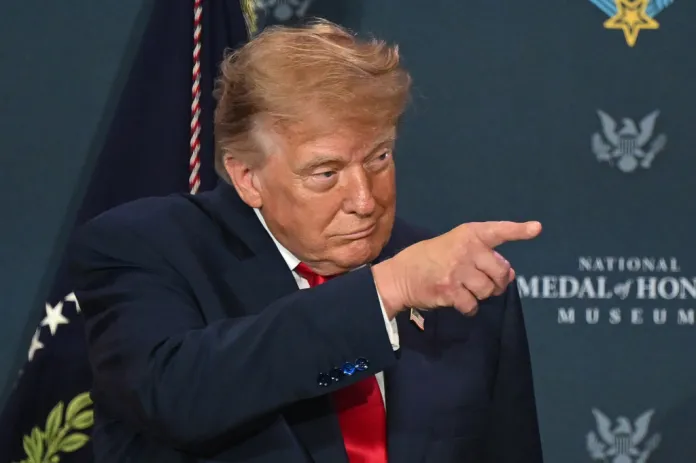 Washington Examinernot ratedRead the original
Placements are generated by an AI model from each article’s own headline and summary, and every quotation above is checked to be a real substring of that article before it is published. How this is done
Prism is free and carries no advertising. Support it if it was useful.