US to mediate trilateral peace talks between Russia and Ukraine in Abu Dhabi
Reported by
A dot shows how that piece reads — Prism rates articles, not outlets, and shows the words behind each placement below. No dot means the piece isn’t rated. How the ratings work
What happened
The account the coverage agrees on, with contested figures attributed rather than asserted. This is not one of the five framings below — it is the ground they all stand on.
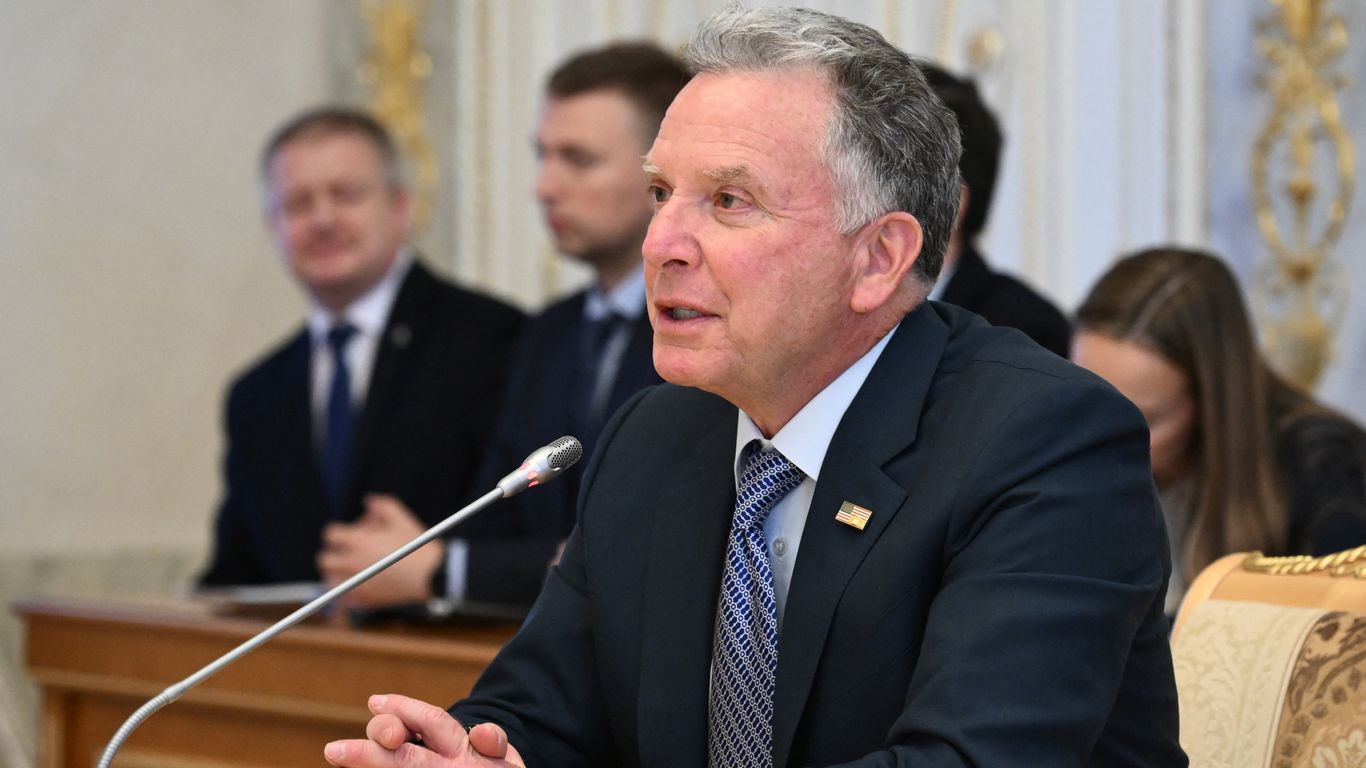
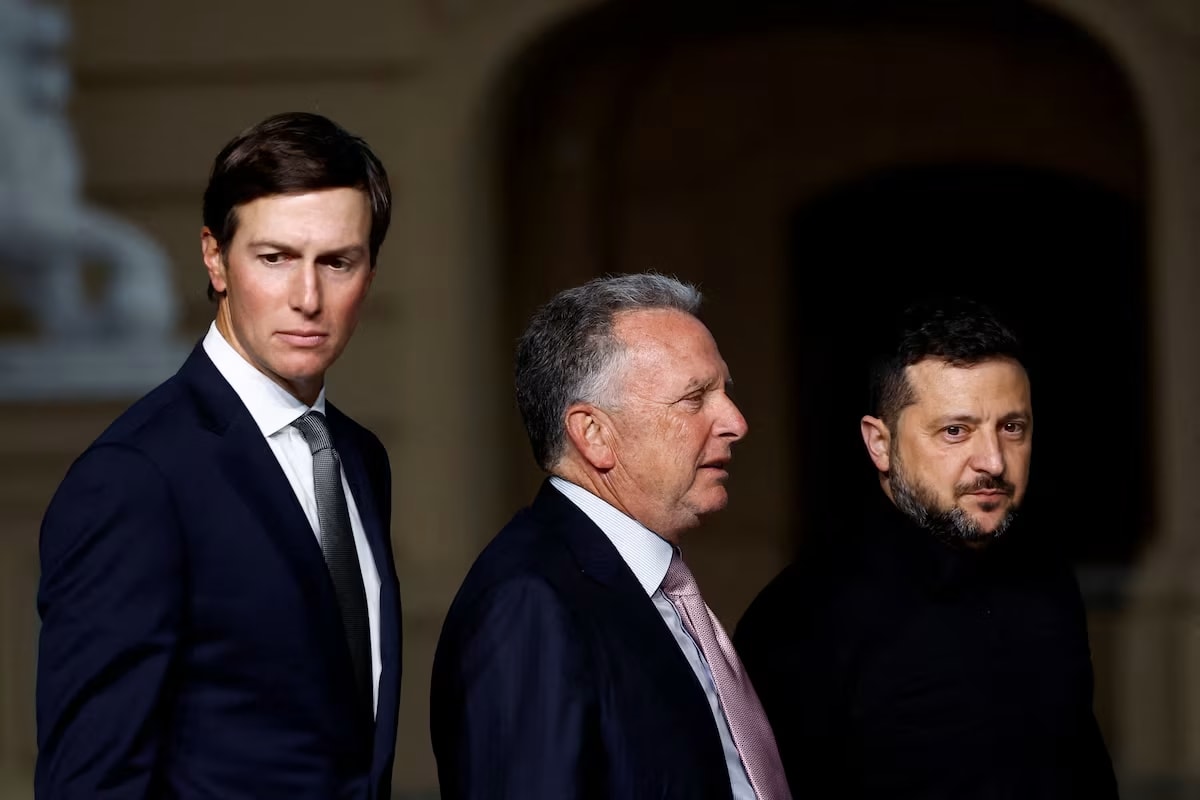
US envoy Steve Witkoff announced that the United States will mediate trilateral talks between delegations from Ukraine and Russia in Abu Dhabi on November 10-11. According to Witkoff, discussions will cover ending Moscow's war against Ukraine, post-war security agreements, de-escalation, and humanitarian measures. The meeting marks the resumption of diplomatic efforts; Axios reports the previous round was suspended in February due to the war in Iran. Witkoff's announcement followed talks he and Jared Kushner held with Ukrainian President Volodymyr Zelensky and Russian officials.
How the spectrum reads this story
The same event, summarised as five points on the political spectrum would each tend to frame it. These are generated by an AI model and are a starting point, not the last word.
Left
The US is attempting diplomacy to end an ongoing war of aggression by Russia against Ukraine. While negotiations are welcome, a durable peace must protect Ukraine's sovereignty and territorial integrity—not trade away either through pressure on Kyiv to accept unfavorable terms. The involvement of Trump envoys Witkoff and Kushner raises concerns about whether US interests, rather than Ukraine's security, will shape the outcome.
No article in this story reads this way. This is how the position tends to frame events like it — written by a model, not quoted from anyone.
Center-left
The US is restarting peace talks after months of stalled diplomacy, which is a positive step toward ending a devastating war. These discussions should aim for a negotiated settlement that respects Ukraine's sovereignty while creating sustainable security arrangements. The involvement of presidential envoys shows high-level commitment to diplomacy, though any agreement must be one Ukraine freely accepts.
No article in this story reads this way. This is how the position tends to frame events like it — written by a model, not quoted from anyone.
Center
After months without formal talks, the US is attempting to jumpstart diplomacy by bringing all parties to the table in a neutral venue. Success depends on whether both sides genuinely want a settlement and are willing to compromise. The talks themselves are neither a breakthrough nor a guarantee—they are a necessary step in a long process. Whether they lead anywhere will depend on what each side actually wants and what concessions they are prepared to make.
Drawn from 7 articles placed here, below.
Center-right
The US is taking a pragmatic diplomatic approach to a prolonged conflict by restarting talks that stalled in February. Peace negotiations require all parties to engage, and creating space for discussion is sensible. Any agreement must preserve Ukraine's ability to defend itself and maintain its independence, while also acknowledging the reality of the military situation on the ground and what settlements are actually achievable.
No article in this story reads this way. This is how the position tends to frame events like it — written by a model, not quoted from anyone.
Right
The US is pursuing diplomatic channels to end a costly, indefinite conflict, which is appropriate for American interests. While Ukraine's concerns matter, the US must also weigh the cost and duration of support against other priorities and domestic needs. Negotiations that lead to a ceasefire and a settlement—even one that involves territorial concessions—may be preferable to endless warfare, provided the agreement is stable and Ukraine retains meaningful sovereignty.
No article in this story reads this way. This is how the position tends to frame events like it — written by a model, not quoted from anyone.
Hear two viewpoints debate it
Pick two viewpoints and Prism writes a short, six-turn exchange about this story in each one’s own voice — steel-manned, no winner declared. Each pairing is written once and then saved for every reader. The voices are AI syntheses of a tradition, not real people.
New pairing — Prism will write it now.
How each outlet covered it
Where Prism places each piece — not the outlet in general — with the words from that piece that put it there, and the photograph the outlet chose. Picking a photo is a framing decision too.
- Al-MonitorThis piece reads center
“discuss ending Moscow's war against Ukraine, post-war security agreements and”
Read the original - AxiosThis piece reads center
“in an effort to reach a breakthrough on a deal for ending the war”
What's left outSpecifies that talks were suspended in February and attributes this to the war in Iran, providing temporal context other outlets omit.
Read the original  Financial TimesThis piece reads center
“Officials from Washington, Moscow and Kyiv will meet in Abu Dhabi next week”
Word choiceUses 'first talks' where other outlets say 'trilateral talks' or 'mediate'—emphasizes the resumption and magnitude of the gap in negotiations.
Read the original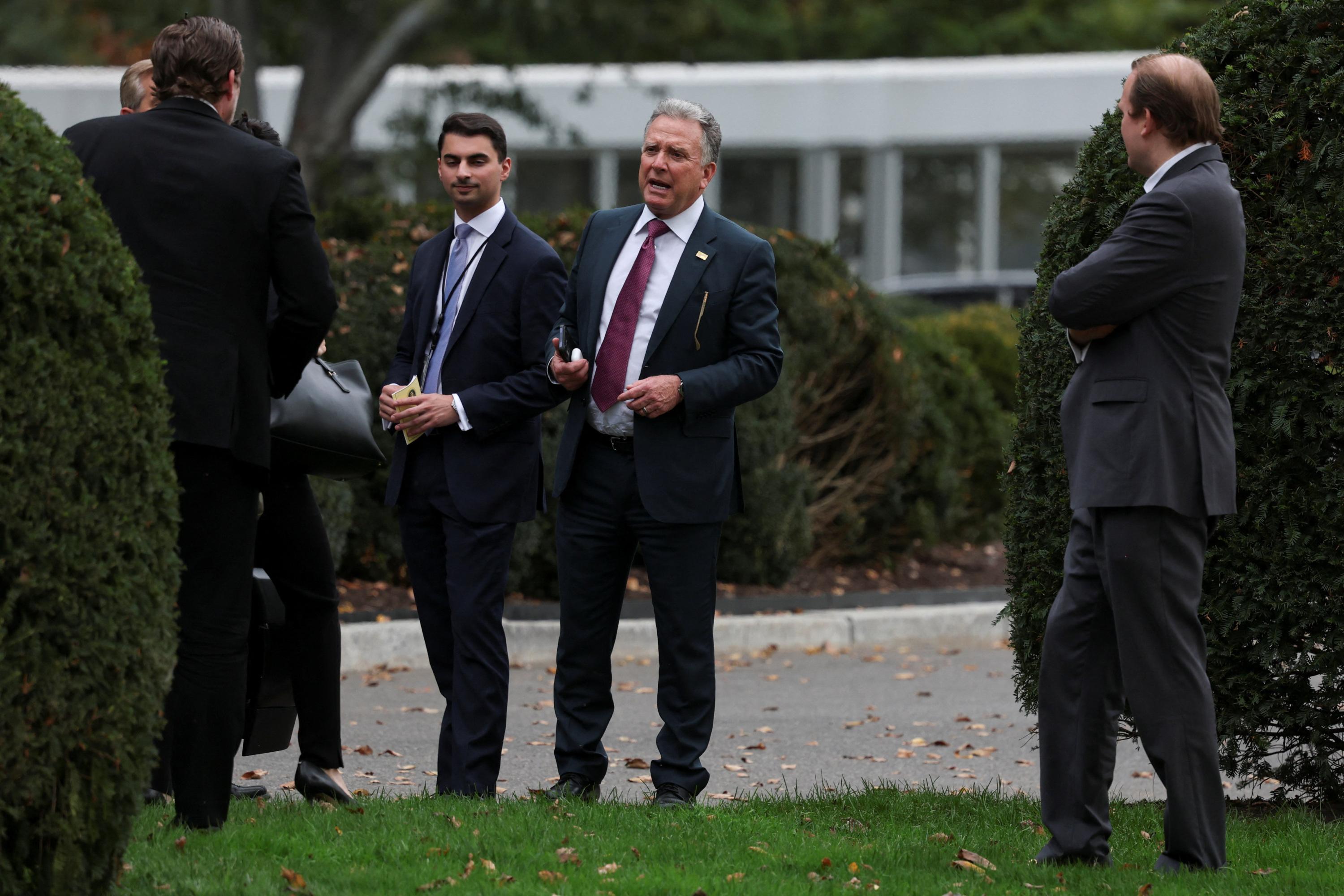 Le FigaroThis piece reads center
“médiation américaine porteront notamment sur la sécurité d'après-guerre et les”
Read the original- The Jerusalem PostThis piece reads center
“post-war security agreements, de-escalation, humanitarian measures, and ending”
Read the original 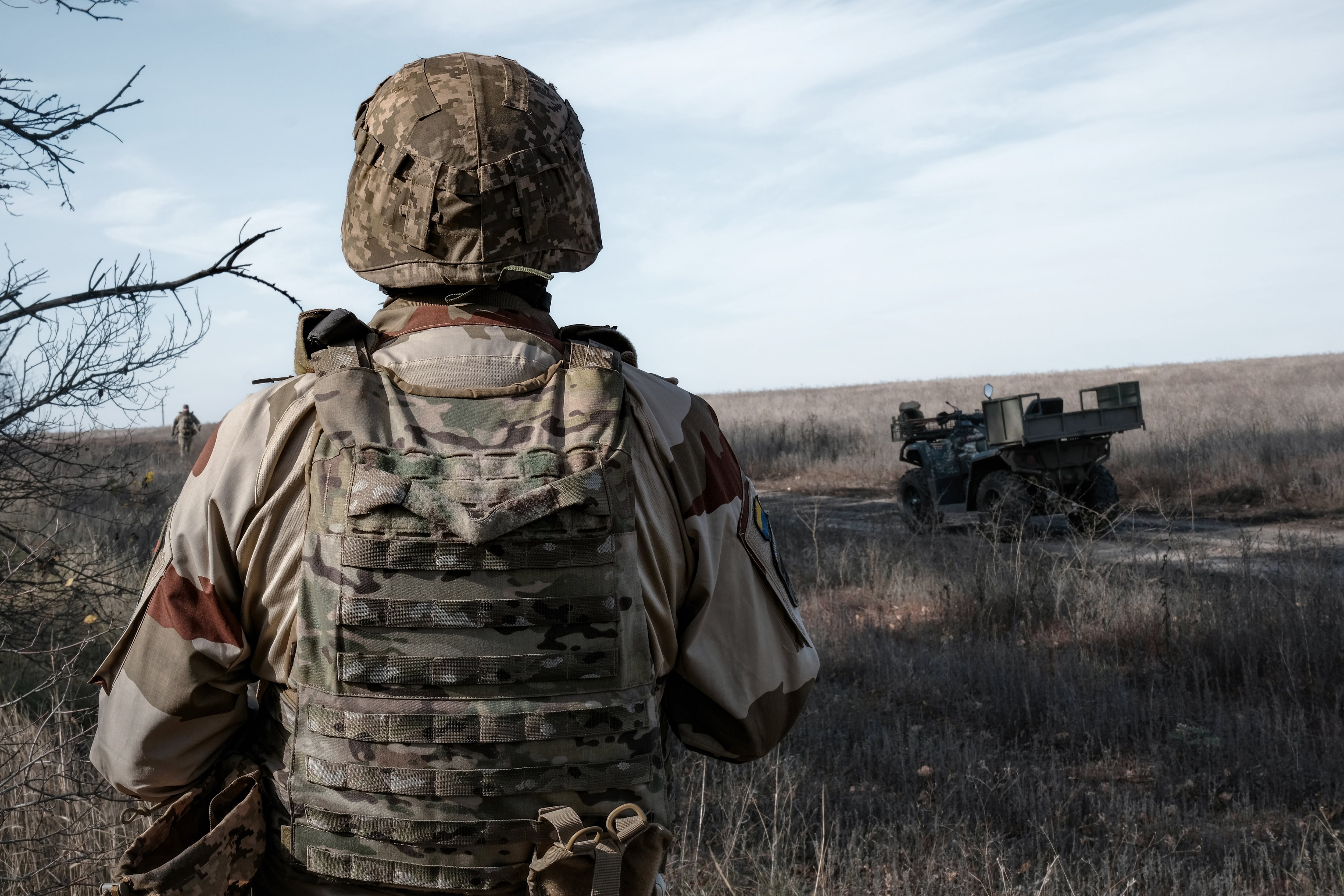 The NationalThis piece reads center
“Russia-Ukraine talks to take place in Abu Dhabi this month”
Read the original Israel National NewsThis piece reads center
“United States will mediate talks between Russian and Ukrainian representatives”
Read the original
Placements are generated by an AI model from each article’s own headline and summary, and every quotation above is checked to be a real substring of that article before it is published. How this is done
Prism is free and carries no advertising. Support it if it was useful.