Europe agrees to join US-brokered Ukraine talks in Abu Dhabi, defying Kremlin objections
Reported by
A dot shows how that piece reads — Prism rates articles, not outlets, and shows the words behind each placement below. No dot means the piece isn’t rated. How the ratings work
What happened
The account the coverage agrees on, with contested figures attributed rather than asserted. This is not one of the five framings below — it is the ground they all stand on.
European officials will attend talks on Ukraine this week in Abu Dhabi, France announced, in the first three-way negotiations involving the U.S., Russia, and Ukraine since February. French Foreign Minister Jean-Noël Barrot said Europeans would be "well represented" but did not name specific attendees. Semafor reports this marks the first direct negotiations in nine months, with experts cautioning major breakthroughs are unlikely.
Developing story · 3 chapters
- Trump meets with Russian envoy, predicts 'big agreement' on Ukraine with Russia
- Europe agrees to join US-brokered Ukraine talks in Abu Dhabi, defying Kremlin objectionsyou are here
- Russia and Ukraine to hold US-backed trilateral peace talks in Abu Dhabi with European participation despite Kremlin objections
How each side framed the previous chapter
Compare these with the five framings below to see what moved as the story developed — and what each side kept saying regardless.
Left
Trump's vague promises of a sweeping Ukraine deal brokered through secret talks with Putin's envoy raises serious concerns about what concessions Ukraine may be forced to accept. Involving Melania rather than seasoned diplomats and withholding details from the public suggests the administration is conducting major foreign policy negotiations without proper oversight or transparency. Any agreement that expands Putin's influence across Europe or legitimizes Russian territorial gains would represent a fundamental betrayal of Ukraine's sovereignty and Western alliance commitments.
Center-left
While diplomatic engagement with Russia is necessary, the lack of transparency around these White House talks is troubling. Trump's suggestion of a sweeping European settlement and his refusal to disclose what was discussed suggests the administration may be negotiating without clear consultation with Congress or European allies. Ukraine's interests must remain central to any agreement, and the public deserves to know what framework is being considered before it becomes policy.
Center
Trump is attempting to use diplomatic channels—including his wife's role—to broker an end to the Ukraine war, which aligns with his campaign promise to resolve the conflict quickly. However, the secretive nature of the talks and Trump's vague public statements create uncertainty about what he actually proposes and whether it reflects genuine progress or merely posturing. The success of any deal depends on whether Russia is negotiating in good faith and whether Ukraine's core interests are protected. Upcoming Abu Dhabi talks will be more revealing than Thursday's choreographed White House event.
Center-right
The Trump administration is pursuing direct engagement with Russia to negotiate an end to a costly conflict, which is a legitimate and necessary approach. The involvement of Melania Trump in securing a six-day ceasefire demonstrates that back-channel diplomacy can produce tangible results. While details remain limited, Trump's confidence in reaching a broader agreement suggests real progress is possible. European allies should welcome serious negotiation efforts rather than assuming worst intentions, and the administration should be given space to pursue diplomacy.
Right
Trump is taking decisive action to end the Ukraine war through direct negotiation with Russia, avoiding the failed approaches of previous administrations that prolonged the conflict. His willingness to pursue unconventional diplomacy—including using Melania's relationship-building—shows pragmatism and flexibility. Keeping negotiations confidential until agreements are reached is appropriate and prevents grandstanding or external interference. A settlement involving Europe's security architecture is sensible and could establish lasting peace rather than prolonging a war that benefits neither side.
How the spectrum reads this story
The same event, summarised as five points on the political spectrum would each tend to frame it. These are generated by an AI model and are a starting point, not the last word.
Left
The U.S. is brokering talks that exclude the Global South and sideline European voices in decisions about Ukraine's future. Europe's participation is welcome, but these negotiations risk legitimizing Russian military aggression by treating it as a matter for diplomatic haggling rather than addressing fundamental violations of international law and Ukrainian sovereignty. Real peace requires accountability for war crimes and full Ukrainian self-determination, not backroom deals.
No article in this story reads this way. This is how the position tends to frame events like it — written by a model, not quoted from anyone.
Center-left
Diplomacy is essential to ending the war, and expanding talks to include European representation strengthens the negotiating position. Europe's involvement ensures Western unity and prevents the U.S. from making concessions that undermine allied interests. These talks are a positive step, though skepticism about breakthroughs is warranted given the deep gulf between Russian and Ukrainian positions.
Drawn from 1 article placed here, below.
Center
The expansion of talks to include Europe alongside the U.S., Russia, and Ukraine is a procedural improvement—it brings more voices to the table and tests whether diplomatic channels remain open. The timing and limited expectations suggest both sides are willing to explore options without committing to major compromises. Whether this leads anywhere depends on whether the parties have actually shifted positions since February.
Drawn from 3 articles placed here, below.
Center-right
Including European allies in these talks is the right approach, ensuring that any settlement reflects Western interests and reinforces NATO solidarity. The U.S. is wisely involving partners rather than negotiating alone. That experts see little prospect of breakthrough is realistic; Russia has shown no willingness to abandon territorial gains. These talks are a reasonable diplomatic check, but should not distract from supporting Ukraine's defense.
Drawn from 1 article placed here, below.
Right
The U.S. should not mediate talks that pressure Ukraine toward concessions it doesn't want. Europe's involvement risks diluting American leverage and creating committees that slow decisions. If talks happen, they should be Ukraine's choice, not engineered by Washington. The U.S. should focus on supporting Ukrainian victory, not on diplomatic processes that sound productive but deliver nothing while the war continues.
No article in this story reads this way. This is how the position tends to frame events like it — written by a model, not quoted from anyone.
Hear two viewpoints debate it
Pick two viewpoints and Prism writes a short, six-turn exchange about this story in each one’s own voice — steel-manned, no winner declared. Each pairing is written once and then saved for every reader. The voices are AI syntheses of a tradition, not real people.
New pairing — Prism will write it now.
How each outlet covered it
Where Prism places each piece — not the outlet in general — with the words from that piece that put it there, and the photograph the outlet chose. Picking a photo is a framing decision too.
- NPRThis piece reads center-left
“defying Kremlin objections”
Word choiceExplicitly frames European attendance as opposition to Russia, emphasizing conflict rather than process. Other outlets report the event factually without characterizing it as defiance.
Read the original  Hindustan TimesThis piece reads center
“Europeans will join Ukraine talks in Abu Dhabi”
Read the original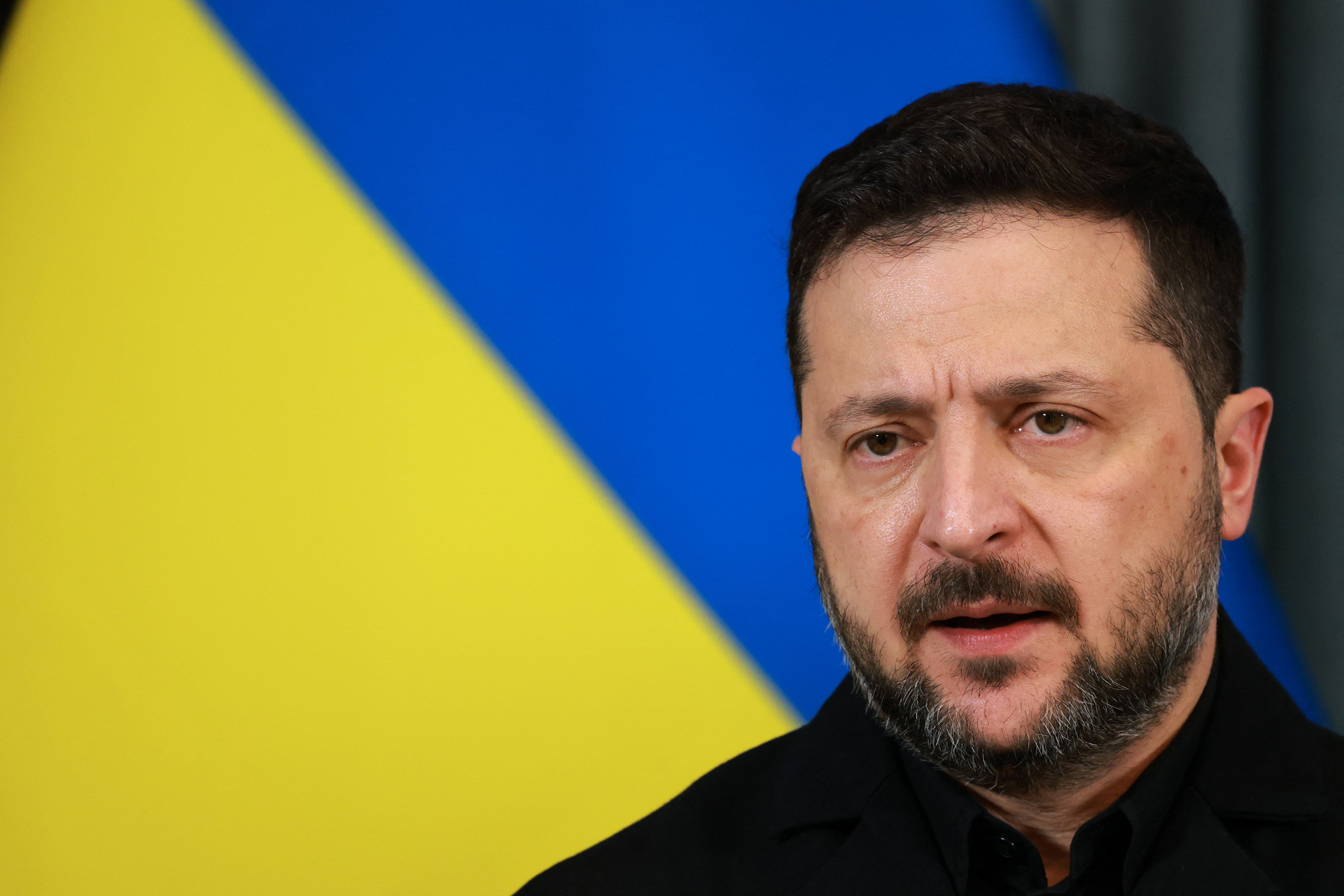 SemaforThis piece reads center
“unlikely to yield a major breakthrough”
FramingOpens with skepticism about outcomes, foregrounding expert caution. Other outlets report the talks are happening; Semafor leads with doubt about what they'll accomplish.
Read the original- BreitbartThis piece reads center-right
“Missile Strikes Ahead of Talks With Russia”
FramingLeads the talks story by leading with that day's casualties instead, placing military action in the headline while talks appear as context. Other outlets prioritize the diplomatic announcement itself.
Read the original
Placements are generated by an AI model from each article’s own headline and summary, and every quotation above is checked to be a real substring of that article before it is published. How this is done
Prism is free and carries no advertising. Support it if it was useful.