U.S. approves $2.1 billion sale of 500 Patriot air defense missiles to Ukraine
Reported by
A dot shows how that piece reads — Prism rates articles, not outlets, and shows the words behind each placement below. No dot means the piece isn’t rated. How the ratings work
What happened
The account the coverage agrees on, with contested figures attributed rather than asserted. This is not one of the five framings below — it is the ground they all stand on.
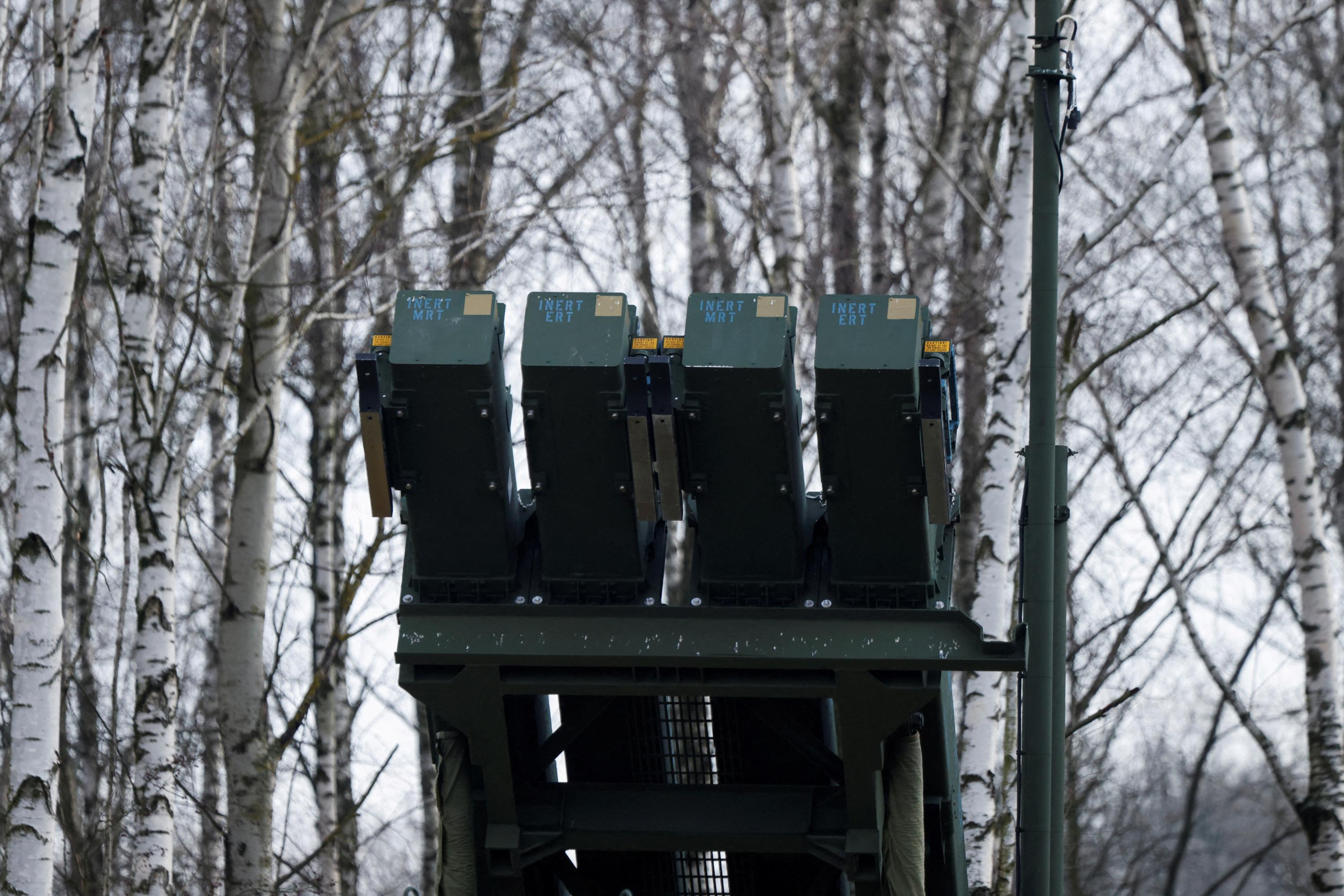
The U.S. State Department approved a sale of 500 PAC-3 Patriot air defense missiles to Ukraine, valued at $2.1 billion. Ukrainian President Volodymyr Zelenskyy had accused the Trump administration of delaying the weapons as relations between the countries deteriorated; Ukraine's government stated it had been waiting nearly a month for approval of the critical missile supplies.
How the spectrum reads this story
The same event, summarised as five points on the political spectrum would each tend to frame it. These are generated by an AI model and are a starting point, not the last word.
Left
The approval comes after the Trump administration delayed sending weapons Ukraine desperately needed for defense against Russian ballistic missiles. While the sale is welcome, it highlights how political tensions between Washington and Kyiv have jeopardized Ukraine's survival; deeper U.S. commitment and end to the war through negotiated settlement should be priorities rather than a piecemeal arms race that enriches defense contractors.
No article in this story reads this way. This is how the position tends to frame events like it — written by a model, not quoted from anyone.
Center-left
The U.S. has finally approved a crucial weapons package Ukraine needs to defend against Russian air attacks. However, the month-long delay is concerning, suggesting inconsistency in American support at a critical moment. The sale should proceed quickly, and the administration should clarify its long-term commitment to Ukraine's defense while working toward a durable diplomatic resolution.
Drawn from 2 articles placed here, below.
Center
Ukraine receives necessary air defense capability through this sale, which addresses a real military need against Russian missiles. The delay raises questions about coordination between departments or policy uncertainty, but the approval itself suggests the administration ultimately recognizes the strategic importance of Ukrainian defense. Both speed and substance matter: weapons help in the short term, but a sustainable approach requires clear, consistent policy.
Drawn from 4 articles placed here, below.
Center-right
The U.S. is appropriately providing Ukraine with critical defensive systems to counter Russian aggression. While the delay is regrettable, the approval demonstrates that practical security concerns ultimately prevail in policy decisions. America should remain a reliable ally, but the focus should stay on Ukraine's own defense capabilities and efforts to negotiate an end to the conflict rather than indefinite weapons transfers.
No article in this story reads this way. This is how the position tends to frame events like it — written by a model, not quoted from anyone.
Right
America is selling advanced weapons systems to Ukraine at enormous cost while managing its own defense needs. While Russia's missile attacks are real, the U.S. should prioritize restraint and diplomacy over escalating military involvement in a foreign conflict. The delay may have reflected appropriate caution about deepening entanglement; the sale itself warrants scrutiny about whether it serves American interests or primarily benefits defense manufacturers.
No article in this story reads this way. This is how the position tends to frame events like it — written by a model, not quoted from anyone.
Hear two viewpoints debate it
Pick two viewpoints and Prism writes a short, six-turn exchange about this story in each one’s own voice — steel-manned, no winner declared. Each pairing is written once and then saved for every reader. The voices are AI syntheses of a tradition, not real people.
New pairing — Prism will write it now.
How each outlet covered it
Where Prism places each piece — not the outlet in general — with the words from that piece that put it there, and the photograph the outlet chose. Picking a photo is a framing decision too.
 Financial TimesThis piece reads center-left
“Zelenskyy had accused Trump administration of delaying”
FramingEmphasizes the accusation of deliberate delay, whereas other outlets report the approval as the main event and note the wait as context.
Read the original- The Jerusalem PostThis piece reads center-left
“amid delayed missile deliveries”
FramingFrames the sale as occurring within a pattern of delays, putting it in the context of broader delivery problems rather than as a standalone approval.
Read the original 


Placements are generated by an AI model from each article’s own headline and summary, and every quotation above is checked to be a real substring of that article before it is published. How this is done
Prism is free and carries no advertising. Support it if it was useful.