Trump announces rollback of Biden-era methane emissions rules for oil and gas industry
Reported by
A dot shows how that piece reads — Prism rates articles, not outlets, and shows the words behind each placement below. No dot means the piece isn’t rated. How the ratings work
What happened
The account the coverage agrees on, with contested figures attributed rather than asserted. This is not one of the five framings below — it is the ground they all stand on.
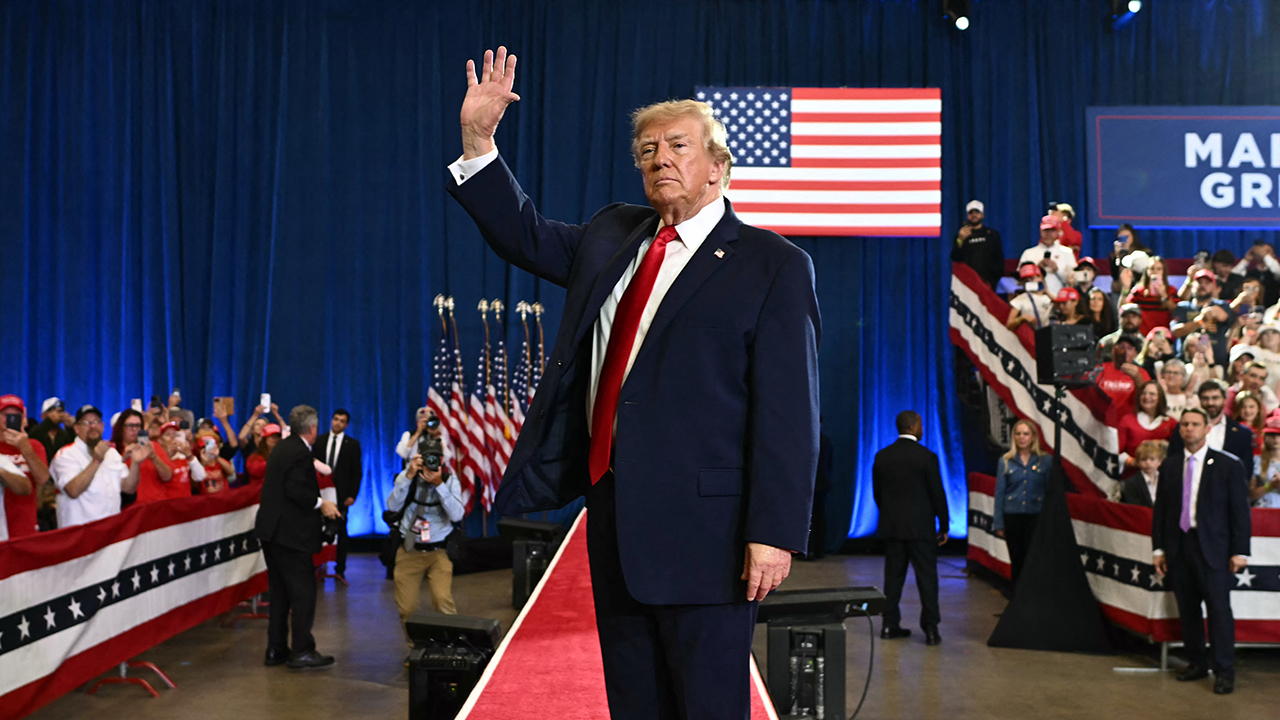
President Trump announced Tuesday evening that his administration will terminate Biden-era methane emissions regulations for oil and gas drilling. Trump claimed the rollback would save $45 billion and unlock 210 million barrels of oil. The EPA proposal removes strict limits on methane leaks from drilling operations. Critics warned of climate consequences, while Trump said the move addresses rising energy costs ahead of midterm elections.
How the spectrum reads this story
The same event, summarised as five points on the political spectrum would each tend to frame it. These are generated by an AI model and are a starting point, not the last word.
Left
Trump is dismantling critical climate protections to appease the fossil fuel industry, gambling with planetary stability for short-term political gain. Methane is an enormously potent greenhouse gas, and removing accountability for leaks accelerates the climate crisis. The claimed savings are a fiction designed to justify gutting environmental safeguards that protect public health. This betrayal of our climate obligations to corporate polluters shows why systemic change is essential—regulatory capture ensures the powerful always win.
No article in this story reads this way. This is how the position tends to frame events like it — written by a model, not quoted from anyone.
Center-left
Rolling back methane regulations abandons hard-won progress on climate change for a political calculation about gas prices. These Obama-era rules represented a reasonable balance between industry competitiveness and environmental responsibility. While energy costs matter to voters, surrendering the regulations entirely rather than negotiating a middle ground surrenders leverage we won't get back. The climate risks are real and long-term, while the promised savings remain speculative.
Drawn from 2 articles placed here, below.
Center
Trump faces a genuine trade-off: energy costs pressure voters, yet methane regulations serve a real environmental purpose. The $45 billion savings claim needs scrutiny—what's the actual breakdown, and how reliable is it? Similarly, critics' climate warnings deserve serious evaluation rather than dismissal. The better path would be targeted reforms that address legitimate cost concerns without wholesale elimination: perhaps longer compliance timelines or sector-specific adjustments. Abandoning the rules entirely suggests neither side of this debate is serious about finding workable compromise.
Drawn from 1 article placed here, below.
Center-right
Rising energy costs hurt working families and damage the economy, and regulations that inflate them deserve reconsideration. The methane rules, while well-intentioned, impose compliance costs that energy producers pass to consumers. Trump's approach prioritizes economic relief and energy independence through domestic production—legitimate goals. However, the complete termination of all rules invites a backlash and future reversal; a more defensible position would reform regulations to remove unnecessary burdens while preserving reasonable environmental standards both parties could accept.
Drawn from 1 article placed here, below.
Right
Biden's methane regulations exemplified government overreach that strangled American energy production and inflated costs for ordinary people. Trump is correctly freeing the industry from bureaucratic shackles that served no purpose but to enrich green activists and line lawyers' pockets. Unlocking 210 million barrels of oil and saving $45 billion directly helps American consumers and workers. Energy independence requires removing the regulatory obstacles progressives erected, and Trump's action restores common sense to energy policy.
No article in this story reads this way. This is how the position tends to frame events like it — written by a model, not quoted from anyone.
Hear two viewpoints debate it
Pick two viewpoints and Prism writes a short, six-turn exchange about this story in each one’s own voice — steel-manned, no winner declared. Each pairing is written once and then saved for every reader. The voices are AI syntheses of a tradition, not real people.
New pairing — Prism will write it now.
How each outlet covered it
Where Prism places each piece — not the outlet in general — with the words from that piece that put it there, and the photograph the outlet chose. Picking a photo is a framing decision too.
- EuronewsThis piece reads center-left
“seeking to lower energy costs ahead of next week's midterm elections”
FramingFrames the rollback primarily as a political tactic tied to upcoming elections, emphasizing Trump's electoral motivation rather than leading with the policy change itself.
Read the original 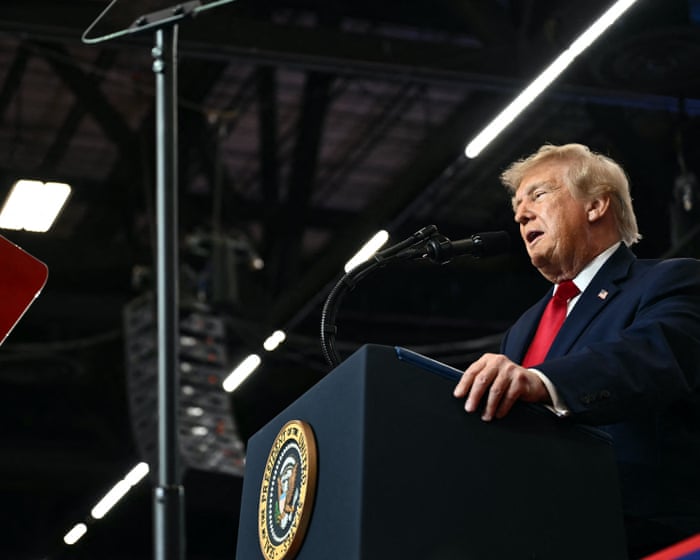 The GuardianThis piece reads center-left
“Critics warn of climate danger”
FramingEmphasizes the regulatory purpose—accountability for leaks—rather than the compliance burden, framing the rules as a safeguard against corporate negligence.
Read the original- Fox BusinessThis piece reads center
“Trump announces end of Biden-era methane rule, citing $45B in savings”
Read the original - Washington Free BeaconThis piece reads center-right
“Could Save Americans $45 Billion in Energy Costs”
Word choiceUses 'gutting,' a loaded term suggesting destruction, whereas Fox Business and others state the action more neutrally as 'end' or 'rollback.'
Read the original
Placements are generated by an AI model from each article’s own headline and summary, and every quotation above is checked to be a real substring of that article before it is published. How this is done
Prism is free and carries no advertising. Support it if it was useful.