US and Israel prepare to resume strikes on Iran after midterm elections
Reported by
A dot shows how that piece reads — Prism rates articles, not outlets, and shows the words behind each placement below. No dot means the piece isn’t rated. How the ratings work
What happened
The account the coverage agrees on, with contested figures attributed rather than asserted. This is not one of the five framings below — it is the ground they all stand on.
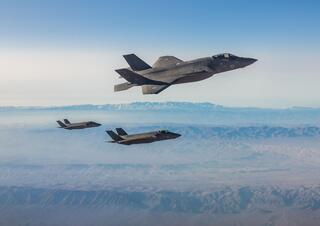
The U.S. and Israel have drawn up plans for renewed military strikes on Iran targeting nuclear, energy, and military facilities, to occur after U.S. midterm elections on November 3, according to reporting by The New York Times cited across multiple outlets. The White House stated Thursday it will not resume attacks before the election. Trump has said the U.S. and Israel will "finish the job" unless Iran changes course. Meanwhile, Middle East mediators are attempting to revive diplomatic talks to avert strikes, and the U.S. is moving an additional aircraft carrier to the region.
How the spectrum reads this story
The same event, summarised as five points on the political spectrum would each tend to frame it. These are generated by an AI model and are a starting point, not the last word.
Left
The U.S. and Israel are preparing for fresh military escalation against Iran timed to political convenience rather than genuine security need. This reveals how militarism drives American foreign policy regardless of consequences: renewed strikes would devastate civilians, destroy infrastructure, and destabilize the region further. The timing—after elections, not before—exposes that strategic calculations matter more than honest public debate. Diplomacy remains available but takes a back seat to military planning. This cycle of aggression and retaliation serves the interests of defense contractors and hardliners on all sides, not ordinary people.
No article in this story reads this way. This is how the position tends to frame events like it — written by a model, not quoted from anyone.
Center-left
Military planners preparing contingency strikes makes sense given genuine security concerns, but the timing and scale raise questions about whether the administration is managing escalation responsibly. Diplomatic efforts deserve serious resources and time before military options are exercised. The human cost to displaced Israelis and Iranians alike demands that leaders exhaust non-military solutions first. Public input on such consequential decisions matters, and the constraint on attacks before elections reflects appropriate caution about military choices and electoral politics mixing. Sustained diplomacy could still prevent this cycle from repeating.
Drawn from 1 article placed here, below.
Center
Both military readiness and diplomatic efforts are underway simultaneously—a pragmatic hedging of bets. The U.S. and Israel plainly have legitimate concerns about Iranian capabilities, which justifies planning for contingencies. Yet restraint before the election shows political judgment about not widening war during a campaign. The genuine problem is that neither side fully trusts the other enough to de-escalate confidently. Mediators attempting talks is the right move; so is keeping military options prepared if talks fail. The challenge is managing this balance without letting either track undermine the other.
Drawn from 3 articles placed here, below.
Center-right
The U.S. and Israel must maintain credible military capability to deter Iranian aggression and protect regional stability. Planning for renewed strikes if diplomacy fails is responsible defense strategy. Iran has repeatedly violated agreements and threatened American partners; strength and readiness matter. Holding strikes until after elections shows respect for American democratic processes. The administration is right to keep diplomatic channels open while preparing military contingencies. However, if Iran refuses reasonable terms, hesitation to act would only invite further aggression and undermine deterrence.
Drawn from 2 articles placed here, below.
Right
After months of Iranian attacks, American and Israeli restraint has only invited further provocation. The enemy must understand that aggression carries real costs, and military readiness is the language Iran understands. Delaying strikes until after elections is a reasonable nod to democratic timing, but no more delay is warranted beyond that. Diplomatic talks are worth attempting, but Iran has shown bad faith repeatedly. The U.S. must back Israeli strength and not be afraid to use force decisively when American interests are at stake. Enemies exploit perceived weakness.
No article in this story reads this way. This is how the position tends to frame events like it — written by a model, not quoted from anyone.
Hear two viewpoints debate it
Pick two viewpoints and Prism writes a short, six-turn exchange about this story in each one’s own voice — steel-manned, no winner declared. Each pairing is written once and then saved for every reader. The voices are AI syntheses of a tradition, not real people.
New pairing — Prism will write it now.
How each outlet covered it
Where Prism places each piece — not the outlet in general — with the words from that piece that put it there, and the photograph the outlet chose. Picking a photo is a framing decision too.
 Truthoutnot rated
FramingEmphasizes "restart" and "major operations" language that frames this as resumption of existing conflict, while also citing polling showing voters view the prior Iran war as a mistake—pairing factual reporting with public opinion that colors the reader's view.
Read the original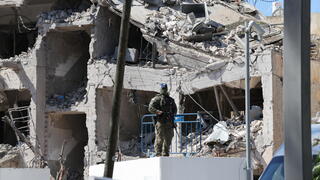 YnetnewsThis piece reads center-left
“displaced residents describe uncertainty, inadequate assistance and fears”
Read the original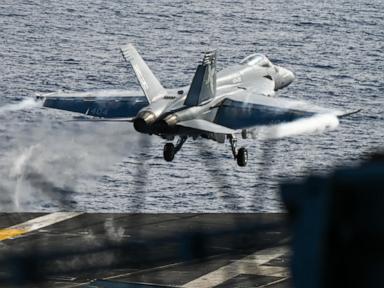 ABC Newsnot ratedRead the original
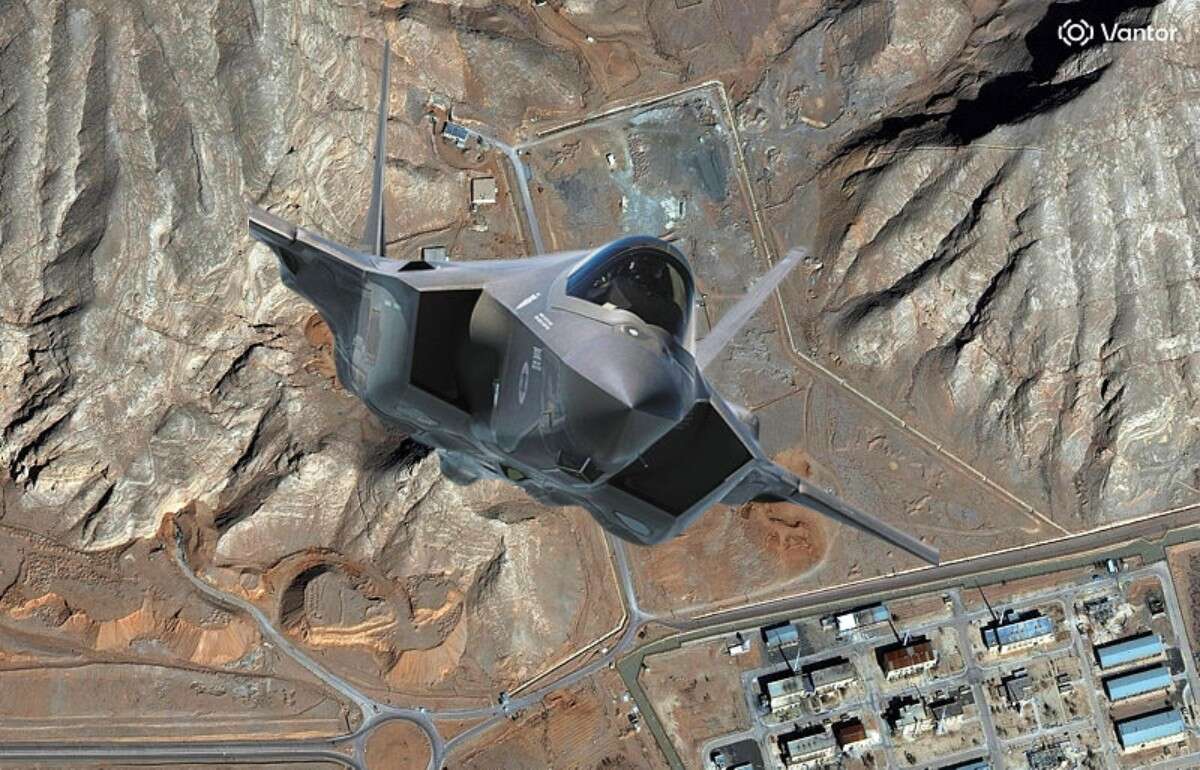 Deseret NewsThis piece reads center
“Mediators push for diplomatic breakthrough to avert US strikes”
Read the original- The American ConservativeThis piece reads center-right
“Iran War Day 237”
Word choiceUses military countdown framing that establishes an ongoing conflict, whereas other outlets describe this as planning for future strikes—a rhetorical choice that presumes continuous warfare rather than discrete events.
Read the original  Foreign PolicyThis piece reads center-right
“Netanyahu Calls on Israel to Overthrow Iranian Regime”
Read the original
Placements are generated by an AI model from each article’s own headline and summary, and every quotation above is checked to be a real substring of that article before it is published. How this is done
Prism is free and carries no advertising. Support it if it was useful.