Iran threatens geographically unrestricted retaliation if US launches new attacks
Reported by
A dot shows how that piece reads — Prism rates articles, not outlets, and shows the words behind each placement below. No dot means the piece isn’t rated. How the ratings work

What happened
The account the coverage agrees on, with contested figures attributed rather than asserted. This is not one of the five framings below — it is the ground they all stand on.
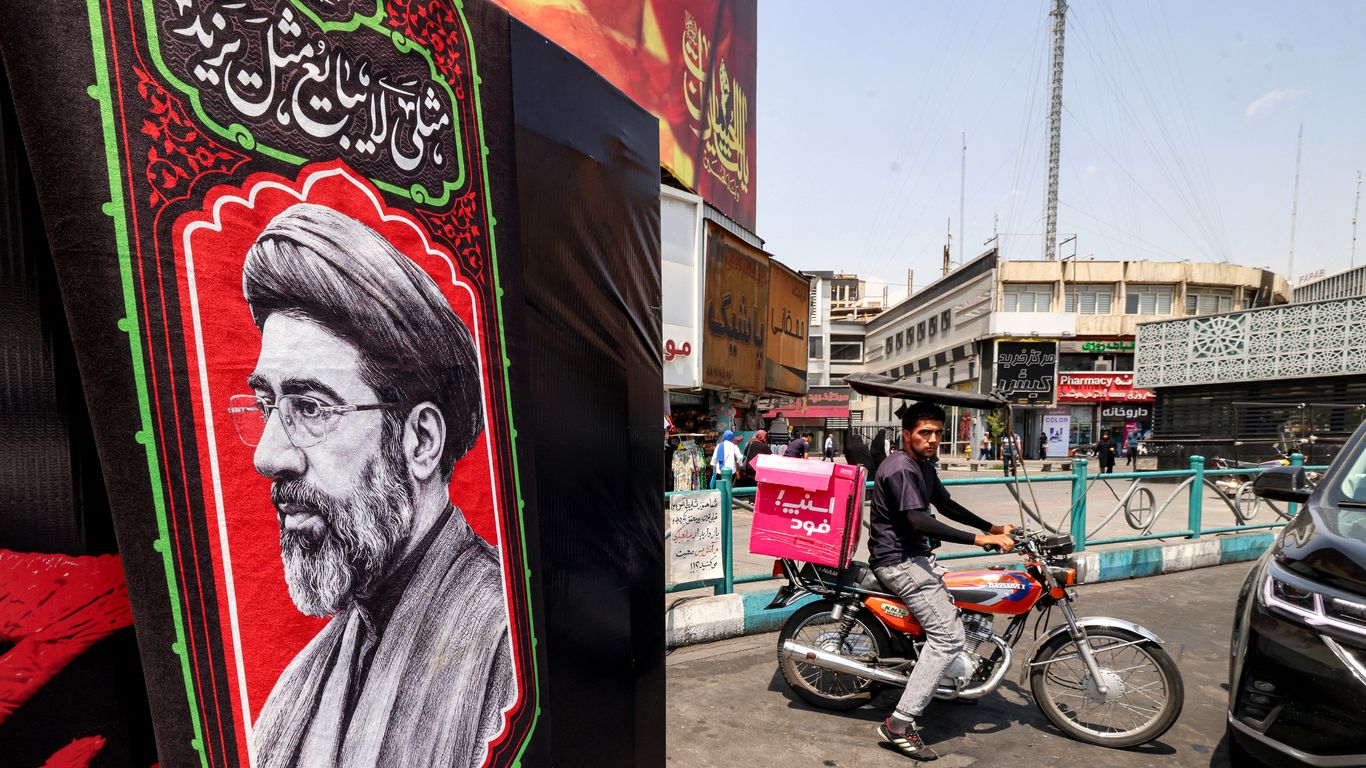
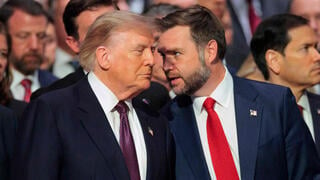
Iran's Supreme Leader Mojtaba Khamenei ordered the country's military leadership to respond to any U.S. or Israeli attack with an "immediate and effective response, without geographical limitations," according to his office on October 31. An Iranian army spokesman said a potential new war could last longer than previous conflict and Trump would not dictate its timing or conclusion. Meanwhile, Vice President JD Vance sent a letter to Mohsen Rezaei, a powerful ally of Iran's supreme leader, in a bid to revive negotiations, the Wall Street Journal reported. Iranian negotiators held a third consecutive day of talks with Qatari mediators in Doha on Sunday aimed at ending the conflict. Trump said he still had to "take care" of more targets, and the U.S. warned Gulf states to prepare for possible new military operations.
How the spectrum reads this story
The same event, summarised as five points on the political spectrum would each tend to frame it. These are generated by an AI model and are a starting point, not the last word.
Left
The U.S. and Israel's threats of renewed strikes are driving escalation toward a wider war that would devastate the region and draw in more powers. Iran's warnings about a longer conflict and unrestricted response are defensive posturing in the face of American pressure. The fact that diplomacy is happening at all—through Qatar and now via Vance's letter—suggests a path away from conflict exists, but only if Washington stops threatening military action and negotiates seriously. Instead, Trump is keeping open the threat of new strikes even as talks proceed, a contradictory posture that undermines de-escalation efforts.
No article in this story reads this way. This is how the position tends to frame events like it — written by a model, not quoted from anyone.
Center-left
The situation reflects a dangerous cycle of threat and counter-threat that risks uncontrolled escalation. Iran's warning of a longer war and geographically unrestricted response should be taken seriously, but so should the possibility of negotiation—Vance's letter and ongoing Qatari-mediated talks show both sides exploring off-ramps. The timing around the U.S. midterm elections adds urgency and political complexity. The U.S. should pursue diplomacy as the primary track while maintaining security posture, not the reverse. Threats of further strikes complicate negotiations and increase the risk of miscalculation.
No article in this story reads this way. This is how the position tends to frame events like it — written by a model, not quoted from anyone.
Center
Both sides are escalating rhetoric while simultaneously exploring diplomatic channels, a contradiction that reflects genuine uncertainty about how this conflict ends. Iran's military threats are consistent with its past behavior and should be monitored, but the presence of Qatari mediation and now a direct letter from the U.S. vice president suggests neither side wants unlimited war. Trump's public threats may be negotiating leverage, though they create risks if misread. The midterm elections appear to be affecting the timeline and tone. All parties seem to be hedging—preparing for worse while hoping for negotiated settlement—which is a precarious balance.
Drawn from 2 articles placed here, below.
Center-right
Iran continues to issue maximalist threats while the U.S. keeps options on the table. Khamenei's order for an unrestricted response without geographical limits is an escalatory move that cannot be ignored; it suggests Iran may target American allies or interests beyond the immediate region. The Trump administration is right to prepare Gulf states and hold the threat of strikes in reserve—this is leverage for negotiation. Vance's diplomatic outreach is sensible but should not signal weakness or willingness to back down from enforcing red lines. Iran has repeatedly used negotiations as cover for continued military planning, so caution is warranted.
Drawn from 2 articles placed here, below.
Right
Iran is using diplomatic talks as a stalling tactic while preparing broader military operations in new theaters, as evidenced by IRGC announcements about identifying targets beyond the Middle East. Khamenei's order for an unrestricted response shows Iran is not serious about de-escalation—it is doubling down. The Biden-Vance administration's letter and willingness to negotiate signals weakness that Iran will exploit. Trump should reject negotiations until Iran fundamentally changes its behavior and abandons its nuclear program. The only language Iran understands is strength and the credible threat of force.
No article in this story reads this way. This is how the position tends to frame events like it — written by a model, not quoted from anyone.
Hear two viewpoints debate it
Pick two viewpoints and Prism writes a short, six-turn exchange about this story in each one’s own voice — steel-manned, no winner declared. Each pairing is written once and then saved for every reader. The voices are AI syntheses of a tradition, not real people.
New pairing — Prism will write it now.
How each outlet covered it
Where Prism places each piece — not the outlet in general — with the words from that piece that put it there, and the photograph the outlet chose. Picking a photo is a framing decision too.
 Axiosnot ratedRead the original
- Dawnnot ratedRead the original
- Al-Monitornot ratedRead the original
- CNBCnot ratedRead the original
- Euronewsnot rated
Word choiceDescribes Iran's stance as potentially pre-emptive rather than defensive, shifting the characterization from reactive to potentially initiating.
Read the original 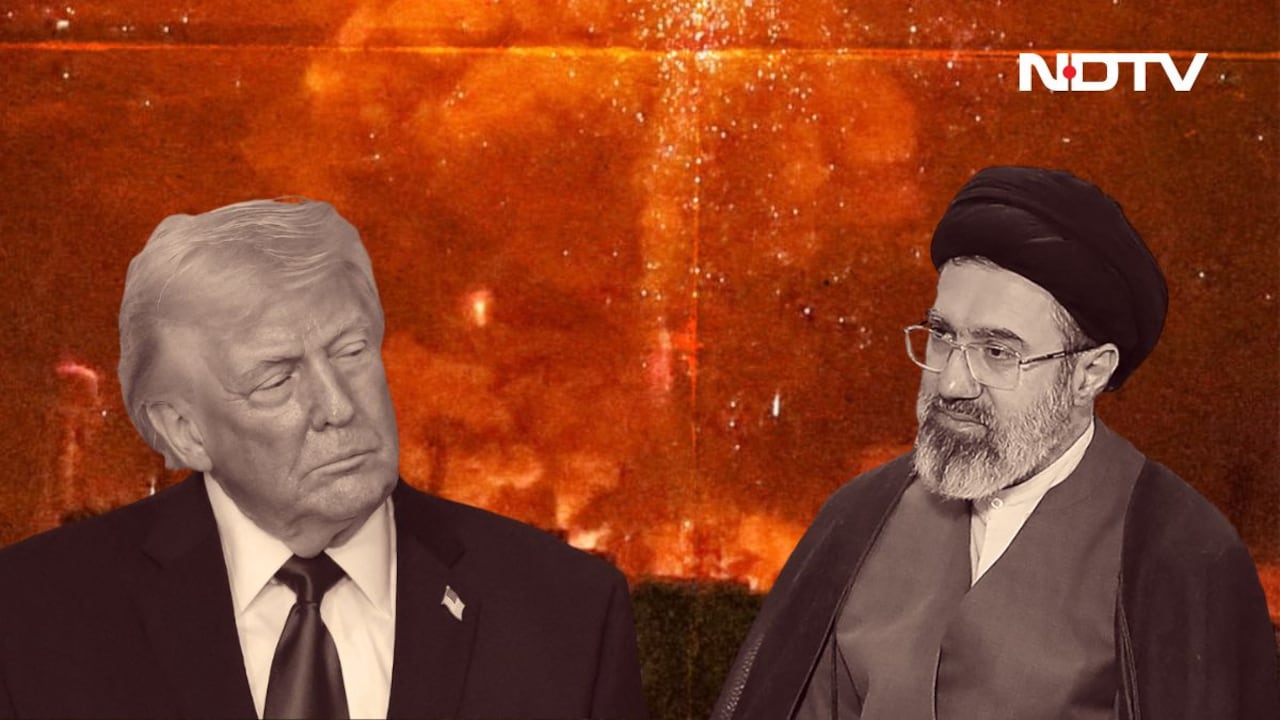
 Israel HayomThis piece reads center-right
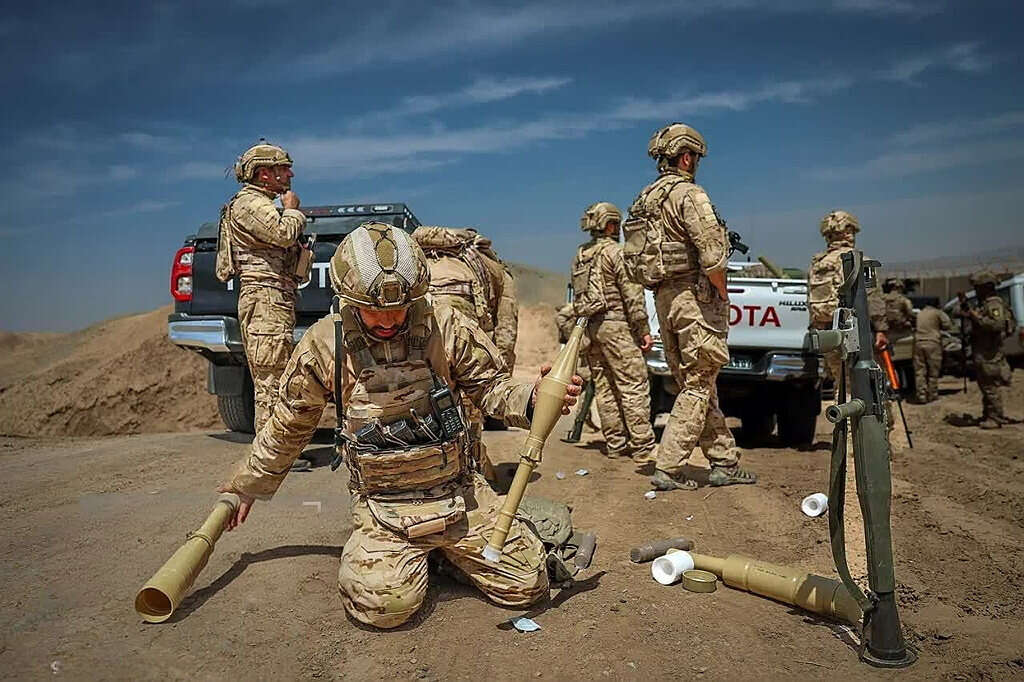
“threatens to expand war beyond Middle East”
FramingEmphasizes IRGC announcements of planning in new geographic theaters as expansion of war to new areas; other outlets focus more on Iran's defensive warning of an unrestricted response if attacked.
Read the original Straight Arrow NewsThis piece reads center-right
“geographically unrestricted' response”
Read the original- The American Conservativenot ratedRead the original
Placements are generated by an AI model from each article’s own headline and summary, and every quotation above is checked to be a real substring of that article before it is published. How this is done
Prism is free and carries no advertising. Support it if it was useful.