Death row inmate Christa Pike speaks out after failed execution, describes pain
Reported by
A dot shows how that piece reads — Prism rates articles, not outlets, and shows the words behind each placement below. No dot means the piece isn’t rated. How the ratings work
ABC News
What happened
The account the coverage agrees on, with contested figures attributed rather than asserted. This is not one of the five framings below — it is the ground they all stand on.
Christa Pike, 50, made her first public statement a month after surviving a lethal injection execution in Tennessee on September 30. She received two doses of pentobarbital during the failed execution. In a statement released by her attorneys on Friday, Pike said she remains in constant physical pain—her body, arms, hands, and throat hurt and she struggles to speak—and described pain in her mind and soul. She blamed the execution's failure on "incompetence" and said she had been prepared to die but woke up alone and confused in a hospital bed, never having contemplated life beyond her execution date.
How the spectrum reads this story
The same event, summarised as five points on the political spectrum would each tend to frame it. These are generated by an AI model and are a starting point, not the last word.
Left
Pike's survival exposes the brutal reality of capital punishment: the state attempted to kill her and failed, leaving her in severe pain and psychological trauma. This incident demonstrates that execution methods are inherently inhumane and unreliable, strengthening the case that the death penalty itself is cruel and cannot be administered humanely. Her statement underscores why capital punishment should be abolished entirely—no system of state killing can guarantee dignity or prevent suffering.
No article in this story reads this way. This is how the position tends to frame events like it — written by a model, not quoted from anyone.
Center-left
Pike's failed execution raises serious concerns about whether lethal injection can be administered humanely and reliably. Her ongoing pain and distress a month later illustrate the human cost of execution failures. While respecting legal processes, this case suggests executions require far stricter safeguards, better training, and oversight. It strengthens arguments for reconsidering capital punishment or at minimum ensuring any executions meet constitutional standards against cruel and unusual punishment.
No article in this story reads this way. This is how the position tends to frame events like it — written by a model, not quoted from anyone.
Center
Pike's survival and subsequent statement presents a genuine constitutional and practical problem: if a state carries out a legal death sentence, it has an obligation to do so competently and without inflicting unnecessary suffering. Her case reveals procedural failures that deserve investigation and correction. However, this is a discrete problem with execution protocols—training, equipment, procedure—not necessarily an argument against capital punishment itself. The focus should be on accountability for what went wrong and systemic improvements.
Drawn from 10 articles placed here, below.
Center-right
Pike was convicted of murder and sentenced to death through proper legal channels. Her survival was an execution failure, not an acquittal or overturning of her sentence. While her physical suffering is regrettable, the solution is improved execution protocols and professional standards, not abolishing capital punishment. The state has a responsibility to carry out lawful sentences competently. Her case should prompt investigation into what went wrong operationally, with accountability and retraining where needed.
Drawn from 2 articles placed here, below.
Right
Pike survived a lawful execution that the courts ordered. She was sentenced to death for murdering a classmate in 1995. Rather than dwelling on the discomfort of a failed procedure, the focus should be on carrying out the sentence as intended. Execution is not meant to be comfortable—it is punishment for a serious crime. The real failure here is allowing one botched attempt to become grounds for endless legal delays. The state should complete its lawful duty efficiently.
No article in this story reads this way. This is how the position tends to frame events like it — written by a model, not quoted from anyone.
Hear two viewpoints debate it
Pick two viewpoints and Prism writes a short, six-turn exchange about this story in each one’s own voice — steel-manned, no winner declared. Each pairing is written once and then saved for every reader. The voices are AI syntheses of a tradition, not real people.
New pairing — Prism will write it now.
How each outlet covered it
Where Prism places each piece — not the outlet in general — with the words from that piece that put it there, and the photograph the outlet chose. Picking a photo is a framing decision too.
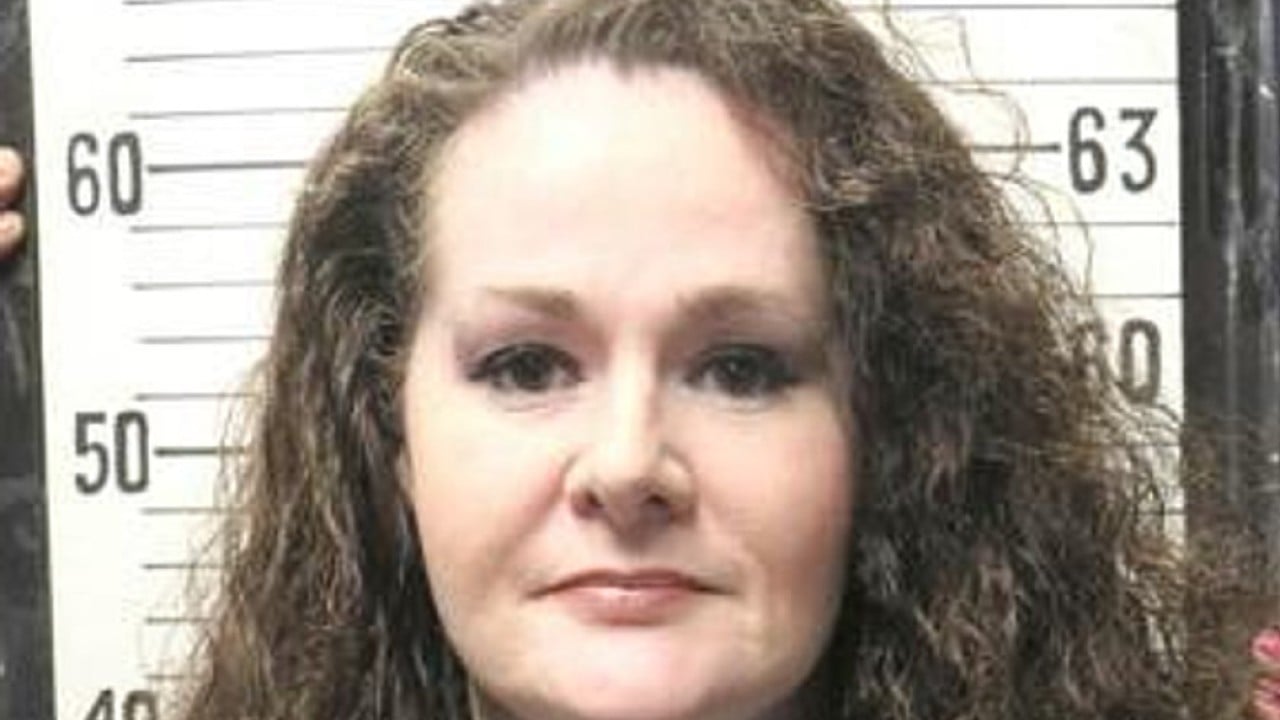 South China Morning Postnot ratedRead the original
 Straight Arrow NewsThis piece reads center
“spoke out for the first time since her failed execution”
Read the original NewsNationThis piece reads center
“Pike received two lethal doses of pentobarbital during the botched execution”
Read the original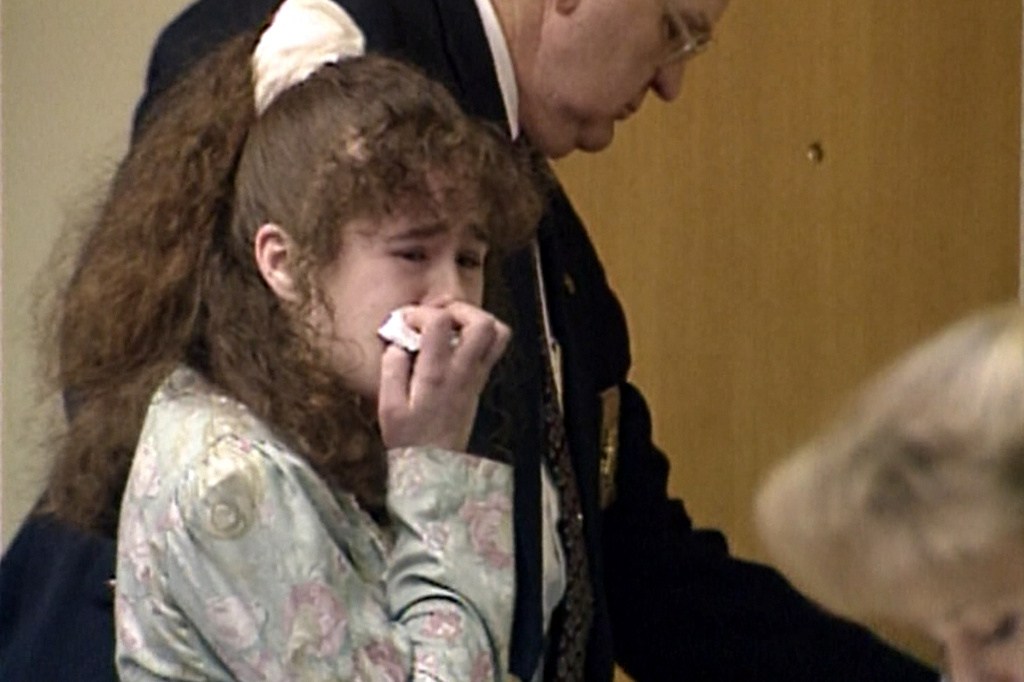 Washington ExaminerThis piece reads center
“survived lethal injections in Tennessee last month”
Read the original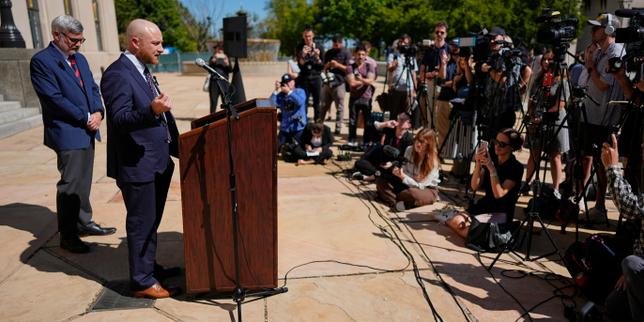 Le MondeThis piece reads center
“Pike survived two doses of pentobarbital on September 30”
Read the original
 ABC NewsThis piece reads center
“recovering" but had been "deeply hurt by the incompetence”
Read the original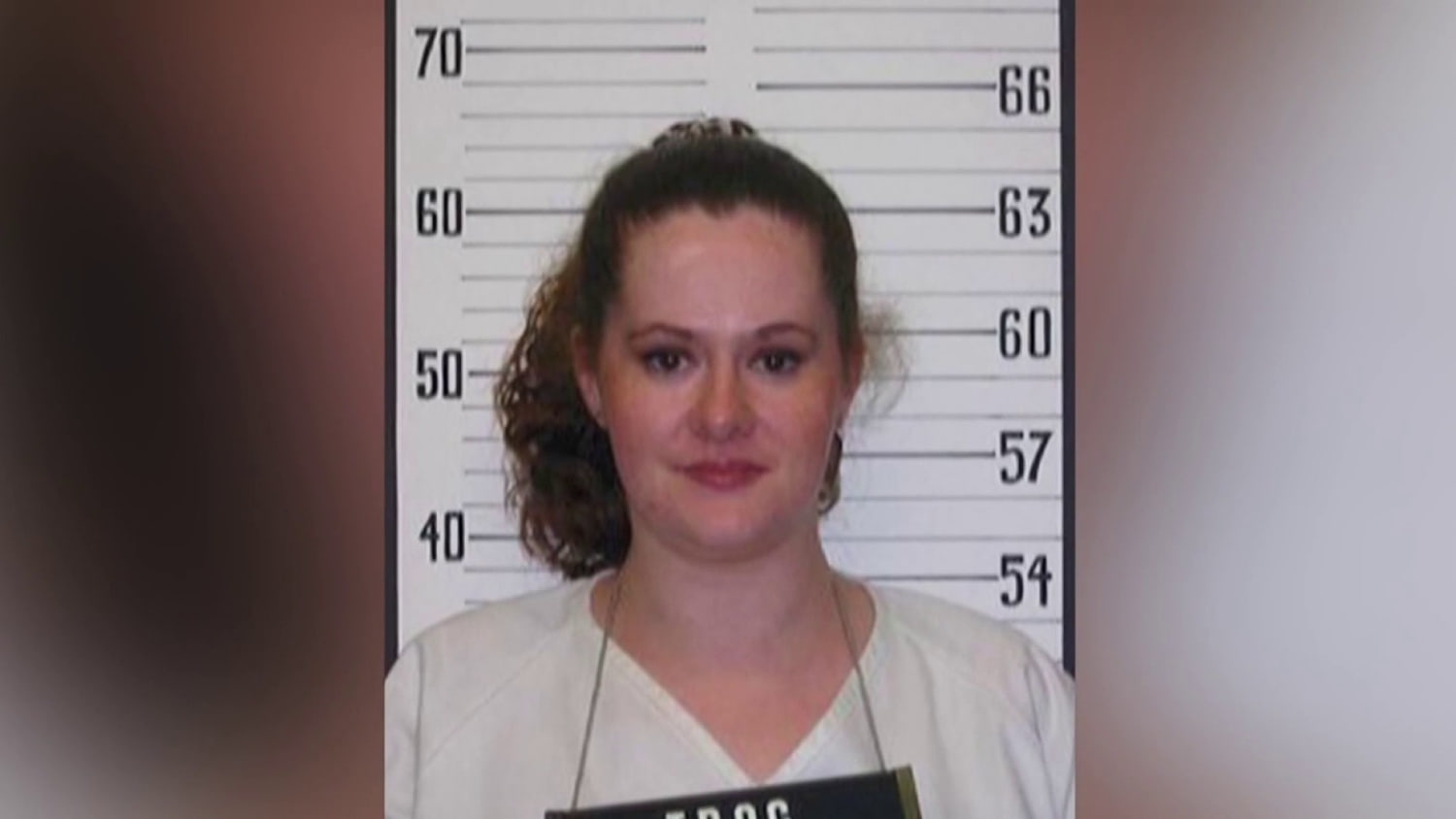
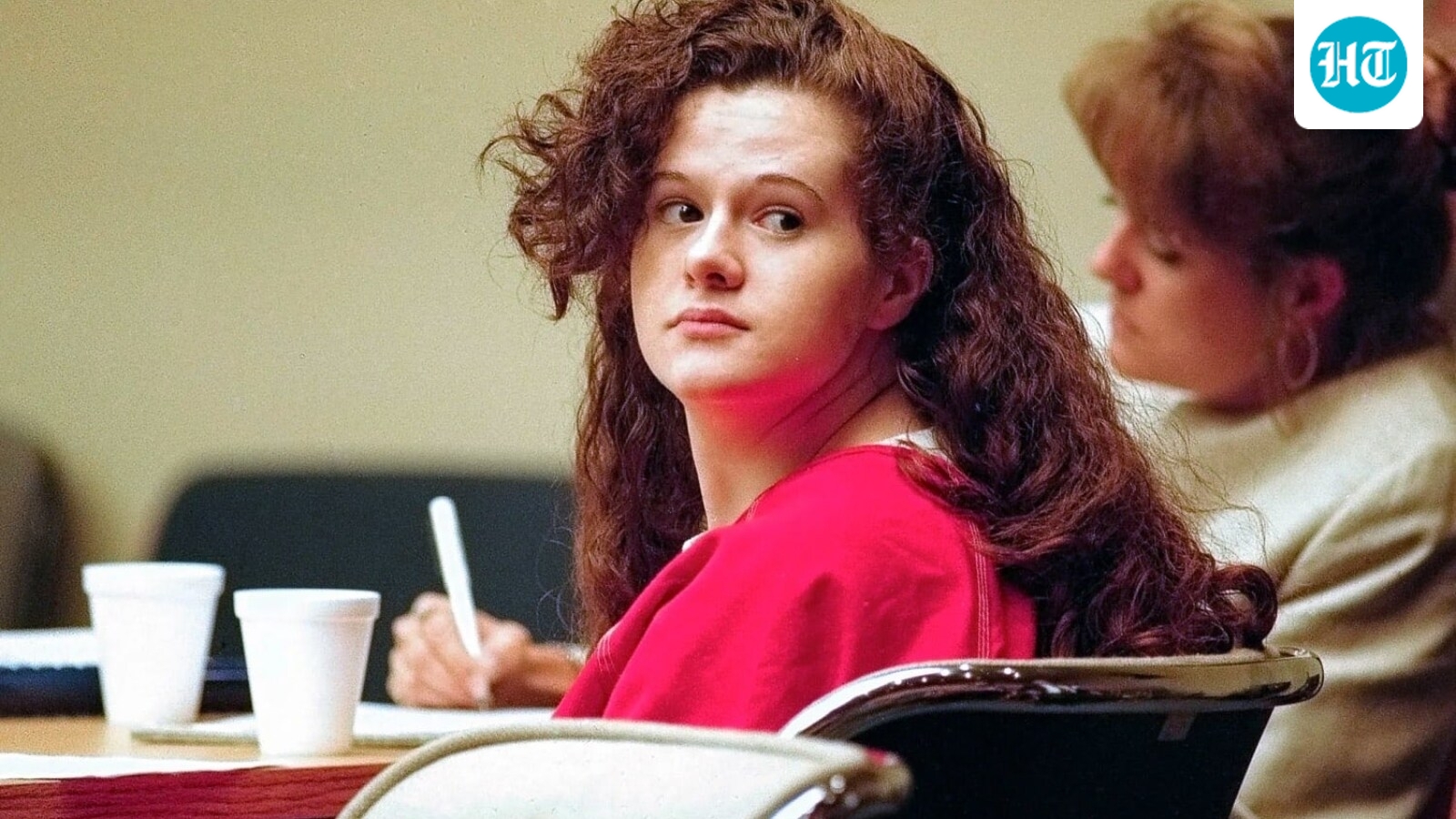 Hindustan TimesThis piece reads center
“remains in constant pain and struggles to speak”
Read the original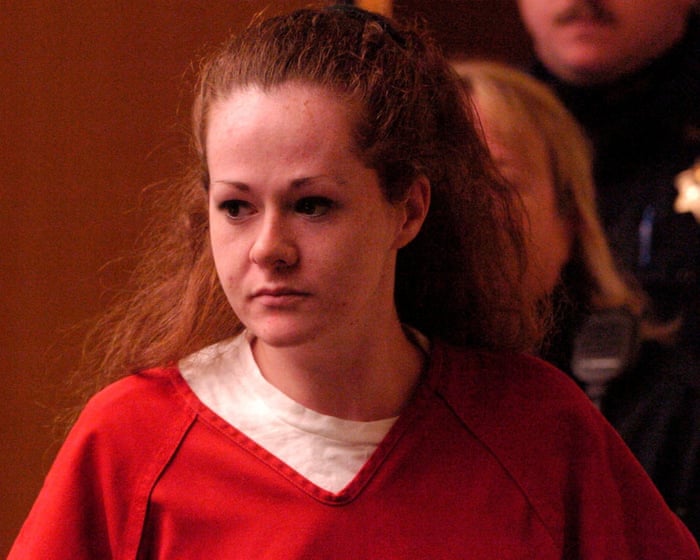 The GuardianThis piece reads center
“Christa Pike makes first public comments since failed execution”
FramingOpens the snippet by restating her sentence and crime, whereas most outlets begin with her statement or condition. This contextualizes her words within her criminal history rather than leading with what she said.
Read the original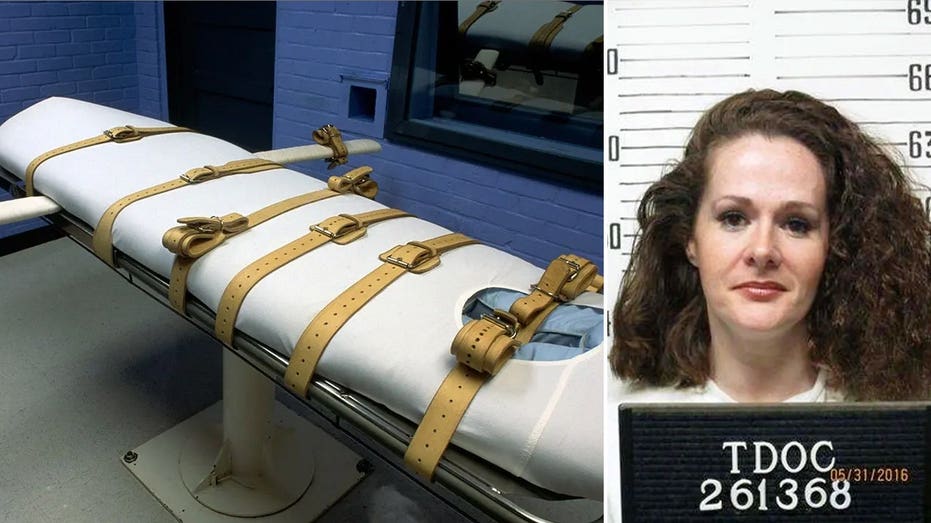 Fox NewsThis piece reads center-right
“Death row killer Christa Pike describes”
Word choiceUses 'Death row killer' in the headline, which emphasizes her criminal identity over her role as the person speaking about her experience. Other outlets describe the event (her statement) rather than defining her by her crime.
Read the original Daily MailThis piece reads center-right
“Murderer Christa Pike issues first statement”
Word choiceLeads with 'Murderer' as a descriptor in the headline, whereas other outlets refer to her by name alone or by her conviction history. This frames her primarily by her crime rather than by her current status as someone describing her experience.
Read the original
Placements are generated by an AI model from each article’s own headline and summary, and every quotation above is checked to be a real substring of that article before it is published. How this is done
Prism is free and carries no advertising. Support it if it was useful.