Christa Pike discharged from hospital and returned to prison after failed lethal injection
Reported by
A dot shows how that piece reads — Prism rates articles, not outlets, and shows the words behind each placement below. No dot means the piece isn’t rated. How the ratings work
What happened
The account the coverage agrees on, with contested figures attributed rather than asserted. This is not one of the five framings below — it is the ground they all stand on.
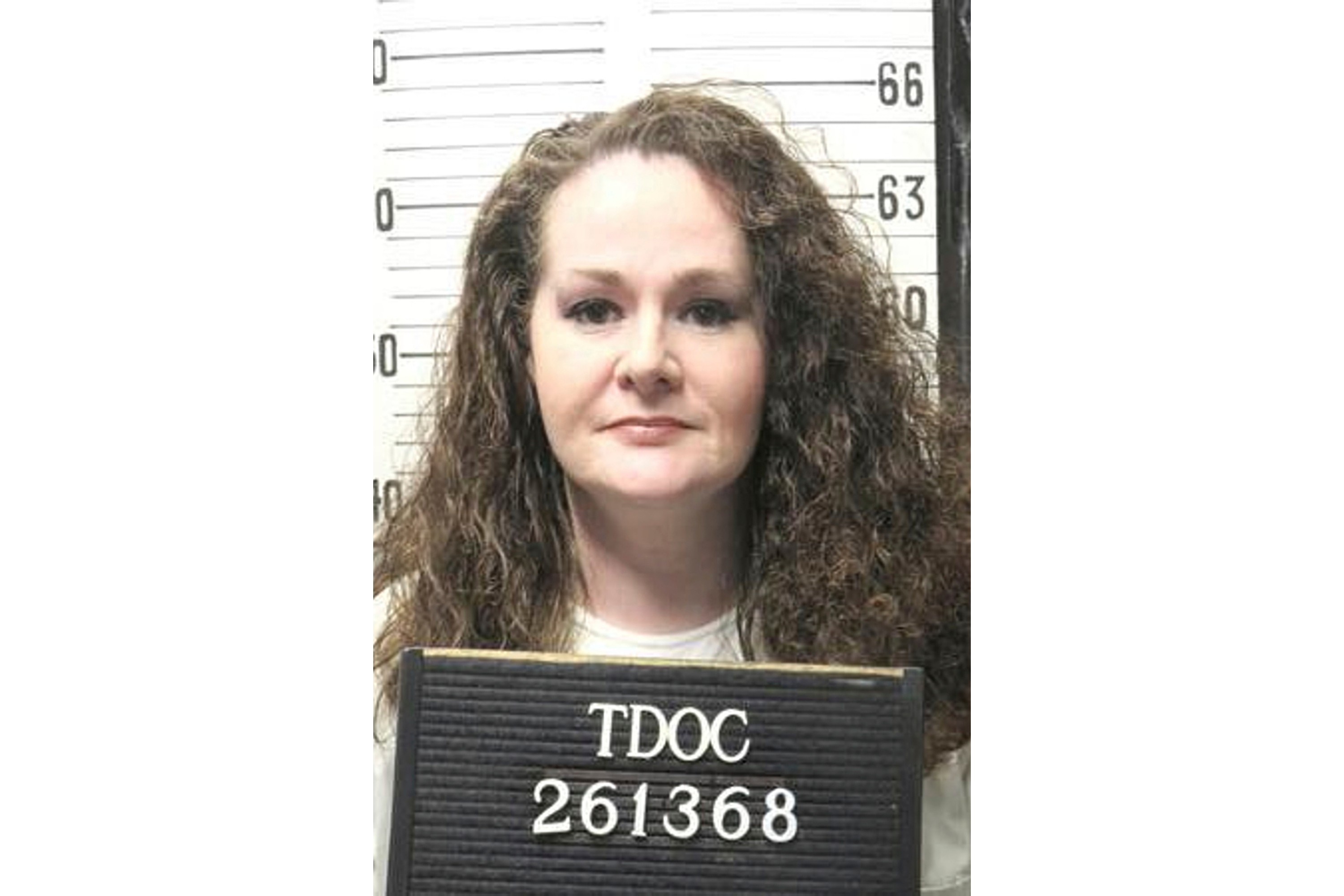
Christa Pike, 50, a Tennessee inmate convicted of a 1995 murder, was discharged from hospital and returned to prison on October 10, more than a week after surviving an execution attempt on September 30. She received two doses of the lethal drug pentobarbital but remained alive. The state called an ambulance. Her attorneys said she is grateful for the care she received.
Developing story · 5 chapters
- Christa Pike unconscious on ventilator after botched lethal injection in Tennessee
- Christa Pike's condition after failed lethal injection in Tennessee
- Christa Pike conscious and speaking after failed lethal injection in Tennessee
- Christa Pike conscious and walking after failed lethal injection in Tennessee
- Christa Pike discharged from hospital and returned to prison after failed lethal injectionyou are here
How each side framed the previous chapter
Compare these with the five framings below to see what moved as the story developed — and what each side kept saying regardless.
Left
Christa Pike's survival of lethal injection exposes systemic failures in capital punishment that demand abolition. The botched execution—blamed on inadequate staff training and poor IV placement—demonstrates that the state cannot administer death reliably or humanely. Rather than debate whether to execute her again, this should force a reckoning: if the system cannot carry out executions without subjecting people to prolonged agony, execution itself is the problem. Other states should take this as evidence that capital punishment is incompatible with constitutional protections against cruel punishment.
Center-left
The failed execution of Christa Pike reveals serious competence and accountability gaps in how states carry out capital punishment. While recognizing that some crimes warrant severe punishment, this case shows Tennessee lacks adequate protocols, training, and oversight to perform executions humanely or reliably. The state should not attempt execution again without major reforms to execution procedures, independent medical oversight, and judicial review. This incident strengthens the case for states to reconsider lethal injection as a method and to adopt stronger safeguards if capital punishment continues.
Center
Christa Pike's case presents a genuine dilemma with no easy answer. She committed a serious crime and was lawfully sentenced to death, but the failed execution raises both practical and ethical problems. Tennessee cannot simply retry execution without addressing what went wrong, yet attempting again risks further trauma and legal complications. The most prudent path is for courts to thoroughly examine what caused the failure, require documented procedural reforms before any further execution attempt, and perhaps consider whether Pike's survival and recovery warrant judicial consideration of alternative punishments that achieve justice without repeating the same risks.
Center-right
Christa Pike was convicted and lawfully sentenced to death for her crime. A technical failure in execution procedures should not prevent the state from carrying out a lawful sentence. Tennessee should address the specific problems that led to the failed IV placement—through better training and procedures—and then proceed with execution using proper protocols. Allowing a convicted murderer to escape punishment due to execution method failures undermines the rule of law and the judicial system's authority. However, the state should ensure competent execution before attempting again, and courts may reasonably require documented procedural improvements.
Right
A murderer's sentence to death should be carried out. Christa Pike's survival of lethal injection is regrettable but does not negate her lawful conviction or sentence. Tennessee should correct the procedural failures—inadequate training and IV placement technique—and proceed with execution. The focus should remain on proper administration of a legal punishment, not on endless legal delays that mock the justice system. If lethal injection proves operationally difficult, Tennessee has the authority to use other execution methods that are constitutionally permissible. Delaying or abandoning execution rewards criminal behavior and fails the victims and their families.
How the spectrum reads this story
The same event, summarised as five points on the political spectrum would each tend to frame it. These are generated by an AI model and are a starting point, not the last word.
Left
The failure of Pike's execution exposes the cruel reality of capital punishment—even the state's attempt to kill her inflicted suffering rather than a swift death. This botched procedure underscores broader arguments that lethal injection is not the humane method it was promised to be, and raises fundamental questions about whether the state should retain the power to execute at all. Pike's survival and recovery demand serious reckoning with how we carry out executions.
No article in this story reads this way. This is how the position tends to frame events like it — written by a model, not quoted from anyone.
Center-left
The failed execution of Christa Pike highlights serious problems with Tennessee's lethal injection protocol. That Pike survived two lethal doses suggests inadequate training, oversight, or procedures. While Pike committed a heinous crime, this incident raises legitimate concerns about whether the state has the technical capability to carry out executions humanely and reliably. It warrants investigation into what went wrong and whether execution methods need reform or reconsideration.
No article in this story reads this way. This is how the position tends to frame events like it — written by a model, not quoted from anyone.
Center
Christa Pike's survival of a lethal injection attempt is an unusual and troubling incident that demands scrutiny of the specific procedures used. The case presents a genuine dilemma: Pike committed murder and was lawfully sentenced to death, but the state failed to carry out that sentence as intended, creating an extraordinary situation. Any execution system must work reliably, and this failure suggests Tennessee needs to examine its protocols—though what happens next legally and procedurally remains unclear.
Drawn from 9 articles placed here, below.
Center-right
The failed execution of Christa Pike, who was convicted of murdering a classmate, raises questions about Tennessee's lethal injection procedures and whether the state had proper training and equipment. However, Pike was lawfully convicted and sentenced; the issue here is technical competence in carrying out that sentence, not the sentence itself. The state should investigate what went wrong and ensure such failures do not recur, while Pike remains where she was sentenced to be—in custody.
No article in this story reads this way. This is how the position tends to frame events like it — written by a model, not quoted from anyone.
Right
Christa Pike, convicted of murder, was sentenced to death by a court of law. That the execution attempt failed is an operational problem Tennessee should fix, but it does not change her guilt or the lawfulness of her sentence. The focus should be on understanding what went wrong technically and ensuring the state can reliably carry out court orders. Pike's survival does not grant her a reprieve; it means the sentence remains to be executed properly.
No article in this story reads this way. This is how the position tends to frame events like it — written by a model, not quoted from anyone.
Hear two viewpoints debate it
Pick two viewpoints and Prism writes a short, six-turn exchange about this story in each one’s own voice — steel-manned, no winner declared. Each pairing is written once and then saved for every reader. The voices are AI syntheses of a tradition, not real people.
New pairing — Prism will write it now.
How each outlet covered it
Where Prism places each piece — not the outlet in general — with the words from that piece that put it there, and the photograph the outlet chose. Picking a photo is a framing decision too.
- National PostThis piece reads center
“U.S. lethal injection survivor returns to prison”
Word choiceFrames Pike primarily as a 'survivor' in the headline, emphasizing survival over her crime or the execution attempt itself—a framing choice that foregrounds the outcome rather than the event.
Read the original 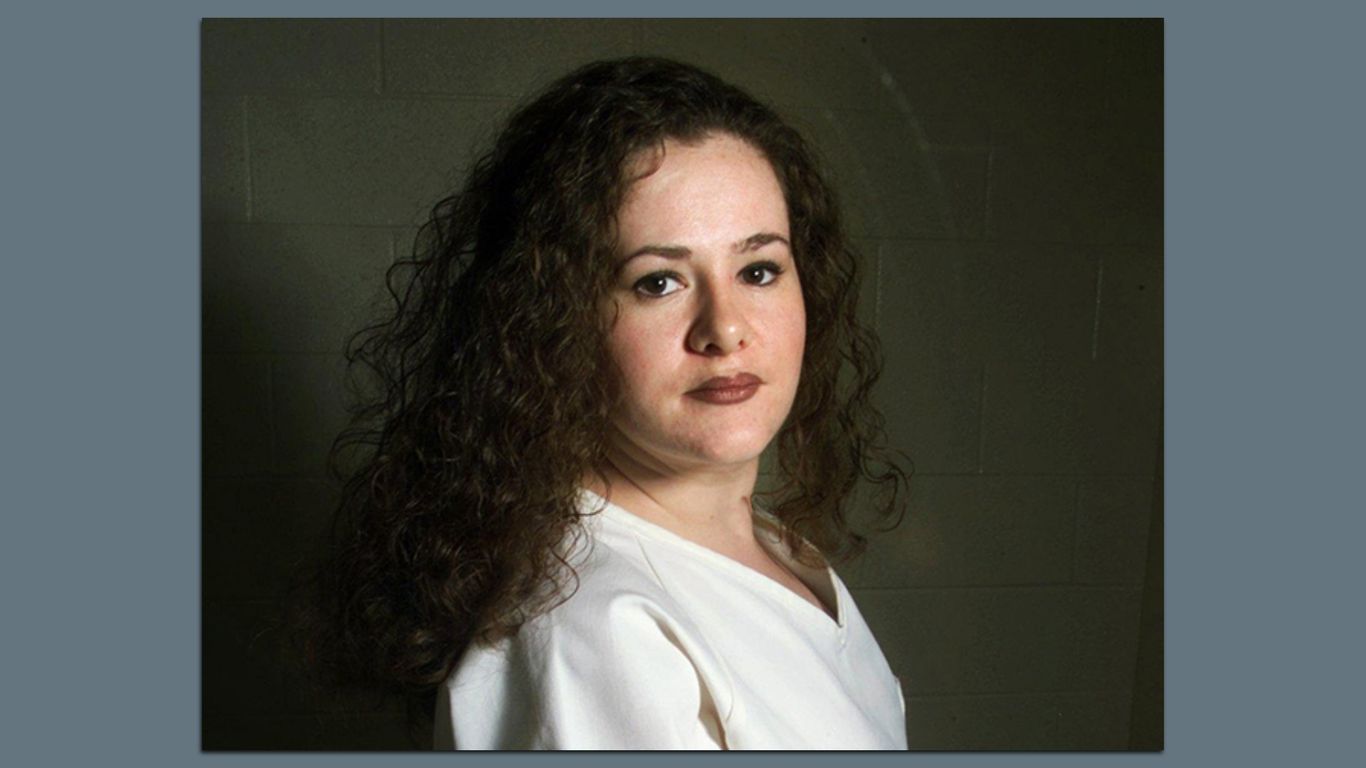
 BBCThis piece reads center
“US murderer Christa Pike discharged from hospital”
Word choiceUses the label 'murderer' in the headline where other outlets use 'inmate' or 'convicted murderer'—a direct descriptor that emphasizes her crime upfront.
Read the original- Washington PostThis piece reads center
“Christa Pike discharged from hospital, 10 days after failed execution”
Read the original  The Center SquareThis piece reads center
“Convicted murderer Christa Pike is out of the hospital”
FramingOpens with 'Convicted murderer' in a way that emphasizes her crime before mentioning the execution event, whereas most outlets lead with the hospital discharge.
Read the original The Daily WireThis piece reads center
“Convicted murderer Christa Pike has returned to prison”
Read the original
 NYTThis piece reads center
“Christa Pike Discharged From Hospital After Surviving Execution Attempt”
Read the original
Placements are generated by an AI model from each article’s own headline and summary, and every quotation above is checked to be a real substring of that article before it is published. How this is done
Prism is free and carries no advertising. Support it if it was useful.