Christa Pike conscious and speaking after failed lethal injection in Tennessee
Reported by
A dot shows how that piece reads — Prism rates articles, not outlets, and shows the words behind each placement below. No dot means the piece isn’t rated. How the ratings work

What happened
The account the coverage agrees on, with contested figures attributed rather than asserted. This is not one of the five framings below — it is the ground they all stand on.
Christa Pike, 50, survived a failed execution in Tennessee last week and is now conscious and speaking while receiving critical medical care in hospital, according to a statement from her lawyers on Tuesday. She was temporarily on a ventilator following the botched execution, which involved two doses of lethal injection drugs. She remains handcuffed in hospital.
Developing story · 3 chapters
- Christa Pike unconscious on ventilator after botched lethal injection in Tennessee
- Christa Pike's condition after failed lethal injection in Tennessee
- Christa Pike conscious and speaking after failed lethal injection in Tennesseeyou are here
How each side framed the previous chapter
Compare these with the five framings below to see what moved as the story developed — and what each side kept saying regardless.
Left
Pike's survival exposes the fundamental cruelty and fallibility of capital punishment. The state's attempt to execute her—and its failure—demonstrates that no method can deliver truly humane killing. This incident underscores why abolishing the death penalty altogether is the only ethical path; execution systems are inherently error-prone and inflict gratuitous suffering. Pike's case demands immediate commutation and broader reckoning with state violence.
Center-left
Pike's survival raises serious questions about whether current execution methods can be administered safely and humanely. The botched procedure caused unnecessary suffering to an already incarcerated person. While some still support capital punishment in principle, this failure suggests the system needs major reforms—better training, more reliable drugs, or different methods—before executions should resume. Commutation should be considered as a safer alternative.
Center
Pike's case presents a genuine problem for death penalty administration: the execution system failed to function as intended, creating an unexpected medical crisis. This doesn't necessarily resolve the broader debate about capital punishment itself, but it does reveal practical gaps that responsible governance must address. Whether through procedural improvements, method changes, or individual commutations, the state has an obligation to prevent such scenarios while the underlying policy questions remain contested.
Center-right
Pike's execution failure is unfortunate and points to real implementation problems that must be fixed. The death penalty remains justified for serious crimes, but states need better execution protocols—improved training, reliable procedures, or possibly different methods—to ensure it's carried out efficiently and without unnecessary complications. The focus should be on improving the system, not abandoning it for offenses serious enough to warrant capital punishment.
Right
Pike's case demonstrates why execution methods matter: the current lethal injection system failed to work properly, creating an undignified outcome. A more reliable method like firing squads would deliver swift, certain justice without the medical complications that plague drug-based executions. For crimes heinous enough to warrant capital punishment, the state should employ methods that function reliably and respect the dignity of the process, ensuring justice is served cleanly and definitively.
How the spectrum reads this story
The same event, summarised as five points on the political spectrum would each tend to frame it. These are generated by an AI model and are a starting point, not the last word.
Left
Christa Pike's survival of a botched execution exposes the cruelty embedded in capital punishment itself. That the Supreme Court permitted this procedure to proceed demonstrates how the death penalty system prioritizes state power over human dignity—subjecting a person to torture that violates constitutional protections against cruel and unusual punishment. Her continued detention and medical treatment while shackled underscores how the machinery of execution subordinates even basic humanity to an institution designed to kill.
Center-left
Pike's survival of a failed execution raises serious questions about whether Tennessee's execution protocol is safe or humane enough to continue. The botched procedure, requiring two doses of lethal injection drugs, suggests procedural failures that warrant investigation and potential legal reform. While acknowledging Pike's serious crimes, advocates for due process argue that a functioning justice system must ensure executions, if carried out, are carried out without subjecting inmates to unnecessary suffering that may violate constitutional standards.
Center
Pike's situation presents a genuine dilemma: the execution failed, leaving her critically injured and hospitalized, yet she survived. This raises practical questions about what should happen next—whether to retry execution, pursue alternative punishment, or recognize the event as evidence that the method itself is unreliable. Reasonable people disagree on capital punishment, but most would agree that a system producing this outcome—neither death nor a functioning execution—suggests a need for procedural review and clearer protocols, regardless of one's position on the death penalty itself.
Center-right
The failed execution creates a legally and practically complicated situation that courts must now navigate carefully. Pike was lawfully sentenced to death for her crimes; that the execution procedure malfunctioned does not negate that sentence or her culpability. However, subjecting an inmate to repeated execution attempts raises genuine questions about humane treatment that deserve judicial review. Any path forward should respect both the rule of law—Pike's lawful sentence—and basic standards of decency in how that sentence is carried out.
Right
While Pike's crimes were serious and her execution sentence was lawfully imposed, the failed execution has created an unprecedented legal situation. The state has an obligation to carry out lawful sentences, but also to do so in a manner consistent with basic dignity standards. However, the focus should remain on Pike's original culpability and the justice owed to her victims, not on treating a failed execution as a get-out clause for someone convicted of heinous crimes. Any review should be narrow and procedural, not a vehicle for death penalty opponents to relitigate the sentence itself.
Hear two viewpoints debate it
Pick two viewpoints and Prism writes a short, six-turn exchange about this story in each one’s own voice — steel-manned, no winner declared. Each pairing is written once and then saved for every reader. The voices are AI syntheses of a tradition, not real people.
New pairing — Prism will write it now.
How each outlet covered it
Where Prism places each piece — not the outlet in general — with the words from that piece that put it there, and the photograph the outlet chose. Picking a photo is a framing decision too.
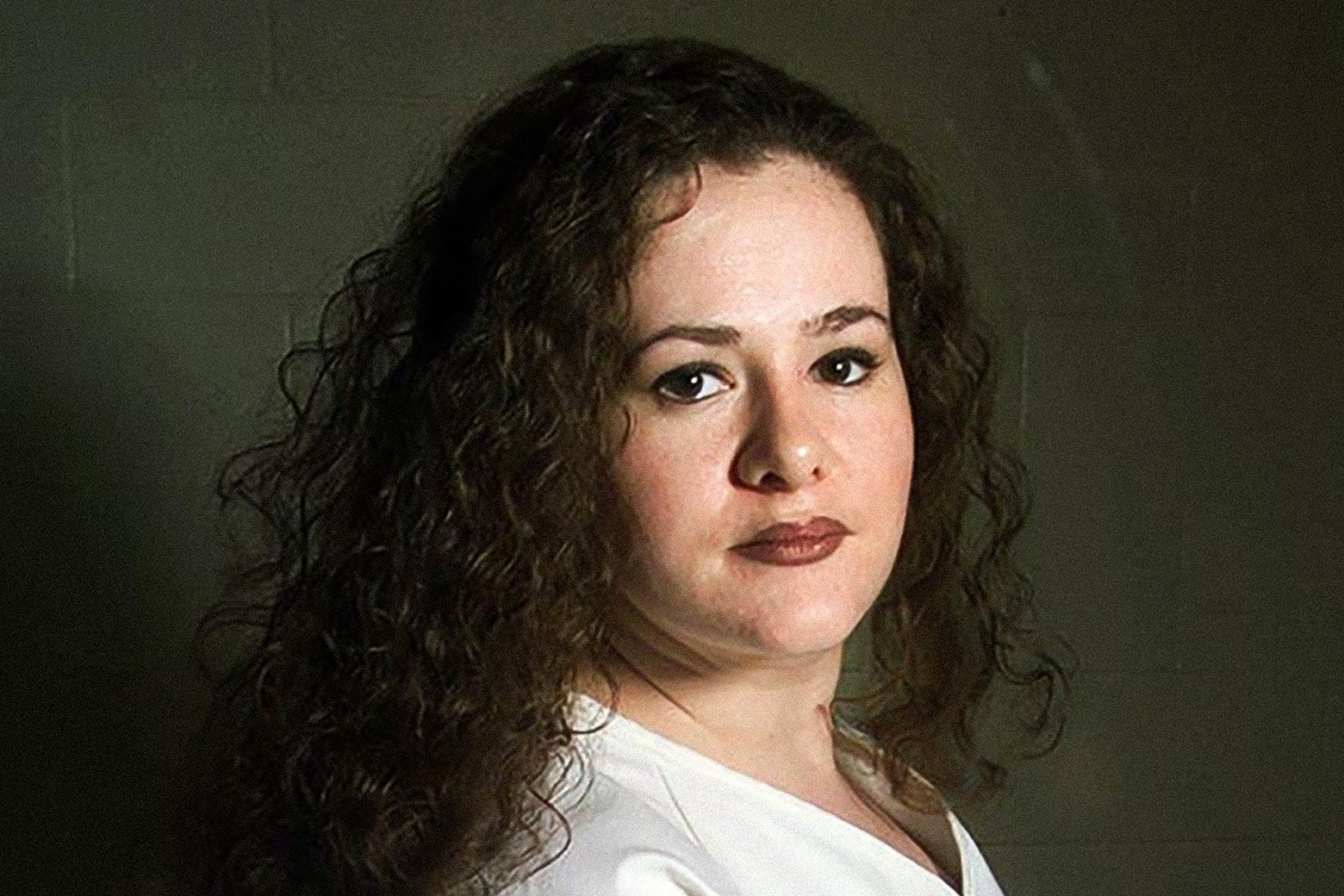 Slatenot rated
Word choiceUses dramatically charged language—'blessed,' 'horror show'—that frames the execution as grotesque and the Supreme Court's approval as complicit. Other outlets report the facts of what happened; this outlet layers interpretive language atop them.
Read the original NBC Newsnot ratedRead the original
- RTÉThis piece reads center
“Pike conscious after failed execution in US, says lawyers”
Read the original  ABC NewsThis piece reads center
“conscious and speaking nearly a week after a botched execution”
Read the original BBCThis piece reads center
“continues to receive critical medical care while handcuffed in hospital”
Read the original NewsNationThis piece reads center
“regained consciousness as she continues to receive treatment”
Read the original New York PostThis piece reads center
“awake and speaking less than a week after surviving a botched execution attempt”
Read the original Daily MailThis piece reads center-right
“Convicted murderer Christa Pike is awake and speaking in the hospital”
FramingOpens by labeling Pike with her conviction type before naming her, foregrounding her crime. Other outlets lead with the news development (consciousness, speaking) and identify her primarily as the death row inmate or woman involved in the execution.
Read the original
Placements are generated by an AI model from each article’s own headline and summary, and every quotation above is checked to be a real substring of that article before it is published. How this is done
Prism is free and carries no advertising. Support it if it was useful.