Ukraine launches massive drone attack on Russian oil facilities in St. Petersburg, striking refineries and energy sites
Reported by
A dot shows how that piece reads — Prism rates articles, not outlets, and shows the words behind each placement below. No dot means the piece isn’t rated. How the ratings work

What happened
The account the coverage agrees on, with contested figures attributed rather than asserted. This is not one of the five framings below — it is the ground they all stand on.
Ukraine conducted a large-scale drone attack on St. Petersburg and the Leningrad region on October 18, targeting Russian oil facilities, refineries, and infrastructure. Ukrainian officials said over 1,000 drones were deployed. Local authorities reported at least one person killed and between 5 and 15 injured, with fires ignited at oil terminals and depots. Ukrainian President Zelenskyy said he had ordered the resumption of strikes on Russian oil refineries following a three-day pause. Kyiv accused Russia of violating an "energy ceasefire" dozens of times, referencing Russian attacks on Ukrainian energy infrastructure.
How the spectrum reads this story
The same event, summarised as five points on the political spectrum would each tend to frame it. These are generated by an AI model and are a starting point, not the last word.
Left
Ukraine's drone strikes on Russian energy infrastructure represent legitimate resistance to an invading power that has systematically targeted Ukrainian civilian energy supplies. Russia's destructive campaign against Ukraine's power grid and heating systems demands a response; Ukrainian strikes on Russian oil facilities are proportional retaliation for violations of the energy ceasefire. The focus should be on Russia's responsibility for escalation and for creating conditions where Ukraine must strike back.
No article in this story reads this way. This is how the position tends to frame events like it — written by a model, not quoted from anyone.
Center-left
Ukraine is exercising a justified right to strike back at military and economic targets sustaining Russia's invasion. The resumption of drone attacks on Russian oil facilities follows Russian violations of an informal energy ceasefire and reflects Ukraine's need to degrade Russia's war capacity. However, the scale and civilian proximity of such strikes raise questions about proportionality and international humanitarian law that merit careful consideration.
Drawn from 1 article placed here, below.
Center
Both sides have violated an informal understanding against targeting each other's energy infrastructure—Russia repeatedly struck Ukrainian power plants, prompting Ukraine to resume strikes on Russian oil facilities. The escalation reflects the breakdown of any restraint and the difficulty of maintaining limits on warfare once established. A sustainable path forward requires negotiated agreements with enforcement mechanisms, not repeated cycles of retaliation that risk broader escalation.
Drawn from 4 articles placed here, below.
Center-right
Ukraine's drone attacks on Russian oil infrastructure, while understandable militarily, risk widening the conflict and complicating diplomatic efforts. Russia's prior violations of energy restraint justified some response, but large-scale strikes that kill civilians complicate international support for Ukraine and may provoke Russian escalation. Sustainable limits on energy targeting require negotiated agreements rather than unilateral resumption of strikes.
Drawn from 1 article placed here, below.
Right
Ukraine's decision to resume large-scale drone attacks on Russian energy infrastructure, killing civilians and causing economic damage, undermines claims of restraint and complicates any path to negotiated settlement. While Russia shares responsibility for violating prior understandings, the escalatory cycle serves neither Ukrainian nor broader international interests. The focus should be on de-escalation and diplomatic resolution rather than tit-for-tat strikes that expand the conflict.
No article in this story reads this way. This is how the position tends to frame events like it — written by a model, not quoted from anyone.
Hear two viewpoints debate it
Pick two viewpoints and Prism writes a short, six-turn exchange about this story in each one’s own voice — steel-manned, no winner declared. Each pairing is written once and then saved for every reader. The voices are AI syntheses of a tradition, not real people.
New pairing — Prism will write it now.
How each outlet covered it
Where Prism places each piece — not the outlet in general — with the words from that piece that put it there, and the photograph the outlet chose. Picking a photo is a framing decision too.
- Politico EuropeThis piece reads center-left
“ordered the resumption of strikes on Russian oil refineries”
FramingExplicitly identifies that Ukraine had paused strikes, establishing context for the resumed attacks as a deliberate policy change rather than continuous warfare.
Read the original - NewsNationThis piece reads center
“announcement came days after Trump announced a deal to purchase Russian diesel”
Read the original  Financial TimesThis piece reads center
“Strikes hit tech infrastructure after Russia targets electricity substations”
Read the original France 24not rated
FramingAttributes the ceasefire concept to Washington specifically, whereas other outlets present it as an informal understanding without specifying the originating party.
Read the original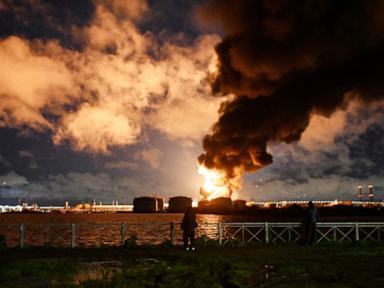 ABC NewsThis piece reads center
“Russian officials said oil facilities were struck in the massive attack”
Read the original- The Straits TimesThis piece reads center
“One killed, 15 injured in Ukrainian drone attack”
Word choiceReports a casualty figure (15 injured) significantly higher than other outlets citing 5 injured, drawn from local authorities' statements.
Read the original 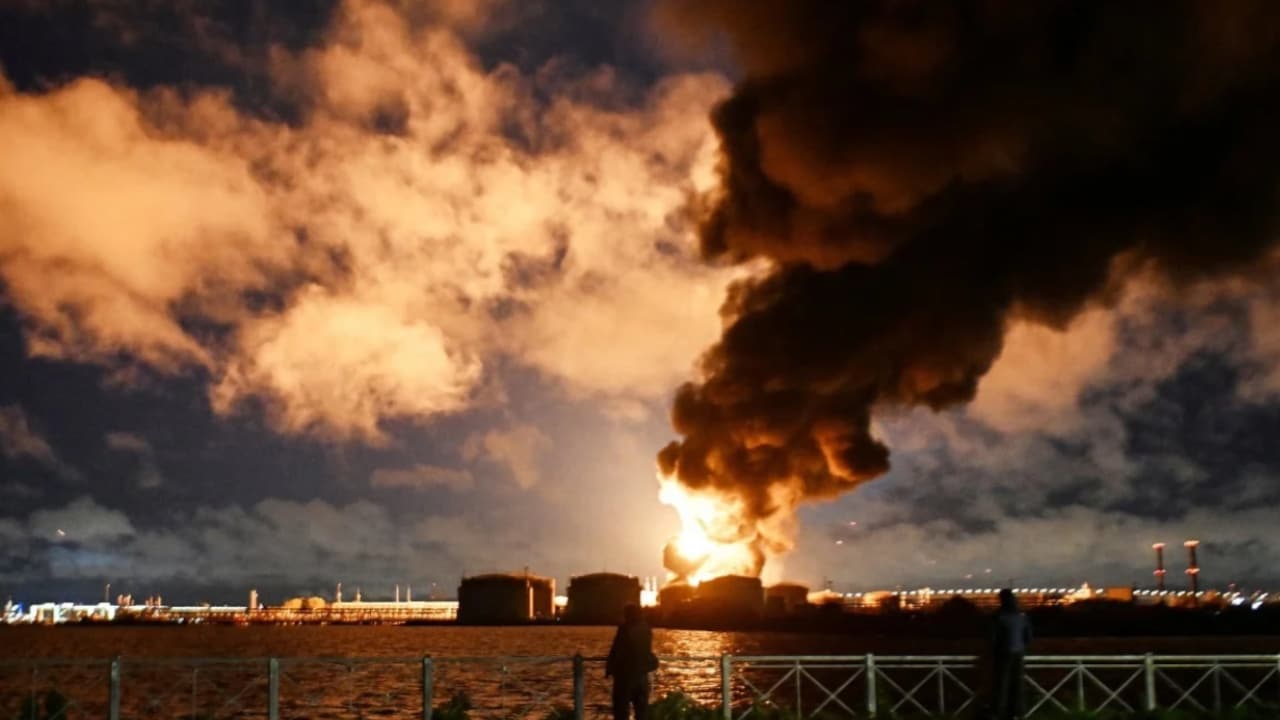 NDTVThis piece reads center-right
“Trump criticizing Kyiv for its strikes on Russian oil infrastructure”
What's left outForegrounds U.S. political reaction to Ukraine's actions, framing the attack through the lens of tensions with Washington rather than the military operation itself.
Read the original Just the Newsnot ratedRead the original
Placements are generated by an AI model from each article’s own headline and summary, and every quotation above is checked to be a real substring of that article before it is published. How this is done
Prism is free and carries no advertising. Support it if it was useful.