Zelenskyy criticizes Trump for waiving Russia sanctions, calling it a 'historic mistake' and 'wrong' policy
Reported by
A dot shows how that piece reads — Prism rates articles, not outlets, and shows the words behind each placement below. No dot means the piece isn’t rated. How the ratings work
What happened
The account the coverage agrees on, with contested figures attributed rather than asserted. This is not one of the five framings below — it is the ground they all stand on.
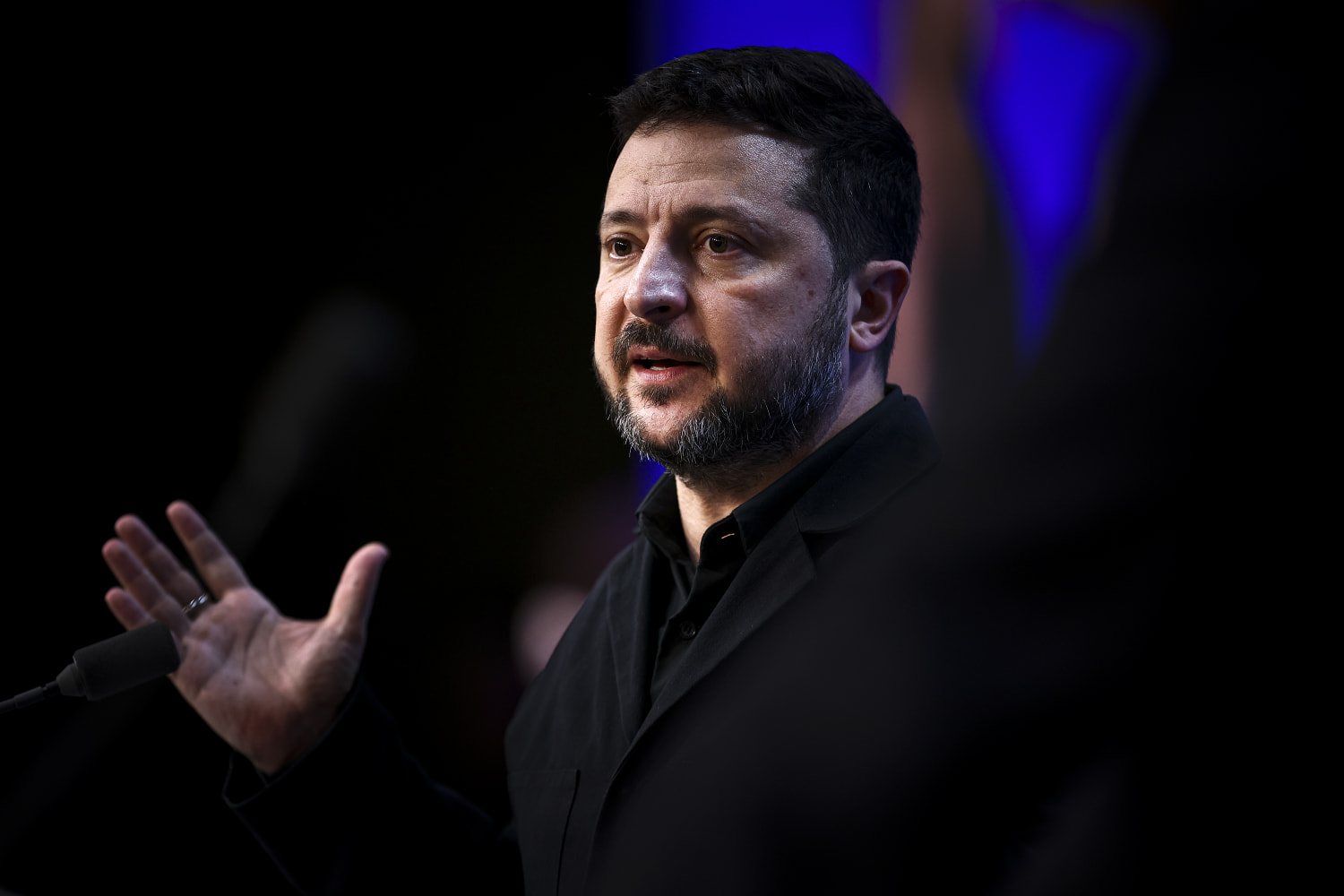
President Donald Trump waived sanctions on Russia under the Lindsey Graham Act. Ukrainian President Volodymyr Zelenskyy criticized the move on social media, saying sanctions relief would help only Russia in its war against Ukraine and calling it wrong. Zelenskyy also warned that the U.S. formally siding with Russia would be a historic mistake, though he said he still views Trump as an ally. The waiver sparked bipartisan backlash from U.S. senators and foreign leaders.
Developing story · 3 chapters
- Zelenskyy accuses Trump of taking the 'wrong side' and betraying Ukraine
- Zelenskyy addresses EU summit amid deteriorating relationship with Trump over Ukraine support
- Zelenskyy criticizes Trump for waiving Russia sanctions, calling it a 'historic mistake' and 'wrong' policyyou are here
How each side framed the previous chapter
Compare these with the five framings below to see what moved as the story developed — and what each side kept saying regardless.
Left
Trump's intervention to protect fossil fuel prices by pressuring Ukraine to stop attacking Russian energy infrastructure reveals how US corporate interests override support for democracy under siege. Zelenskyy's defiance at the EU summit shows Ukraine will not be abandoned by American capital's concerns about fuel costs. The EU's unified backing of Ukraine demonstrates what solidarity looks like when not mediated through a billionaire's geopolitical interests.
Center-left
Zelenskyy's firm response to Trump's demands shows Ukraine will chart its own military course despite pressure from the incoming US administration. The EU summit's reaffirmation of support is encouraging, but Trump's attempts to influence Ukrainian strategy and concerns over his Starlink involvement raise real questions about whether the US commitment to Ukraine will weaken. Ukraine faces a difficult winter with less certain American backing.
Center
The EU summit offered Ukraine reassurance at a precarious moment, but the growing friction between Zelenskyy and Trump complicates Ukraine's position. Trump's effort to halt refinery strikes reflects legitimate concerns about global energy prices, yet Ukraine has military reasons for those strikes. The real challenge is whether Ukraine can sustain the war without full US support, and whether Trump's influence through figures like Musk will reshape the conflict's trajectory in ways the EU cannot offset.
Center-right
Ukraine's decision to defy Trump on refinery strikes, while understandable from a military standpoint, risks alienating the US at a critical moment when American support remains essential. The EU's backing is valuable but cannot replace US military and financial aid. Trump's concern about fuel prices affecting American consumers is legitimate, and Ukraine should weigh the costs of antagonizing the incoming administration. Coordination between allies on strategy, not defiance, serves Ukraine best.
Right
Trump correctly identified that Ukrainian strikes on Russian energy infrastructure drive up global fuel prices harming American families. Zelenskyy's refusal to cooperate with Trump's reasonable request shows Ukrainian leadership prioritizes maximizing US involvement over ending the conflict. The US should not be drawn into an open-ended war serving European interests while bearing the economic costs. Trump's skepticism about indefinite Ukraine support reflects sound America-First principles.
How the spectrum reads this story
The same event, summarised as five points on the political spectrum would each tend to frame it. These are generated by an AI model and are a starting point, not the last word.
Left
Trump's waiver of Russia sanctions represents a capitulation to Putin that undermines Ukraine's existential struggle and reveals how the administration prioritizes appeasing authoritarian regimes over defending democratic allies. The sanctions were a tool to constrain Russia's war machine; lifting them strengthens an aggressor while signaling that U.S. commitments to allies are conditional and unreliable. This damages America's credibility globally and emboldens authoritarian actors everywhere.
No article in this story reads this way. This is how the position tends to frame events like it — written by a model, not quoted from anyone.
Center-left
Trump's decision to waive Russia sanctions, opposed by Congress and Ukraine's president, is a serious mistake that weakens pressure on an aggressor nation. The Graham Act sanctions were designed to constrain Russian behavior; removing them without reciprocal gains or a peace agreement undercuts bipartisan foreign policy and alienates key allies. The administration should reconsider this move or explain what diplomatic concessions justify it.
Drawn from 2 articles placed here, below.
Center
Trump's sanctions waiver is a significant policy shift that has unified unusual opponents—Zelenskyy, congressional Republicans, and Democrats all object to it. The decision requires scrutiny: what strategic goal does it serve? Is there a negotiation underlying it, or a calculation about costs? Congress passed the Graham Act for a reason; if the president believes it's counterproductive now, that case needs to be made transparently. The bipartisan backlash suggests the administration hasn't done that work.
Drawn from 3 articles placed here, below.
Center-right
While Trump's decision to reconsider Russia sanctions reflects a legitimate desire to explore negotiated solutions, the implementation has been poorly handled. Congress passed the Graham Act with strong bipartisan support, and abruptly waiving it without clear diplomatic justification alienated even Republican senators and gave the appearance of capitulation rather than strategy. Any sanctions relief should be tied to concrete Russian concessions on Ukraine or other U.S. interests.
No article in this story reads this way. This is how the position tends to frame events like it — written by a model, not quoted from anyone.
Right
Trump's waiver reflects a necessary recalibration: indefinite sanctions locked in perpetual conflict with Russia. Rather than reflexively maintaining Cold War-era policies, the administration should explore whether engagement and negotiation can achieve American interests more effectively than permanent confrontation. The backlash from the foreign-policy establishment shows how entrenched interests resist any shift away from the status quo. Trump is right to question whether sanctions serve U.S. goals or simply benefit defense contractors and allied governments.
No article in this story reads this way. This is how the position tends to frame events like it — written by a model, not quoted from anyone.
Hear two viewpoints debate it
Pick two viewpoints and Prism writes a short, six-turn exchange about this story in each one’s own voice — steel-manned, no winner declared. Each pairing is written once and then saved for every reader. The voices are AI syntheses of a tradition, not real people.
New pairing — Prism will write it now.
How each outlet covered it
Where Prism places each piece — not the outlet in general — with the words from that piece that put it there, and the photograph the outlet chose. Picking a photo is a framing decision too.

- RapplerThis piece reads center-left
“emboldens Russian President Vladimir Putin”
FramingStates a direct causal claim—that the waiver emboldens Putin—where other outlets describe it as criticism or backlash. The framing moves from Trump's action to its effect on the Russian leader's behavior.
Read the original - NBC NewsThis piece reads center
“still sees President Donald Trump as an ally despite a series of moves”
Read the original 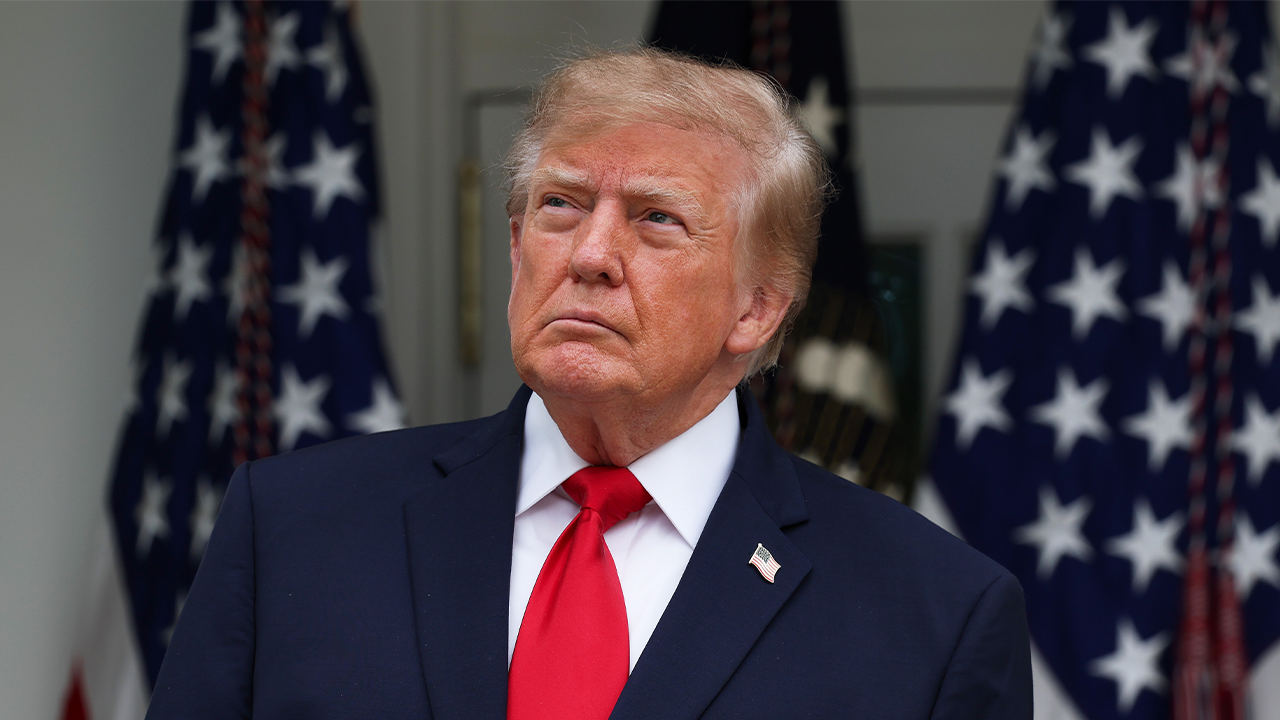 Fox BusinessThis piece reads center
“bipartisan backlash from senators and foreign leaders”
Word choiceEmphasizes the cross-party nature of opposition by leading with 'bipartisan' rather than focusing on the waiver itself. The framing highlights Republican defection as the lead fact.
Read the original
Placements are generated by an AI model from each article’s own headline and summary, and every quotation above is checked to be a real substring of that article before it is published. How this is done
Prism is free and carries no advertising. Support it if it was useful.