Congressional Budget Office reports Iran war costs $38-40 billion through July
Reported by
A dot shows how that piece reads — Prism rates articles, not outlets, and shows the words behind each placement below. No dot means the piece isn’t rated. How the ratings work

What happened
The account the coverage agrees on, with contested figures attributed rather than asserted. This is not one of the five framings below — it is the ground they all stand on.
The Congressional Budget Office reported that the U.S. war against Iran has cost $38.1 billion through August 1, 2026—roughly $246 million per day over five months. The CBO projects additional costs of $2 billion to $3 billion monthly if the conflict continues. According to the Pentagon Inspector General's report, hundreds of military facilities were destroyed and two-thirds of U.S. missile interceptors were depleted. The war is expected to increase inflation by 0.5% in the coming year through higher energy prices. Newsweek reported that half of voters surveyed said sending U.S. troops was a mistake.
How the spectrum reads this story
The same event, summarised as five points on the political spectrum would each tend to frame it. These are generated by an AI model and are a starting point, not the last word.
Left
A six-month war has already drained $38 billion from public coffers while destroying infrastructure and depleting our military arsenal—resources that could address healthcare, education, or climate crisis. The conflict is driving inflation that will burden working people, yet half the country already recognizes it was wrong. This illustrates how military adventurism abroad serves corporate and geopolitical interests while ordinary Americans pay the economic cost.
Center-left
The Iran war's $38 billion price tag and ongoing monthly drain of $2-3 billion raises serious questions about whether this conflict serves American interests. With inflation already pressured by higher energy costs and military resources significantly depleted, Congress must scrutinize whether continued engagement is justified. Public opinion turning against the war suggests Americans want their leaders to find an exit strategy and redirect resources to domestic priorities.
Center
The CBO's analysis provides essential facts for evaluating the war's continuation. At $38 billion spent and $2-3 billion monthly projected costs, policymakers must weigh military objectives against fiscal reality and inflation concerns. While the conflict may serve strategic purposes regarding the Strait of Hormuz, the scale of expenditure and resource depletion warrants serious debate about whether the benefits justify the costs and public doubts about the mission's wisdom.
Center-right
The war's $38 billion cost and depletion of two-thirds of U.S. missile interceptors raise legitimate concerns about military sustainability and whether the campaign is being executed efficiently. However, abandoning the effort without achieving stated objectives risks emboldening adversaries and destabilizing critical global shipping lanes. The administration should accelerate efforts to conclude the conflict on favorable terms while addressing the inflation pressures created by energy market disruptions.
Right
Nearly $40 billion spent and two-thirds of our missile defenses gone—this war demonstrates government waste and mission creep at its worst. Our military's resources are finite; depleting them in an open-ended foreign conflict weakens our sovereignty and ability to defend actual national interests. The Trump administration must prioritize American security and prosperity over entangling commitments abroad, end this conflict immediately, and restore our defensive capabilities.
Hear two viewpoints debate it
Pick two viewpoints and Prism writes a short, six-turn exchange about this story in each one’s own voice — steel-manned, no winner declared. Each pairing is written once and then saved for every reader. The voices are AI syntheses of a tradition, not real people.
New pairing — Prism will write it now.
How each outlet covered it
Where Prism places each piece — not the outlet in general — with the words from that piece that put it there, and the photograph the outlet chose. Picking a photo is a framing decision too.
- NewsweekThis piece reads center-left
“half of voters say sending US troops was a mistake”
Word choiceUses 'nears $40B' in the headline while the body and other outlets specify $38.1 billion—rounds up from the actual CBO figure, which emphasizes scale.
Read the original 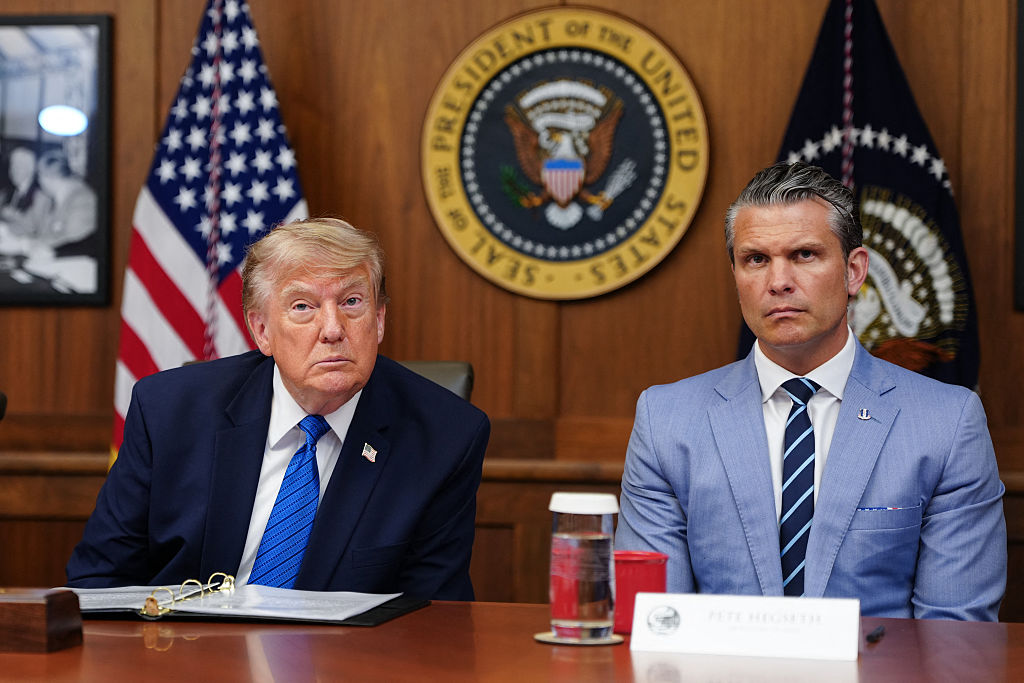 TimeThis piece reads center-left
“Iran War Has Cost U.S. Nearly $40 Billion and Fueled Inflation”
FramingJoins cost and inflation in the headline as paired consequences, whereas most outlets report inflation as supporting detail in snippets rather than co-equal news.
Read the original- NYTThis piece reads center
“Pentagon Inspector General Details U.S. Losses and Challenges”
Read the original 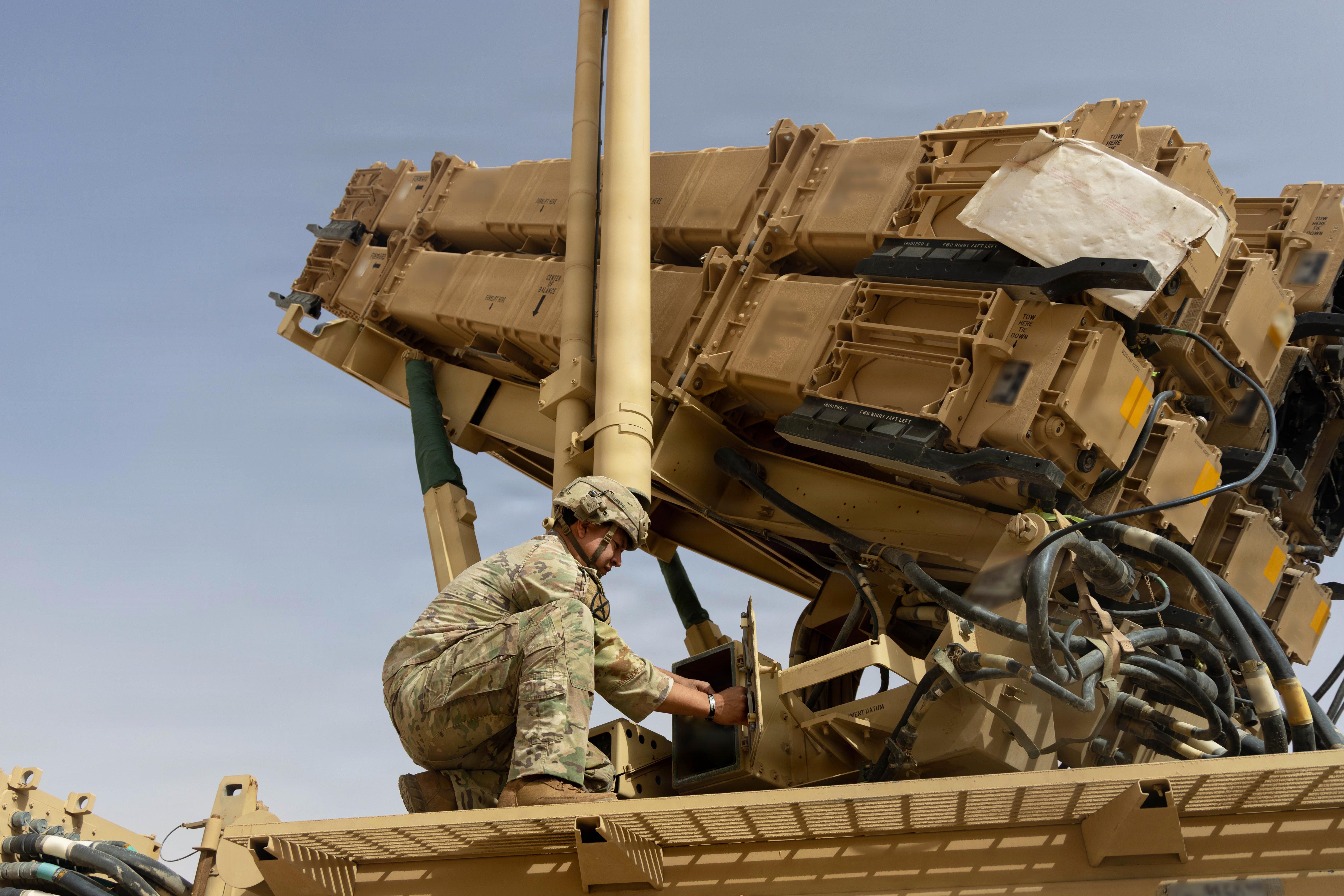 Military TimesThis piece reads center
“depleted two-thirds of US missile interceptors, CBO says”
FramingLeads with military capability depletion alongside cost figures, emphasizing operational impact on readiness where most outlets focus primarily on dollar expenditure.
Read the original- Washington PostThis piece reads center
“Iran war cost $38 billion through July, report says”
Read the original - Al-MonitorThis piece reads center
“Trump administration searches for ways to end the conflict”
Read the original
Placements are generated by an AI model from each article’s own headline and summary, and every quotation above is checked to be a real substring of that article before it is published. How this is done
Prism is free and carries no advertising. Support it if it was useful.