Kimberly Guilfoyle resigns as US ambassador to Greece amid corruption allegations
Reported by
A dot shows how that piece reads — Prism rates articles, not outlets, and shows the words behind each placement below. No dot means the piece isn’t rated. How the ratings work
What happened
The account the coverage agrees on, with contested figures attributed rather than asserted. This is not one of the five framings below — it is the ground they all stand on.
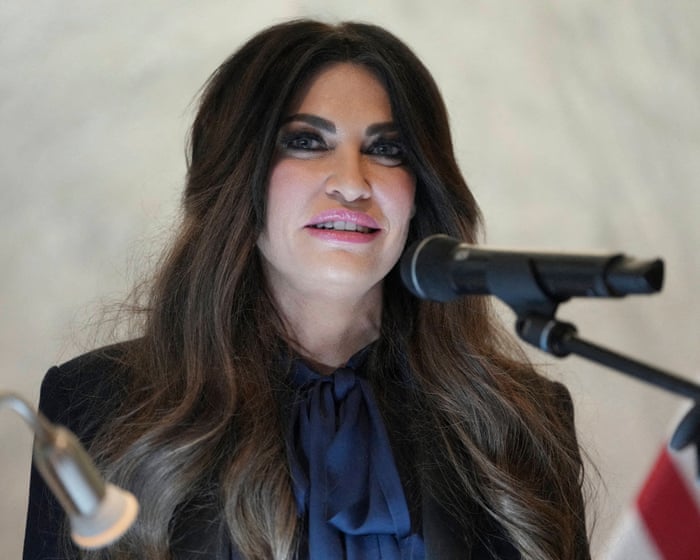
Kimberly Guilfoyle resigned as U.S. ambassador to Greece on October 13, 2026, after the White House asked her to step down. The Wall Street Journal had reported allegations that she engaged in improper conduct, including soliciting funds from wealthy donors in exchange for official access and asking a Republican donor to help pay off her personal debt. Guilfoyle denied the allegations. Trump said he was not happy with the scandals surrounding her tenure.
How the spectrum reads this story
The same event, summarised as five points on the political spectrum would each tend to frame it. These are generated by an AI model and are a starting point, not the last word.
Left
Guilfoyle's resignation exposes how Trump's political network operates: rewarding loyalists with ambassadorships while they exploit those positions for personal gain. The fact that she lasted this long despite obvious corruption—soliciting bribes for access—reveals the systematic lack of accountability within Trump's administration. Her quick exit only happens because the scandal became too public, not because there are real consequences. This is how plutocracy functions when democratic norms have eroded.
No article in this story reads this way. This is how the position tends to frame events like it — written by a model, not quoted from anyone.
Center-left
Guilfoyle's resignation following corruption allegations is a necessary step, but the timing and circumstances raise concerns. That she held an ambassadorship despite apparent misconduct suggests inadequate vetting of Trump appointees. While the resignation removes her from office, the broader pattern of loyalty-based appointments over qualifications remains troubling. Stronger oversight of diplomatic appointments and accountability measures are needed to prevent similar situations.
Drawn from 6 articles placed here, below.
Center
Guilfoyle's departure resolves an immediate crisis, but the episode highlights tensions between accountability and institutional loyalty. The White House acted once the scandal became undeniable, which is appropriate, but the fact that such conduct apparently went unaddressed until media exposure raises questions about internal oversight. Whether the allegations prove serious remains unclear, and her denial matters; what's certain is that ambassadorships should be filled based on diplomatic qualifications rather than political connections alone.
Drawn from 7 articles placed here, below.
Center-right
The resignation was the right call—an ambassador must maintain the office's credibility and represent American interests effectively. Trump appropriately distanced himself from Guilfoyle once damaging reports emerged, showing he won't tolerate conduct that embarrasses the administration. However, it's worth noting that loyalists can be valuable to a president's team, and not every allegation requires assuming guilt. The process worked: problems were identified and addressed.
No article in this story reads this way. This is how the position tends to frame events like it — written by a model, not quoted from anyone.
Right
Guilfoyle's removal shows Trump will enforce standards when needed, despite media pressure to remove his allies. The media's rush to her conviction before facts are established reveals the political nature of these attacks on Trump associates. That family and staff opposed her suggests internal processes worked to flag problems. However, the relentless focus on this resignation obscures whether the underlying allegations reflect actual wrongdoing or are part of a broader effort to undermine Trump's team and delegitimize his appointments.
No article in this story reads this way. This is how the position tends to frame events like it — written by a model, not quoted from anyone.
Hear two viewpoints debate it
Pick two viewpoints and Prism writes a short, six-turn exchange about this story in each one’s own voice — steel-manned, no winner declared. Each pairing is written once and then saved for every reader. The voices are AI syntheses of a tradition, not real people.
New pairing — Prism will write it now.
How each outlet covered it
Where Prism places each piece — not the outlet in general — with the words from that piece that put it there, and the photograph the outlet chose. Picking a photo is a framing decision too.
- The GuardianThis piece reads center-left
“immense scrutiny after the Wall Street Journal reported”
Read the original  The Daily BeastThis piece reads center-left
“members of the president's family "can't stand her”
FramingAttributes her departure to personal dislike ('can't stand her') by Trump's family rather than to the corruption allegations, shifting focus from misconduct to interpersonal dynamics.
Read the original- Rolling StoneThis piece reads center-left
“Too Sloppy for the Trump Administration”
FramingThe framing suggests the problem was her incompetence or lack of discretion rather than the misconduct itself—that she got caught rather than that she did wrong.
Read the original 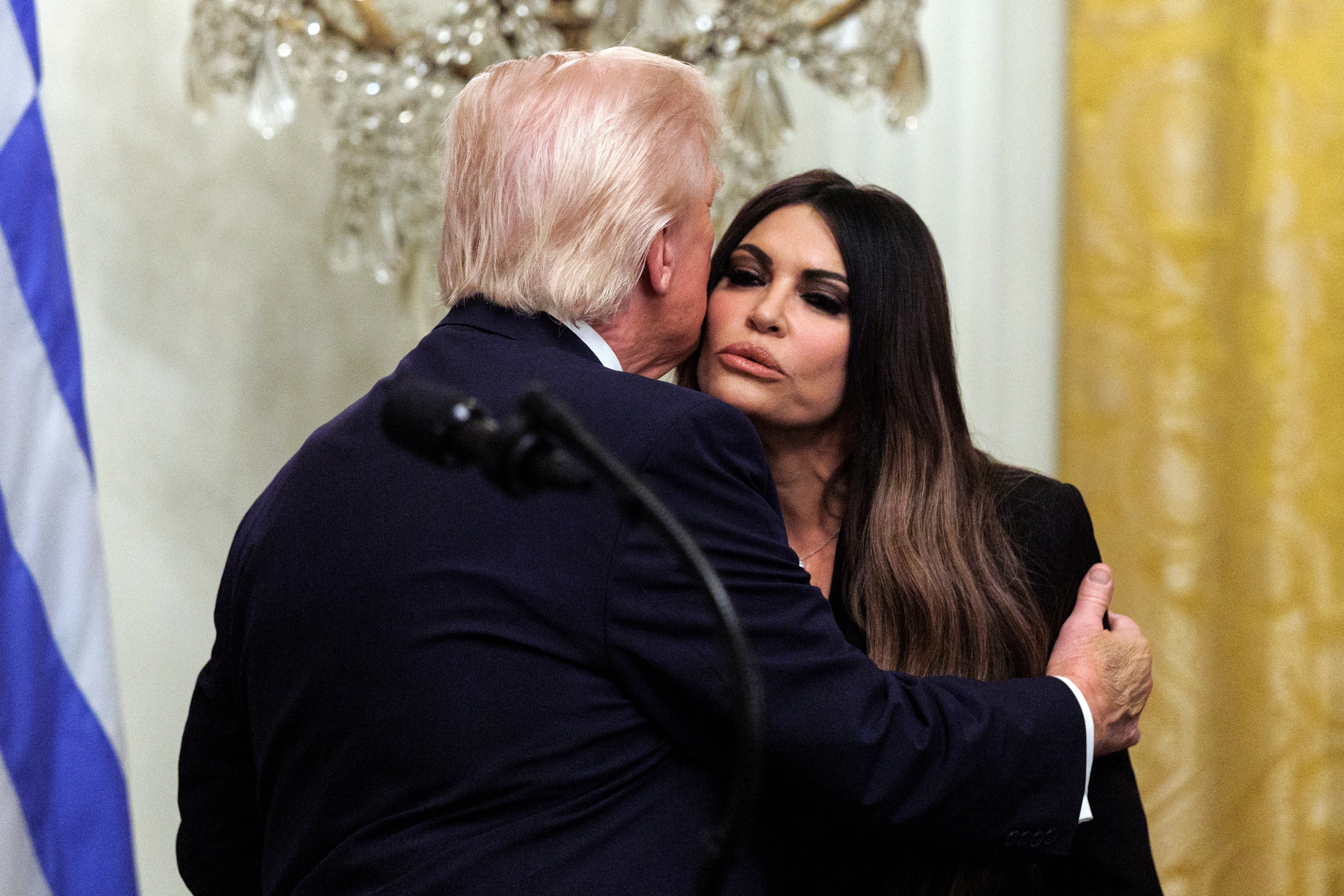 El PaísThis piece reads center-left
“resigns over corruption after pressure from Trump”
Read the original- The BulwarkThis piece reads center-left
“Guilfoyle's accuser is taking a victory lap”
FramingFrames the resignation as a personal victory for an accuser rather than institutional accountability or resolution of misconduct allegations.
Read the original - CBS NewsThis piece reads center
“ousted as ambassador over corruption allegations”
Word choiceUses 'ousted' rather than 'resigned' or 'asked to resign,' emphasizing forced removal rather than her stepping down at the White House's request.
Read the original 
 The ConversationThis piece reads center
“adding to the global vacancies sapping US embassies”
FramingPlaces the resignation in a broader structural context of unfilled diplomatic posts, emphasizing systemic impact rather than focusing on the allegations themselves.
Read the original- CNBCThis piece reads center
“resigns as ambassador to Greece at White House's request”
Read the original 

Placements are generated by an AI model from each article’s own headline and summary, and every quotation above is checked to be a real substring of that article before it is published. How this is done
Prism is free and carries no advertising. Support it if it was useful.