US Treasury imposes sanctions on Iran's aviation sector and airlines
Reported by
A dot shows how that piece reads — Prism rates articles, not outlets, and shows the words behind each placement below. No dot means the piece isn’t rated. How the ratings work
What happened
The account the coverage agrees on, with contested figures attributed rather than asserted. This is not one of the five framings below — it is the ground they all stand on.
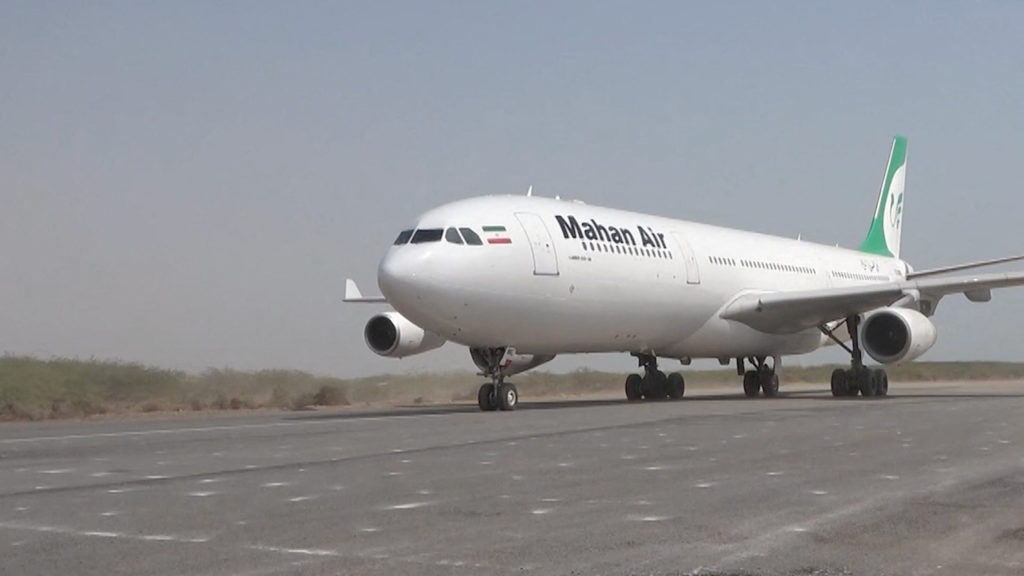
The Trump administration sanctioned 36 entities on Tuesday, including 27 Iranian airlines and nine foreign firms, accusing them of supporting Iran's use of its aviation sector to move weapons, personnel and illicit cargo.
How the spectrum reads this story
The same event, summarised as five points on the political spectrum would each tend to frame it. These are generated by an AI model and are a starting point, not the last word.
Left
The Trump administration is imposing broad new sanctions on Iran's aviation sector, targeting 36 entities accused of helping move weapons and personnel. Critics worry this escalation could further inflame tensions and push Iran toward confrontation rather than diplomacy. The strategy mirrors hardline Cold War-style isolation tactics and raises concerns about civilian harm and unintended consequences in an already volatile region.
Center-left
The U.S. has sanctioned 36 entities in Iran's aviation sector, alleging they facilitate weapons smuggling and military transport. While the administration frames this as necessary pressure, some question whether such broad measures advance diplomatic solutions or deepen hostility. The approach continues a pattern of economic coercion that previous administrations also pursued.
Center
The Trump administration announced sanctions against 36 entities—27 Iranian airlines and nine foreign firms—that it says support Iran's use of aviation to move weapons, personnel, and illicit cargo. The move is part of a broader effort to increase economic pressure on Iran.
Center-right
The Trump administration is intensifying pressure on Iran by sanctioning 36 aviation-linked entities, preventing the regime from using commercial airlines to transport weapons and military personnel. Treasury Secretary Bessent described the action as an 'economic D-Day' strategy to force Iran's compliance and constrain its regional activities without direct military engagement.
Right
The Trump administration is tightening the economic noose on Iran's aviation sector, sanctioning 36 entities used by the regime to smuggle weapons and move military operatives. This aggressive 'economic D-Day' approach directly confronts Iran's destabilizing activities and cuts off resources the Islamic Republic relies on for regional aggression and terrorism support.
Hear two viewpoints debate it
Pick two viewpoints and Prism writes a short, six-turn exchange about this story in each one’s own voice — steel-manned, no winner declared. Each pairing is written once and then saved for every reader. The voices are AI syntheses of a tradition, not real people.
New pairing — Prism will write it now.
How each outlet covered it
Where Prism places each piece — not the outlet in general — with the words from that piece that put it there, and the photograph the outlet chose. Picking a photo is a framing decision too.
- PBS NewsHourThis piece reads center
“U.S. hits remaining parts of Iran's aviation sector”
Read the original 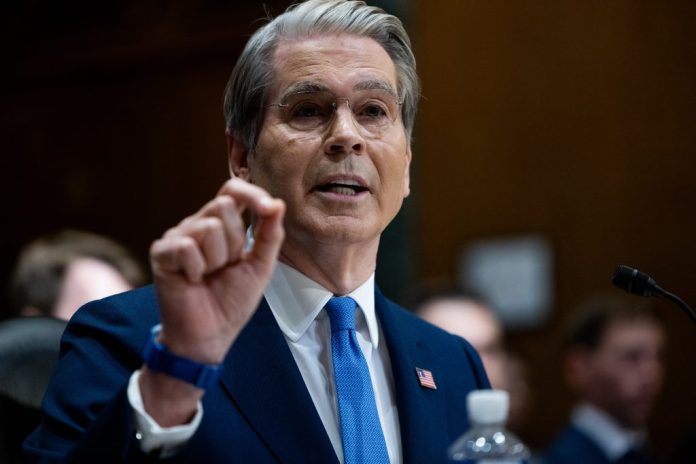 Washington ExaminerThis piece reads center-right
“topple Iran through "economic D-Day”
FramingUses the administration's own characterization directly in the headline and describes the goal as to 'topple Iran,' language that reads as more forceful than PBS's neutral phrasing of 'isolate Tehran.'
Read the original
Placements are generated by an AI model from each article’s own headline and summary, and every quotation above is checked to be a real substring of that article before it is published. How this is done
Prism is free and carries no advertising. Support it if it was useful.