NYC releases post-9/11 air quality documents showing city knew about toxic conditions
Reported by
A dot shows how that piece reads — Prism rates articles, not outlets, and shows the words behind each placement below. No dot means the piece isn’t rated. How the ratings work

What happened
The account the coverage agrees on, with contested figures attributed rather than asserted. This is not one of the five framings below — it is the ground they all stand on.
New York City Mayor Zohran Mamdani released over 170,000 pages of previously undisclosed municipal documents on Tuesday detailing what city officials knew about air quality and toxic contamination following the September 11 attacks. The documents show officials were aware the air was more dangerous than publicly stated. Mamdani said city leaders "lied" about how safe it was to breathe. The release, made through an online portal three days before the 25th anniversary of 9/11, comes as thousands continue to suffer from related illnesses. The mayor's fiscal 2027 budget includes $34 million related to the matter.
How the spectrum reads this story
The same event, summarised as five points on the political spectrum would each tend to frame it. These are generated by an AI model and are a starting point, not the last word.
Left
The release of these documents exposes how power protects itself: city and federal officials knowingly concealed health dangers to prioritize economic reopening and avoid liability. Working people and survivors—disproportionately workers of color in lower Manhattan—were sacrificed so the financial district could resume business. This isn't just bureaucratic failure; it's how institutions systematically harm the vulnerable while shielding the powerful from accountability. True justice requires not just acknowledgment but structural reform of how cities handle crises.
Center-left
These documents reveal a serious failure of transparency and public trust. Officials had information about toxic air risks but didn't adequately disclose them, allowing people to be exposed to genuine health dangers. While the immediate crisis required difficult choices about reopening the city, citizens deserved honest information to make their own decisions. Releasing the documents now and allocating resources for affected survivors are necessary steps toward accountability, though they come far too late for those already harmed.
Center
The document release shows officials faced genuine tensions between public health and economic necessity after a catastrophe, but handled transparency poorly. Some risk communication was inadequate, though separating what officials knew with certainty from what remained uncertain at the time matters. The 25-year delay in release is troubling and deserves explanation. Providing resources to affected people is appropriate, but context about the chaos of the immediate post-attack period should accompany any judgment about officials' decisions.
Center-right
Releasing these documents after 25 years raises questions about what took so long and why transparency wasn't prioritized earlier. That said, after 9/11 the city faced unprecedented circumstances requiring rapid decisions with incomplete information. Officials made choices about reopening based on available evidence and necessity. The document release now allows fair historical assessment. Going forward, better protocols for balancing public safety communication with operational needs during crises would help, but we should acknowledge the genuine difficulty of those original decisions.
Right
While document transparency is important, this selective release politicizes a tragedy. Officials made the best decisions they could during an unprecedented crisis with incomplete information. Reopening lower Manhattan was essential for the city's survival and the nation's resilience—delaying recovery would have caused its own harms. Releasing documents now to cast blame 25 years later, with the benefit of hindsight, unfairly judges decisions made in chaos. This serves political purposes more than justice and distracts from moving forward.
Hear two viewpoints debate it
Pick two viewpoints and Prism writes a short, six-turn exchange about this story in each one’s own voice — steel-manned, no winner declared. Each pairing is written once and then saved for every reader. The voices are AI syntheses of a tradition, not real people.
New pairing — Prism will write it now.
How each outlet covered it
Where Prism places each piece — not the outlet in general — with the words from that piece that put it there, and the photograph the outlet chose. Picking a photo is a framing decision too.
 The HillThis piece reads center-left
“saying city leaders "lied" about how safe it was”
Read the original Straight Arrow NewsThis piece reads center-left
“NYC knew about toxic 9/11 air”
FramingFrames the release as exposing officials' prior knowledge with certainty, whereas other outlets describe the documents as what officials 'knew' or 'were aware of'—a difference between establishing culpability and describing the document contents.
Read the original- Al JazeeraThis piece reads center-left
“victims were 'lied to' about health impacts”
FramingReports Mamdani's accusation of lying in direct quotation, while other outlets paraphrase as "lied" or "safety claims" without the scare quotes, affecting how readers receive the strength of the allegation.
Read the original 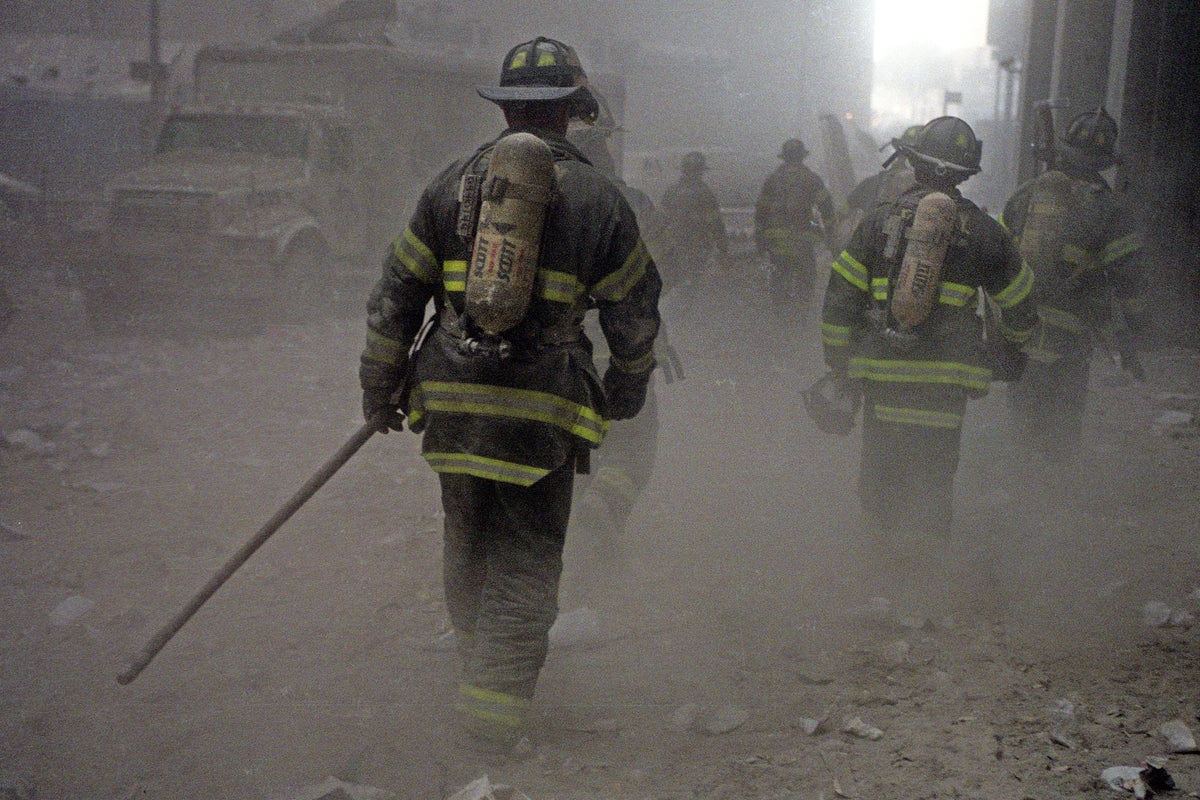 The IndependentThis piece reads center-left
“Asbestos dust and toxic smoke-filled air were no match for officials”
Word choiceUses figurative language ("no match for") that casts officials as actively choosing danger over safety, where other outlets stick to what documents show officials knew.
Read the original- CBS NewsThis piece reads center
“documents questioning the air quality at Ground Zero”
Read the original 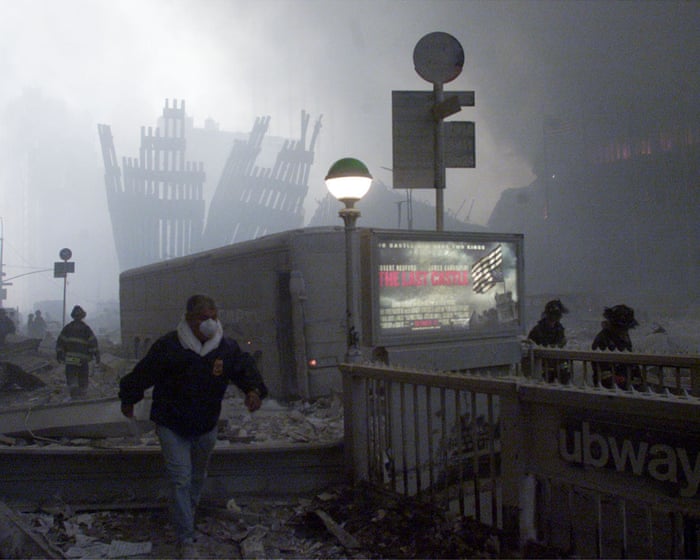 The GuardianThis piece reads center
“released more than 170,000 pages of municipal records”
Read the original
Placements are generated by an AI model from each article’s own headline and summary, and every quotation above is checked to be a real substring of that article before it is published. How this is done
Prism is free and carries no advertising. Support it if it was useful.