NYC Mayor Mamdani releases 9/11 air quality documents showing dangerous conditions
Reported by
A dot shows how that piece reads — Prism rates articles, not outlets, and shows the words behind each placement below. No dot means the piece isn’t rated. How the ratings work
What happened
The account the coverage agrees on, with contested figures attributed rather than asserted. This is not one of the five framings below — it is the ground they all stand on.
NYC Mayor Zohran Mamdani released more than 170,000 pages of previously undisclosed city documents on Tuesday relating to air quality after the September 11, 2001 attacks. According to CNN's coverage, the records show city officials at the time knew conditions around Ground Zero were unsafe despite publicly assuring the public otherwise. Mamdani stated that first responders who rushed to the World Trade Center were likely exposed to dangerous toxins. Mamdani claimed illnesses from 9/11 air exposure killed more people than the attacks themselves.
How the spectrum reads this story
The same event, summarised as five points on the political spectrum would each tend to frame it. These are generated by an AI model and are a starting point, not the last word.
Left
This is a stunning vindication of those who've long documented how the city and federal government knowingly lied to working-class first responders about 9/11 exposure risks. Thousands have died from illnesses directly caused by the toxic air they breathed while authorities claimed it was safe—a deliberate cover-up of a public health catastrophe. The release of these documents is overdue accountability, though it comes far too late for the victims and their families. We need full investigations into who made the decisions to mislead people and serious reforms to prevent this kind of institutional deception.
Center-left
The city's release of these long-withheld documents reveals a troubling gap between what officials knew about dangerous air quality at Ground Zero and what they told the public. First responders made enormous sacrifices during the crisis, and many have since suffered serious illnesses as a result of toxic exposure. The delayed release of this information raises real questions about transparency and accountability in how the city handled a public health emergency. Going forward, we need better mechanisms for truth-telling in crises and genuine support for those whose health was harmed.
Center
Mayor Mamdani's release of these records represents a belated effort to bring transparency to what happened after 9/11, though the decade-long fight to get them released is itself concerning. The documents show a disconnect between what city officials understood about air quality risks and their public messaging at the time—a common enough pattern in crisis response, but one that clearly caused real harm to first responders. The practical challenge now is balancing acknowledgment of past mistakes with meaningful help for those affected, which requires both documents and resources, not just disclosure.
Center-right
The release of these documents provides important historical clarity about air quality conditions after 9/11. City officials faced an unprecedented crisis and made communication decisions that, in hindsight, didn't adequately convey the risks. The documents show what officials knew and said at the time; the real policy question is how to support first responders dealing with health issues while avoiding broad claims of intentional deception without fuller investigation. We should focus on providing care for affected workers rather than assigning blame retroactively for decisions made in chaos.
Right
After decades of stonewalling, the city is finally forced to release documents about 9/11—but only because of relentless pressure from those demanding accountability. This is what happens when government agencies hide information from the public: trust erodes, conspiracies flourish, and people get hurt. The real scandal isn't just the documents themselves, but that it took this long to pry them loose from city bureaucrats who benefited from secrecy. We need strict limits on government's power to suppress information, especially in health and safety matters, and officials should face real consequences for misleading the public.
Hear two viewpoints debate it
Pick two viewpoints and Prism writes a short, six-turn exchange about this story in each one’s own voice — steel-manned, no winner declared. Each pairing is written once and then saved for every reader. The voices are AI syntheses of a tradition, not real people.
New pairing — Prism will write it now.
How each outlet covered it
Where Prism places each piece — not the outlet in general — with the words from that piece that put it there, and the photograph the outlet chose. Picking a photo is a framing decision too.
- Al JazeeraThis piece reads center-left
“illnesses killed more than attacks did”
FramingLeads with a comparative death toll framing that other outlets do not make, emphasizing scale of harm from exposure over the immediate catastrophe.
Read the original  CNNThis piece reads center-left
“NYC misled public after 9/11, saying 'toxic air' was safe”
Word choiceFrames the core issue as deliberate deception—'misled' describes intent, while scare quotes around 'toxic air' suggest officials themselves knew the characterization was false. Other outlets report what the documents show without asserting the city's motive.
Read the original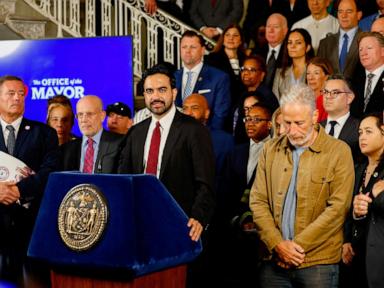 ABC Newsnot rated
FramingEmphasizes the resistance and conflict required to obtain the documents—'fights against' implies obstruction—whereas other outlets report the release more straightforwardly.
Read the original
Placements are generated by an AI model from each article’s own headline and summary, and every quotation above is checked to be a real substring of that article before it is published. How this is done
Prism is free and carries no advertising. Support it if it was useful.