Dutch rail network sabotaged, parts of network grind to halt ahead of parliamentary opening
Reported by
A dot shows how that piece reads — Prism rates articles, not outlets, and shows the words behind each placement below. No dot means the piece isn’t rated. How the ratings work

What happened
The account the coverage agrees on, with contested figures attributed rather than asserted. This is not one of the five framings below — it is the ground they all stand on.
Suspected sabotage disrupted train services across parts of the Netherlands on Tuesday, causing cancellations and delays in central and northern regions. ProRail, the rail infrastructure operator, reported finding pipes attached to railway tracks at over 20 locations, mainly in rural areas in the middle and east of the country. The disruptions occurred hours before the ceremonial state opening of parliament. A Dutch minister described the alleged sabotage as "particularly worrying." Police launched an investigation into the incidents.
How the spectrum reads this story
The same event, summarised as five points on the political spectrum would each tend to frame it. These are generated by an AI model and are a starting point, not the last word.
Left
This sabotage reflects deep rural discontent with state policies and centralized authority. Dutch farmers and working-class communities are resorting to direct action because their legitimate grievances—about regulations, livelihoods, and being ignored—have gone unheard through normal channels. The timing, targeting infrastructure on budget day, signals organized protest against decisions made without their input. Rather than dismiss this as mere criminality, policymakers must address the structural inequalities and top-down governance that drive such desperation.
Center-left
This incident is deeply troubling and must be investigated fully—deliberate sabotage of critical infrastructure cannot be tolerated and puts public safety at risk. That said, the underlying frustrations in rural communities deserve serious attention. While the method is unacceptable, the government should engage constructively with farmers and rural populations to understand their concerns about policy and representation. A dual approach of firm law enforcement and genuine dialogue on grievances would be appropriate.
Center
This is a serious criminal matter requiring swift investigation and prosecution—sabotaging infrastructure endangers lives and disrupts essential services, and cannot be justified regardless of grievance. At the same time, the fact that people feel driven to such extreme measures suggests communication failures between government and affected communities. The response should combine strong security and law enforcement with a pragmatic effort to understand what has made rural and farming communities feel unheard, without implying that sabotage was reasonable.
Center-right
Acts of sabotage are criminal and dangerous, period. They cannot be excused by claims of grievance, and those responsible must face serious consequences. That said, when significant portions of the population feel compelled to take illegal action, it signals that government has become disconnected from citizens' real concerns—whether farmers' regulatory burdens, rural economic challenges, or perceived disrespect for their way of life. The government should restore order firmly while also listening to legitimate complaints and adjusting policies where warranted.
Right
This sabotage reveals how far citizens have been pushed by an unresponsive, ideologically-driven state that ignores the concerns of working people and farmers. The timing—targeting infrastructure on budget day—shows organized resistance to government decisions made without meaningful input from those affected. While law enforcement must investigate, this is a symptom of a government that has lost legitimacy among significant portions of its own population. Real governance requires respecting citizens' views, not dismissing them until they resort to direct action.
Hear two viewpoints debate it
Pick two viewpoints and Prism writes a short, six-turn exchange about this story in each one’s own voice — steel-manned, no winner declared. Each pairing is written once and then saved for every reader. The voices are AI syntheses of a tradition, not real people.
New pairing — Prism will write it now.
How each outlet covered it
Where Prism places each piece — not the outlet in general — with the words from that piece that put it there, and the photograph the outlet chose. Picking a photo is a framing decision too.
- UPIThis piece reads center
“Suspected sabotage brought parts of the Netherlands' rail system to standstill”
Read the original 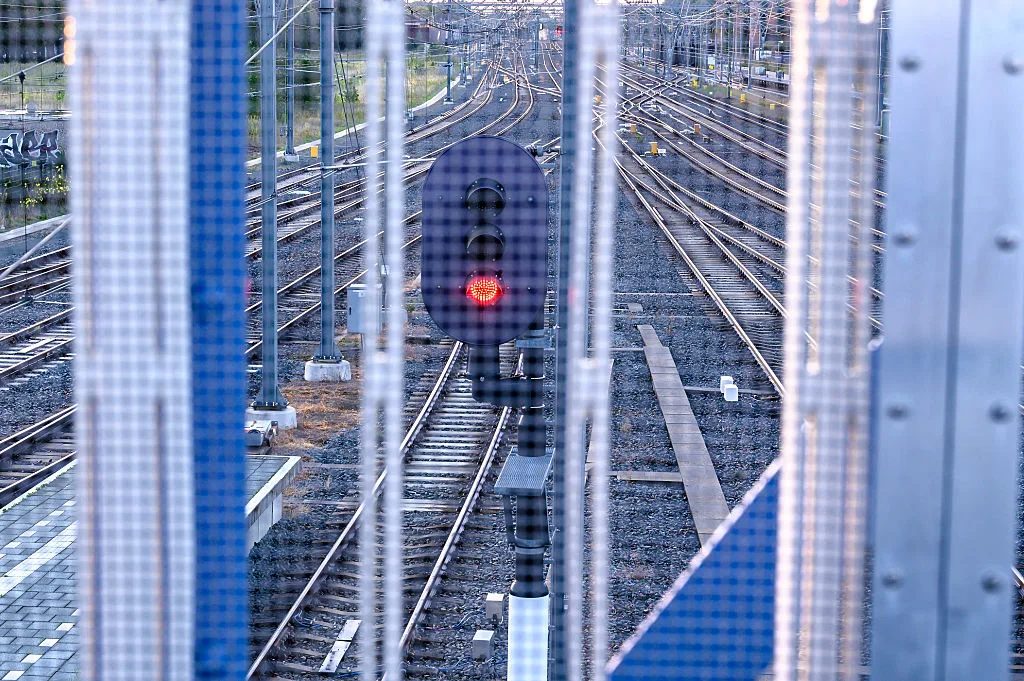 Brussels SignalThis piece reads center
“objects were found on tracks, leading to safety concerns”
What's left outUses the vaguer term 'objects' rather than 'pipes'—less specific than other outlets, which creates ambiguity about what was actually found.
Read the original- Politico EuropeThis piece reads center
“Sabotage suspected as parts of Dutch rail network come to a standstill”
Read the original  The SunThis piece reads center-right
“DELIBERATE sabotage plot has disrupted train services”
Word choiceUses all-caps 'DELIBERATE' and frames it as a coordinated 'plot,' language suggesting intentional conspiracy; other outlets describe it more neutrally as 'suspected' or 'alleged' sabotage without the conspiratorial framing.
Read the original- The Jerusalem PostThis piece reads center-right
“Dutch farmers ignite highway fires, sabotage railways”
FramingHeadline directly attributes the sabotage to farmers as agents, whereas other outlets report the sabotage without naming a responsible group—this assigns blame before investigation is complete.
Read the original

Placements are generated by an AI model from each article’s own headline and summary, and every quotation above is checked to be a real substring of that article before it is published. How this is done
Prism is free and carries no advertising. Support it if it was useful.