Trump announces $5,000 'dividend' payment to Americans if Republicans win midterms at GOP convention
Reported by
A dot shows how that piece reads — Prism rates articles, not outlets, and shows the words behind each placement below. No dot means the piece isn’t rated. How the ratings work
What happened
The account the coverage agrees on, with contested figures attributed rather than asserted. This is not one of the five framings below — it is the ground they all stand on.
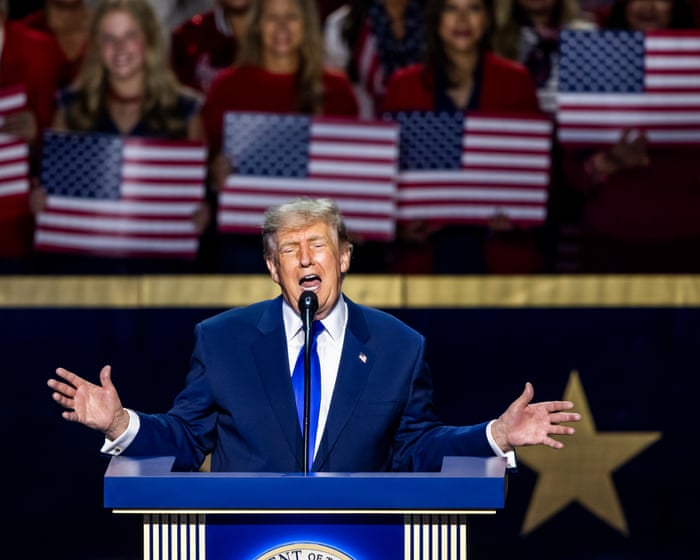
At the Republican midterm convention in Dallas on Wednesday, President Trump promised a $5,000 "dividend" to every adult U.S. citizen if Republicans retain control of both the House and Senate in the November midterm elections. Trump did not provide details on how the payments would be funded or administered, though NBC reported he said the money would have to be spent in America.
How the spectrum reads this story
The same event, summarised as five points on the political spectrum would each tend to frame it. These are generated by an AI model and are a starting point, not the last word.
Left
Trump is using taxpayer money as a bribe to voters, a desperate ploy by a deeply unpopular president trying to salvage Republican control of Congress. The proposal lacks any credible funding mechanism and represents a cynical attempt to distract from his administration's failures on the economy, healthcare, and other core issues. This kind of transactional politics corrodes democratic discourse and treats voters as purchasable rather than engaged citizens.
Center-left
Trump's $5,000 dividend pledge is a campaign gimmick without substance. The president offered no explanation of how such a massive expenditure would be financed, whether through cuts to social programs, increased debt, or tax changes. While attempting to energize Republican voters ahead of the midterms, the promise appears designed to obscure his unpopularity with the electorate and lacks the policy rigor expected of a serious fiscal proposal.
Center
Trump's pledge is an unconventional campaign tactic that raises legitimate questions about feasibility and funding while also reflecting genuine frustration with how politicians typically make vague promises without specifics. The lack of detail is concerning from a fiscal responsibility standpoint, yet the pledge's conditional nature—tied to Republican victory—at least avoids the appearance of an outright giveaway. Both the boldness of the offer and the absence of implementation details merit scrutiny, and voters should demand clarity before taking such commitments at face value.
Center-right
Trump's dividend proposal, while lacking implementation details, reflects an appealing instinct to share economic gains with citizens rather than letting government keep all revenues. The president is attempting to highlight Republican economic stewardship and argue that GOP policies produce surpluses that can benefit working Americans. However, the proposal needs substantive policy backing—how would it be funded, through what mechanism, and would it maintain fiscal discipline—before it can be evaluated as serious policy rather than rhetoric.
Right
Trump is challenging the political establishment by directly offering Americans a tangible benefit tied to Republican success, turning the midterms into a referendum on results rather than abstract ideology. This represents refreshing directness compared to typical political promises; he's essentially saying his policies have created enough economic strength that returns should flow to citizens. While critics demand impossible details, the core message—that a thriving economy under Republican governance can deliver real benefits—resonates with voters tired of empty establishment politics.
Hear two viewpoints debate it
Pick two viewpoints and Prism writes a short, six-turn exchange about this story in each one’s own voice — steel-manned, no winner declared. Each pairing is written once and then saved for every reader. The voices are AI syntheses of a tradition, not real people.
New pairing — Prism will write it now.
How each outlet covered it
Where Prism places each piece — not the outlet in general — with the words from that piece that put it there, and the photograph the outlet chose. Picking a photo is a framing decision too.
- DWThis piece reads center-left
“called Democrats evil and immigrants animals”
What's left outIncludes inflammatory characterizations from Trump's speech that other outlets omit, emphasizing the harshness of his rhetoric.
Read the original 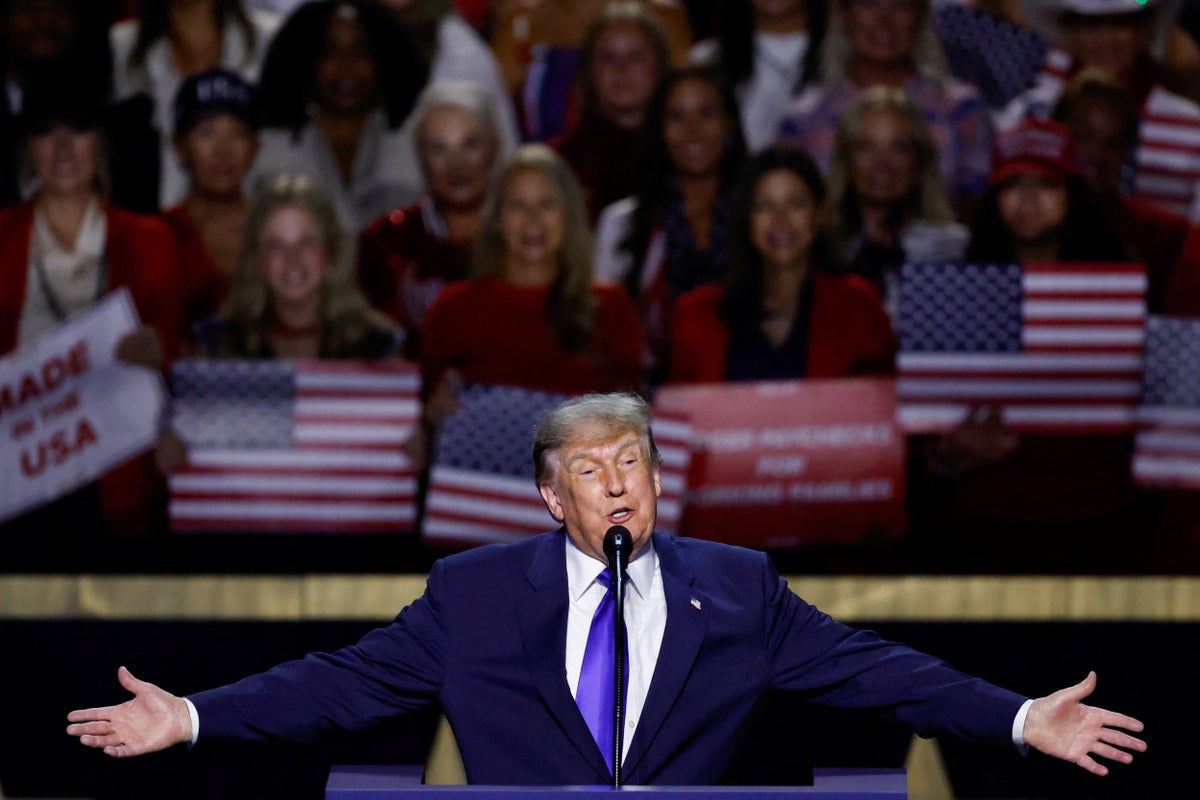 The IndependentThis piece reads center-left
Headline changedwas “'Trump dividend' or bribery? President promises to pay $5,000 to every US adult”
“Trump dividend' or bribery?”
Word choiceOpens with a loaded question framing the pledge as potentially illegal or unethical, where other outlets simply report the promise as made.
Read the original Washington ExaminerThis piece reads center
“President Donald Trump promised to deliver”
Read the original- CBS NewsThis piece reads center
“He didn't offer details on how the payments would work”
Read the original 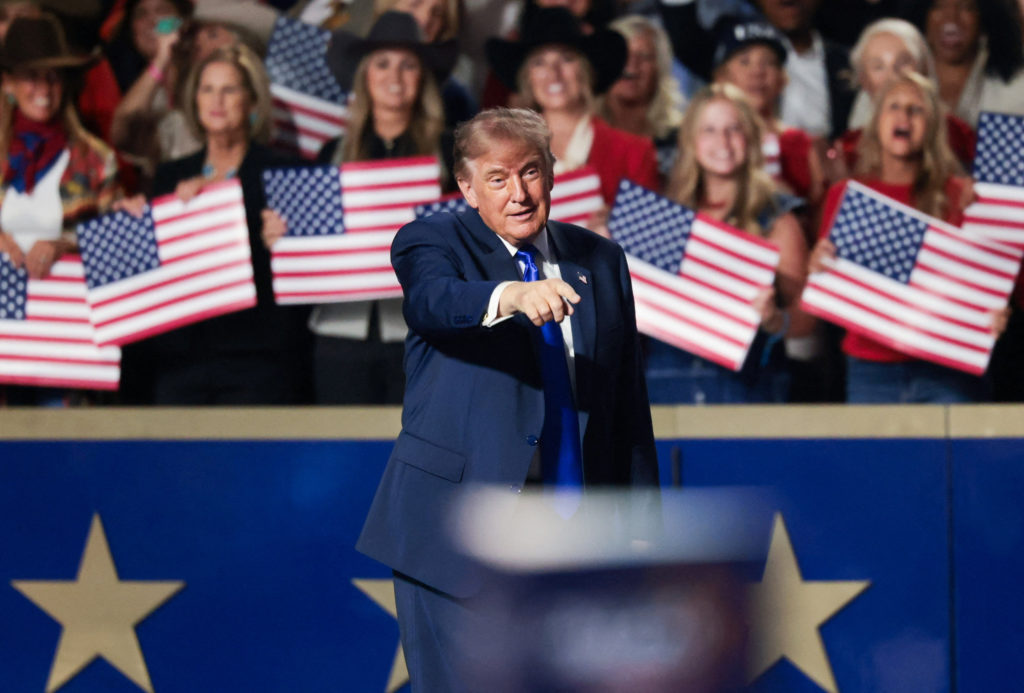
- The GuardianThis piece reads center
“Trump claims he will give $5,000 to every American”
FramingContextualizes Trump's appeal for votes by noting his unpopularity, a critical framing not present in most other coverage.
Read the original 

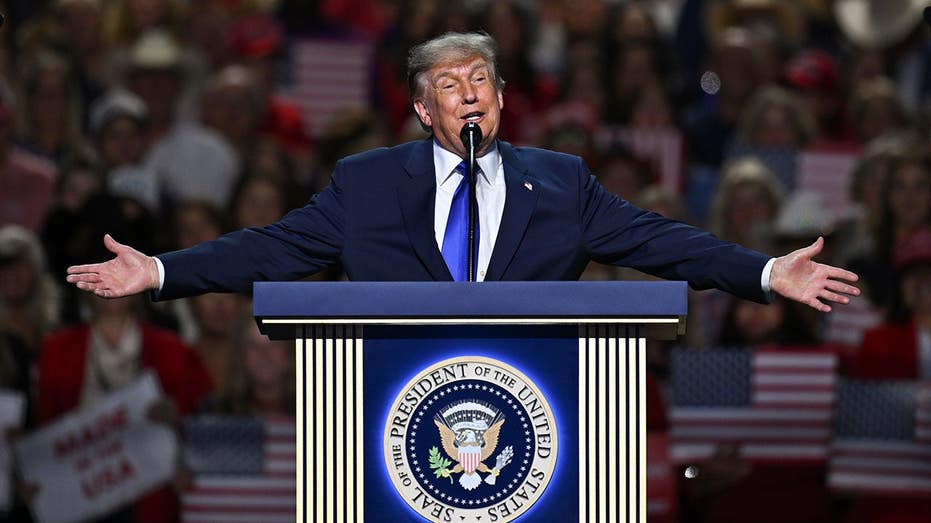 Fox NewsThis piece reads center-right
“stunning first-of-its-kind cash promise”
Word choiceUses 'stunning' and 'first-of-its-kind' to convey the pledge as noteworthy and bold, language other outlets avoid in favor of neutral description.
Read the original- BreitbartThis piece reads center-right
“Trump Pledges $5,000 Dividend to Each American”
Read the original
Placements are generated by an AI model from each article’s own headline and summary, and every quotation above is checked to be a real substring of that article before it is published. How this is done
Prism is free and carries no advertising. Support it if it was useful.