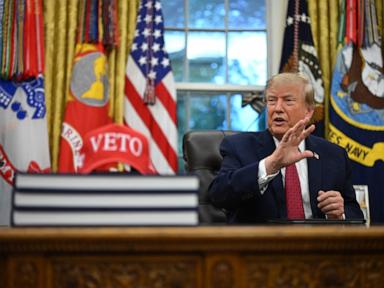
Trump signs proclamation designating Oval Office as national monument
Reported by
A dot shows how that piece reads — Prism rates articles, not outlets, and shows the words behind each placement below. No dot means the piece isn’t rated. How the ratings work
What happened
The account the coverage agrees on, with contested figures attributed rather than asserted. This is not one of the five framings below — it is the ground they all stand on.
On Thursday, Trump signed a proclamation designating the Oval Office, Outer Oval Office, and Cabinet Room as national monuments. Trump stated the move would prevent future administrations from changing his design of these spaces. ABC News and The Hill reported that the proclamation would require ratification by Congress. Trump has filled the Oval Office with gold flourishes and said the changes should not be 'ripped down by stupid people,' according to The Guardian.
How the spectrum reads this story
The same event, summarised as five points on the political spectrum would each tend to frame it. These are generated by an AI model and are a starting point, not the last word.
Left
Trump is using a legal mechanism meant to protect public lands and cultural heritage for a transparently partisan purpose: locking in his personal aesthetic choices and preventing elected successors from making their own decisions about the nation's most important office. This misuse of the National Monuments Act shows how he weaponizes government power to serve his ego rather than the public interest, and his crude language about 'stupid people' reveals contempt for democratic processes.
No article in this story reads this way. This is how the position tends to frame events like it — written by a model, not quoted from anyone.
Center-left
Trump is attempting to use the National Monuments Act—a tool designed for environmental and historical preservation—to protect his personal interior design choices from being altered by future presidents. This represents an unusual and questionable application of the law. His effort to enshrine his design preferences in legal stone raises concerns about whether this is an appropriate use of executive authority and whether Congress should weigh in on such matters.
Drawn from 2 articles placed here, below.
Center
Trump signed a proclamation designating White House rooms as national monuments, a legally novel application of presidential authority. The move requires Congressional ratification and raises genuine questions about whether this is a legitimate use of the Monuments Act or an overreach. The fact that he did this immediately after midterm losses suggests it may be more about personal legacy than sound governance, yet the legal and practical implications remain unclear until Congress acts.
Drawn from 3 articles placed here, below.
Center-right
Trump is taking steps to preserve the Oval Office design he has created, which he believes represents an improvement to the space. While the use of monument status is unconventional, it reflects his desire to protect his work from partisan reversal by future administrations. The proclamation appropriately requires Congressional approval, ensuring proper oversight. The timing suggests he is focused on his legacy and protecting his accomplishments from being undone.
No article in this story reads this way. This is how the position tends to frame events like it — written by a model, not quoted from anyone.
Right
Trump is rightfully protecting his vision for the Oval Office from being destroyed by future administrations hostile to his accomplishments. He has transformed these spaces into something dignified and impressive, and it is appropriate that he would want to preserve that work rather than see it 'ripped down' by political opponents. This creative use of executive authority demonstrates his willingness to think outside conventional bounds to safeguard what he has built.
No article in this story reads this way. This is how the position tends to frame events like it — written by a model, not quoted from anyone.
Hear two viewpoints debate it
Pick two viewpoints and Prism writes a short, six-turn exchange about this story in each one’s own voice — steel-manned, no winner declared. Each pairing is written once and then saved for every reader. The voices are AI syntheses of a tradition, not real people.
New pairing — Prism will write it now.
How each outlet covered it
Where Prism places each piece — not the outlet in general — with the words from that piece that put it there, and the photograph the outlet chose. Picking a photo is a framing decision too.
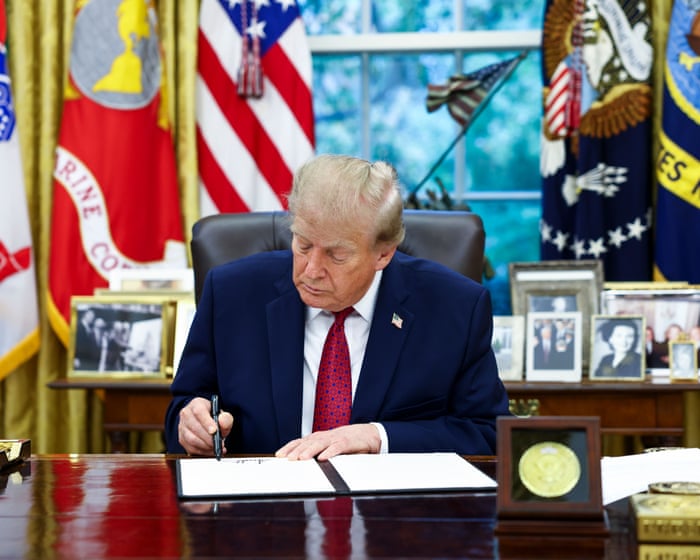 The GuardianThis piece reads center-left
“ripped down by stupid people”
What's left outQuotes Trump's inflammatory language directly, which other outlets omit entirely—letting readers see his specific word choice rather than a neutral paraphrase of his intent.
Read the original- Bloombergnot rated
What's left outCovers an entirely different event—Trump's comments on market losses after midterms—rather than the Oval Office proclamation that is the subject of all other articles.
Read the original 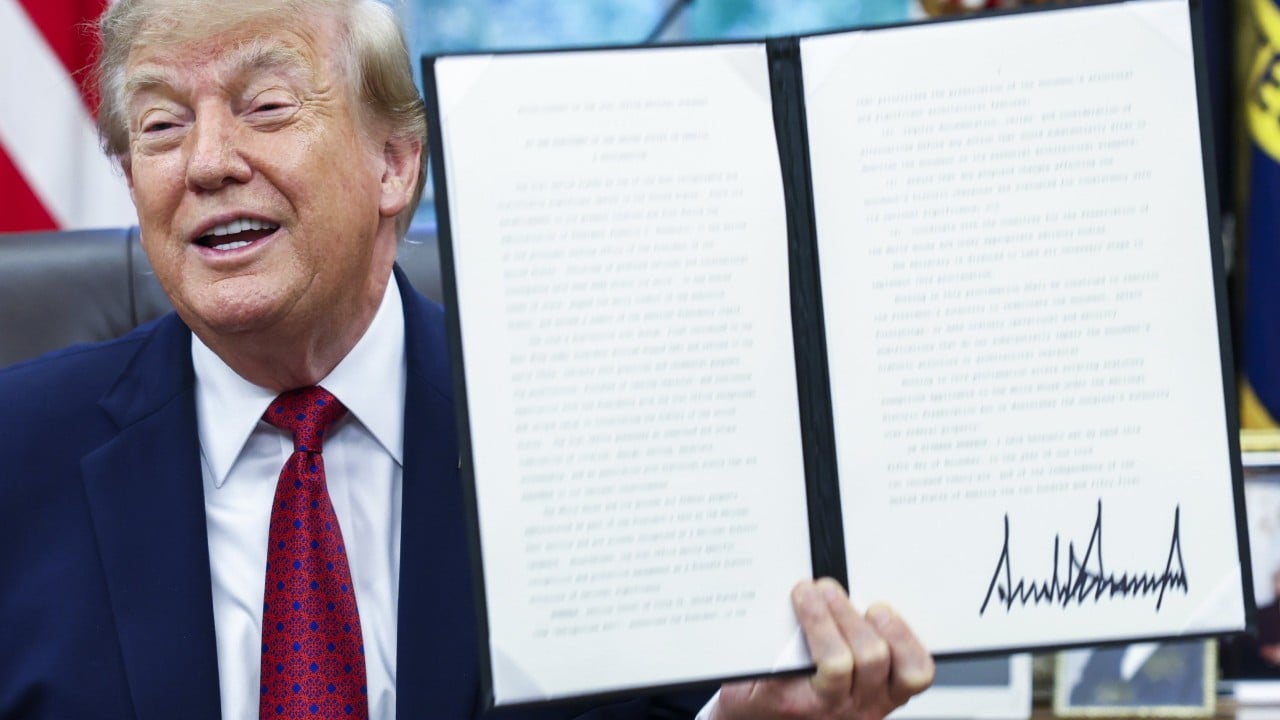 South China Morning PostThis piece reads center-left
“gold flourishes”
Word choiceNames the specific decorative changes Trump made to the Oval Office, while other outlets either avoid describing his design or use more neutral terms like 'design' or 'redesign'.
Read the original- ABC NewsThis piece reads center
“Trump indicated the proclamation would have to be ratified by Congress”
Read the original  NYTThis piece reads center
“post-midterm elections preoccupation on White House renovation”
Read the original
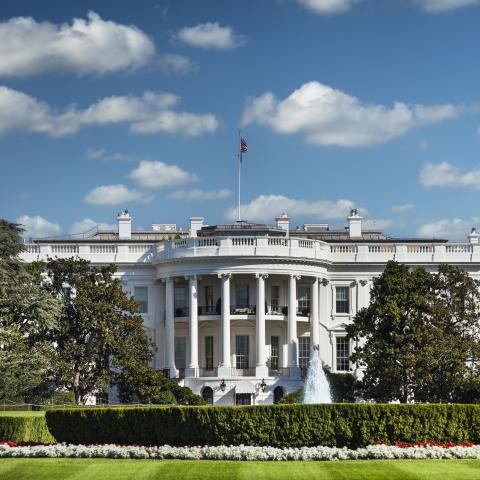 Just the Newsnot ratedRead the original
Placements are generated by an AI model from each article’s own headline and summary, and every quotation above is checked to be a real substring of that article before it is published. How this is done
Prism is free and carries no advertising. Support it if it was useful.