Greenland parliament ratifies US security agreement with Trump administration
Reported by
A dot shows how that piece reads — Prism rates articles, not outlets, and shows the words behind each placement below. No dot means the piece isn’t rated. How the ratings work
What happened
The account the coverage agrees on, with contested figures attributed rather than asserted. This is not one of the five framings below — it is the ground they all stand on.
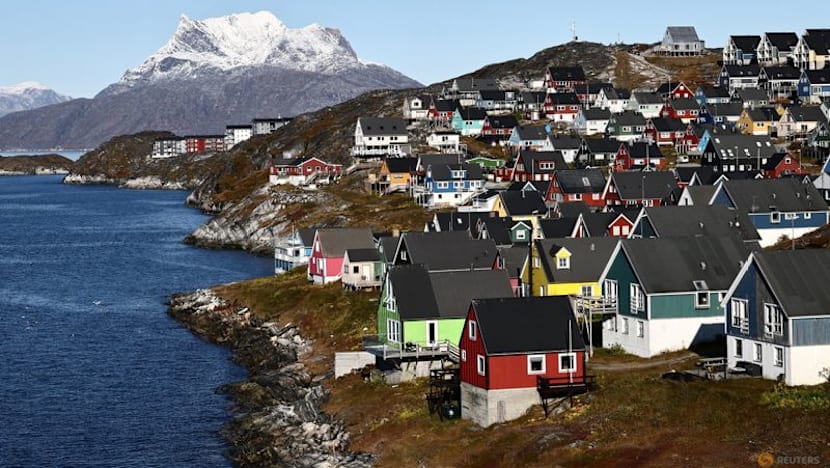
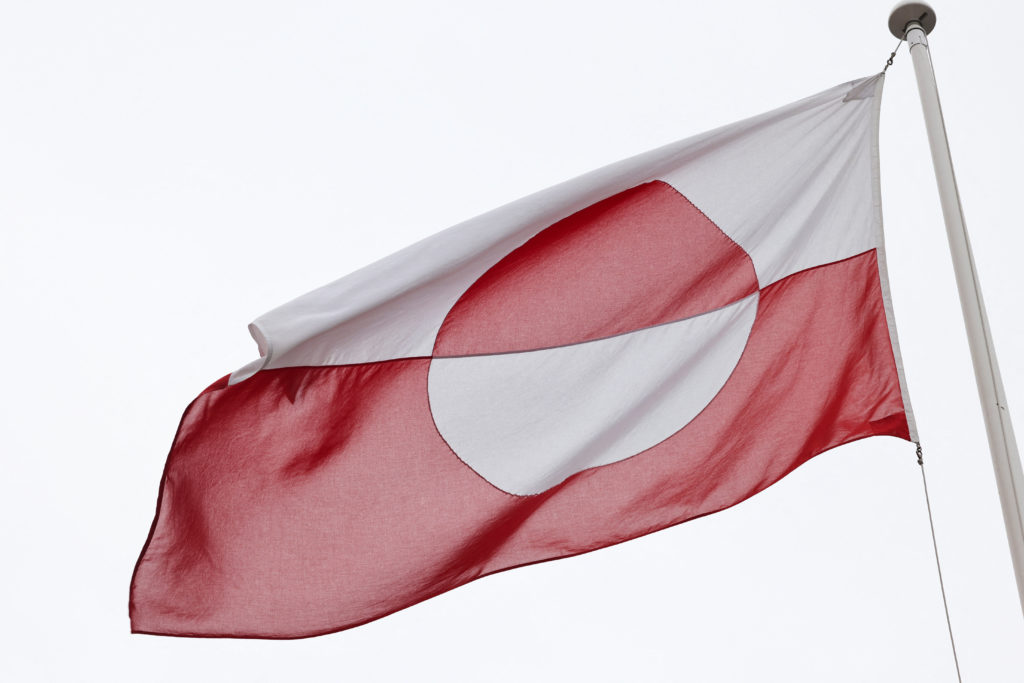
Greenland's parliament ratified a security agreement with the United States and Denmark on November 3. The vote was 16–0 with seven abstentions. The accord, signed in September, expands U.S. military presence on the Arctic island, which is part of Denmark. It followed months of pressure from President Trump, who had previously threatened to take control of Greenland. Danish lawmakers must still approve the deal before it takes effect.
How the spectrum reads this story
The same event, summarised as five points on the political spectrum would each tend to frame it. These are generated by an AI model and are a starting point, not the last word.
Left
Trump's months-long campaign to dominate Greenland, including threats to seize it from a NATO ally, represents a dangerous destabilization of the Atlantic alliance. That Greenland's parliament capitulated under this pressure shows how even democratic institutions bend when a major power applies coercive force. The deal expands U.S. militarization of the Arctic at Denmark's expense and raises troubling questions about sovereignty and whether smaller allies can resist great-power pressure.
No article in this story reads this way. This is how the position tends to frame events like it — written by a model, not quoted from anyone.
Center-left
Trump's earlier rhetoric about acquiring Greenland was alarming and damaged relations with a key NATO partner. While the security agreement itself addresses legitimate Arctic security concerns, it came only after sustained pressure and threats that strained the transatlantic relationship. The ratification is a diplomatic resolution, but it underscores how Trump's unpredictable approach forced Denmark and Greenland into a negotiation they might not have initiated otherwise.
Drawn from 2 articles placed here, below.
Center
Greenland's ratification resolves an unusual episode that began with Trump's provocative language about acquisition but evolved into a standard security arrangement. The deal balances legitimate U.S. Arctic interests against the sensitivities of NATO allies and an autonomous territory. While the initial pressure was disruptive, the eventual agreement—approved by Greenland's elected representatives—represents a pragmatic outcome. Denmark's remaining approval is a formality for an accord already endorsed by its most affected constituent.
Drawn from 2 articles placed here, below.
Center-right
The security agreement reflects genuine U.S. interests in the Arctic as strategic competition with Russia intensifies. Greenland's parliament's approval demonstrates that the deal has local support and addresses real security needs. Trump's earlier blunt language was unconventional, but the underlying objective—strengthening Western Arctic defenses—is sound. The agreement is now a trilateral framework that respects sovereignty while allowing the U.S. to deepen its presence where it matters most geopolitically.
Drawn from 1 article placed here, below.
Right
After Trump clearly signaled U.S. commitment to Arctic security, Greenland and Denmark came to the table and negotiated a deal that serves everyone's interests. The agreement expands U.S. military capability in a critical region without violating Danish sovereignty, and Greenland's lawmakers approved it decisively. This shows that clear American resolve and willingness to pursue national interests, combined with diplomatic skill, can achieve outcomes that protect the West without unnecessary conflict with allies.
No article in this story reads this way. This is how the position tends to frame events like it — written by a model, not quoted from anyone.
Hear two viewpoints debate it
Pick two viewpoints and Prism writes a short, six-turn exchange about this story in each one’s own voice — steel-manned, no winner declared. Each pairing is written once and then saved for every reader. The voices are AI syntheses of a tradition, not real people.
New pairing — Prism will write it now.
How each outlet covered it
Where Prism places each piece — not the outlet in general — with the words from that piece that put it there, and the photograph the outlet chose. Picking a photo is a framing decision too.
 PBS NewsHourThis piece reads center-left
“following pressure from Trump”
FramingUses 'sought to control' language where other outlets describe the deal itself; this characterizes Trump's intent rather than the final agreement's substance.
Read the original- DWThis piece reads center-left
“opened a major rift in the transatlantic alliance”
FramingFrames the pressure as having created alliance damage; other outlets report the pressure and the agreement without assessing its effect on transatlantic relations.
Read the original 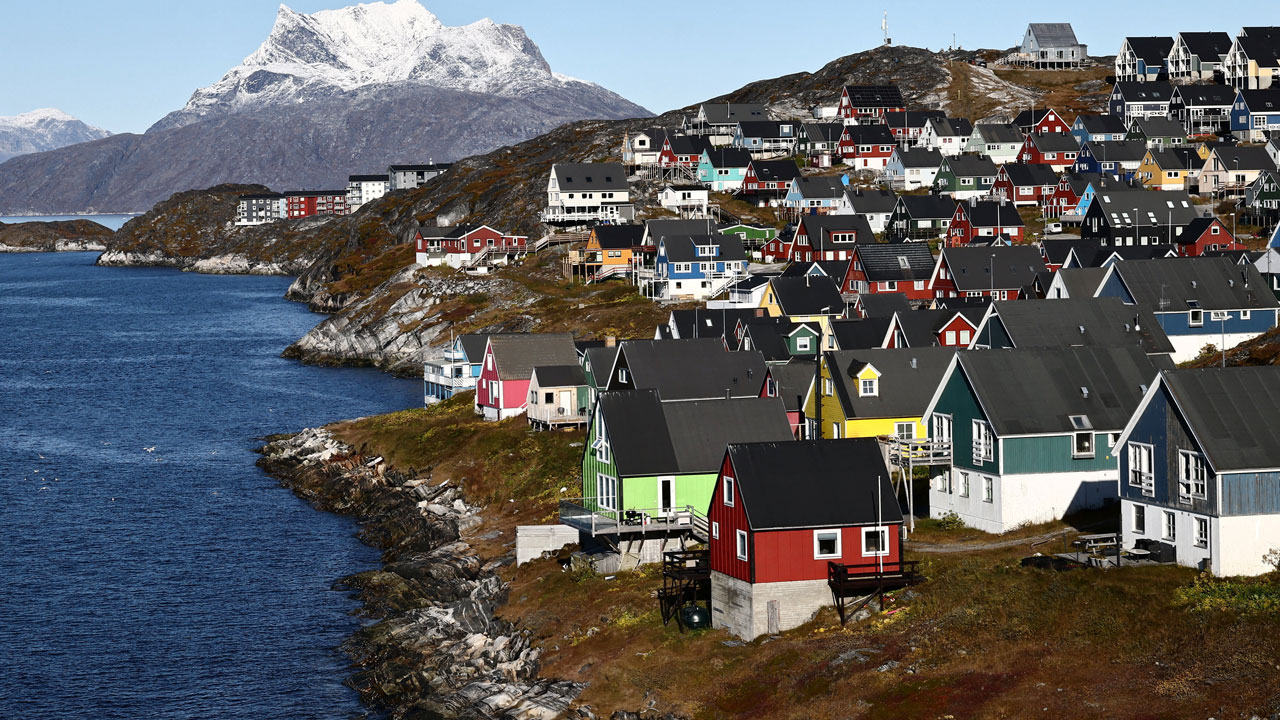 The Daily SignalThis piece reads center
“ratified the Arctic island's security agreement”
Read the original Just the NewsThis piece reads center-right
“Greenland lawmakers approve security agreement”
What's left outEmphasizes the unanimity of the vote count rather than noting the seven abstentions, which other outlets include as a sign of some internal disagreement.
Read the original
Placements are generated by an AI model from each article’s own headline and summary, and every quotation above is checked to be a real substring of that article before it is published. How this is done
Prism is free and carries no advertising. Support it if it was useful.