UK PM John Healey opens door to formal apology for Britain's slave trade
Reported by
A dot shows how that piece reads — Prism rates articles, not outlets, and shows the words behind each placement below. No dot means the piece isn’t rated. How the ratings work
What happened
The account the coverage agrees on, with contested figures attributed rather than asserted. This is not one of the five framings below — it is the ground they all stand on.
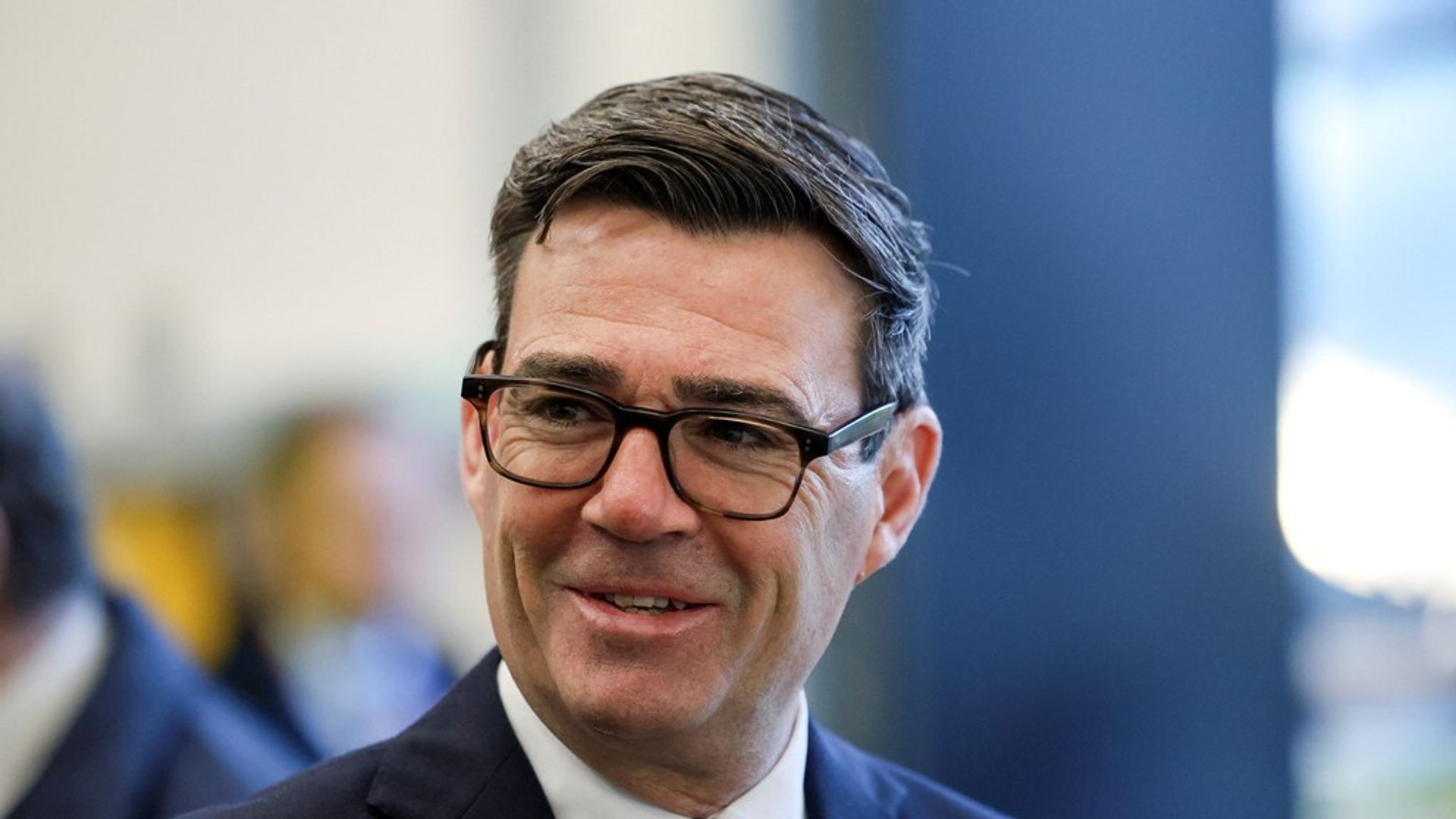
UK Prime Minister Andy Burnham said he is open to Britain making a formal apology for its role in the transatlantic slave trade, marking a potential shift from previous government policy. He ruled out financial reparations despite longstanding Caribbean demands. Burnham proposed his government would begin a "structured dialogue" with those affected by slavery. He made these comments as King Charles continued a tour of the Caribbean.
How the spectrum reads this story
The same event, summarised as five points on the political spectrum would each tend to frame it. These are generated by an AI model and are a starting point, not the last word.
Left
This is a grudging half-measure that avoids the core issue. A formal apology without reparations is empty gesture politics—words cost nothing while the wealth extracted through slavery built Britain's power. Until the government commits to material redress and repair of the economic harms that persist today, this offer is theater designed to manage Caribbean anger without actual accountability.
No article in this story reads this way. This is how the position tends to frame events like it — written by a model, not quoted from anyone.
Center-left
The prime minister's willingness to consider an apology represents meaningful progress on historical justice. However, the simultaneous rejection of reparations weakens the gesture significantly. A structured dialogue is a constructive first step, but genuine reconciliation requires grappling honestly with both symbolic and substantive forms of accountability. The government should remain open to evolving its position based on what those affected by slavery actually need.
Drawn from 1 article placed here, below.
Center
Burnham's position attempts to balance competing concerns: acknowledging historical wrongs while managing fiscal constraints and avoiding open-ended commitments. An apology addresses the moral dimension without the economic exposure of reparations. The dialogue mechanism is practical—it creates space for discussion without predetermined outcomes. However, this middle ground satisfies neither those who see apologies as insufficient without reparations, nor those who prefer to leave history undisturbed.
Drawn from 3 articles placed here, below.
Center-right
An apology may be appropriate for historical wrongs, but the prime minister is right to reject reparations. Britain cannot be held financially responsible in perpetuity for events centuries past, and a dialogue process allows for thoughtful discussion without binding the nation to unaffordable commitments. The focus should be on current relations and shared interests with Caribbean nations rather than reopening settled historical questions.
Drawn from 1 article placed here, below.
Right
This is another example of elite politicians apologizing for Britain's past rather than celebrating its achievements or defending its sovereignty from constant guilt-mongering. An apology validates the narrative that Britain should be ashamed of itself. Reparations are rightly off the table, but even entertaining formal apologies sets a dangerous precedent that the country must perpetually atone for historical actions no living person committed.
No article in this story reads this way. This is how the position tends to frame events like it — written by a model, not quoted from anyone.
Hear two viewpoints debate it
Pick two viewpoints and Prism writes a short, six-turn exchange about this story in each one’s own voice — steel-manned, no winner declared. Each pairing is written once and then saved for every reader. The voices are AI syntheses of a tradition, not real people.
New pairing — Prism will write it now.
How each outlet covered it
Where Prism places each piece — not the outlet in general — with the words from that piece that put it there, and the photograph the outlet chose. Picking a photo is a framing decision too.
- StuffThis piece reads center-left
“signals the government will consider an apology”
What's left outThe only outlet to quote Burnham's specific proposed mechanism for engagement, giving more detail about what the government is actually offering beyond the apology question.
Read the original 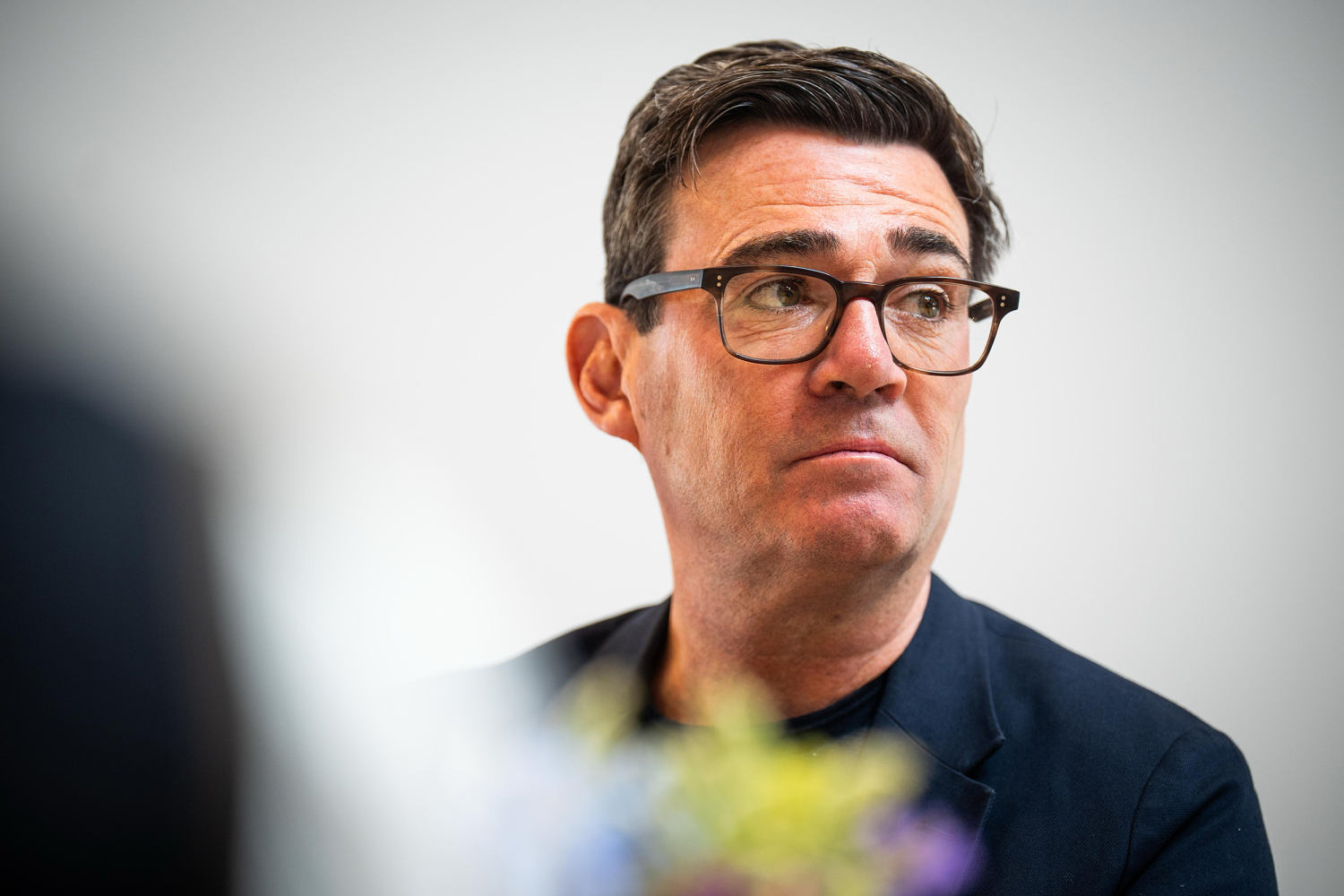 NBC Newsnot ratedRead the original
- Politico EuropeThis piece reads center
“rejected calls for Britain to pay financial reparations”
FramingLeads with the rejection rather than the openness to apology, giving reparations prominence as the news hook. Other outlets lead with the apology openness.
Read the original  Daily MailThis piece reads center-right
“would be a significant U-turn on previous government policy”
FramingFrames the openness to apology as a reversal, emphasizing discontinuity with prior positions. Other outlets present it more neutrally as a position Burnham is signaling.
Read the original

Placements are generated by an AI model from each article’s own headline and summary, and every quotation above is checked to be a real substring of that article before it is published. How this is done
Prism is free and carries no advertising. Support it if it was useful.