Two men charged in UK with assisting Iran over RAF Fairford incident
Reported by
A dot shows how that piece reads — Prism rates articles, not outlets, and shows the words behind each placement below. No dot means the piece isn’t rated. How the ratings work

What happened
The account the coverage agrees on, with contested figures attributed rather than asserted. This is not one of the five framings below — it is the ground they all stand on.
Two British men aged 24, Mohmed Abdulkarim and Nouman Essghir, both from London, were charged Tuesday under Britain's National Security Act following a security incident at RAF Fairford in southwest England last month. Abdulkarim was charged with assisting a foreign intelligence service, believed to be Iran's. Essghir was charged with entering a prohibited place for a purpose prejudicial to Britain at the airbase on August 22. Five British men had been arrested outside the base in connection with the incident; seven suspects were later released on bail.
How the spectrum reads this story
The same event, summarised as five points on the political spectrum would each tend to frame it. These are generated by an AI model and are a starting point, not the last word.
Left
The charges reveal how Britain's security apparatus responds to alleged foreign interference, though the slow progress—with seven suspects released on bail before these two charges—raises questions about the actual threat level and whether aggressive national security laws are being applied fairly. The incident itself occurred at a base used for strikes on Iran, highlighting how military activities can create security vulnerabilities and international tensions that spiral into domestic prosecutions.
No article in this story reads this way. This is how the position tends to frame events like it — written by a model, not quoted from anyone.
Center-left
British authorities have charged two men with national security offences following an alleged Iranian intelligence operation against RAF Fairford. The charges reflect serious concerns about foreign espionage on British soil, though the release of seven other suspects on bail and the time taken to bring charges suggest the case may be more complex than initial reports indicated. Stronger vetting and security protocols for sensitive military installations should be reviewed.
Drawn from 2 articles placed here, below.
Center
Two British nationals have been charged under national security laws after an incident at RAF Fairford involving alleged Iranian intelligence activity. The facts remain somewhat unclear—five men were arrested, seven released on bail, and now two face charges—suggesting either a developing investigation or that early arrests were precautionary. The base's role in U.S. operations against Iran provides context but doesn't determine what actually happened or what the appropriate response should be.
Drawn from 5 articles placed here, below.
Center-right
British counterterrorism police have charged two men with assisting Iranian intelligence in what appears to be a deliberate attempt to compromise RAF Fairford, a strategically important base. The incident underscores the real threat of hostile foreign intelligence services operating within Britain and attempting to gather intelligence on or sabotage facilities used in operations against adversaries. Swift prosecution sends an important message about protecting national security.
Drawn from 1 article placed here, below.
Right
Two men have been charged with helping Iran target RAF Fairford, demonstrating the reality of foreign intelligence operations on British soil. The fact that seven suspects were released on bail before charges were brought raises troubling questions about whether authorities are adequately protecting critical military infrastructure from hostile foreign powers. Britain must strengthen security vetting and surveillance of individuals in proximity to sensitive defense facilities.
No article in this story reads this way. This is how the position tends to frame events like it — written by a model, not quoted from anyone.
Hear two viewpoints debate it
Pick two viewpoints and Prism writes a short, six-turn exchange about this story in each one’s own voice — steel-manned, no winner declared. Each pairing is written once and then saved for every reader. The voices are AI syntheses of a tradition, not real people.
New pairing — Prism will write it now.
How each outlet covered it
Where Prism places each piece — not the outlet in general — with the words from that piece that put it there, and the photograph the outlet chose. Picking a photo is a framing decision too.
- Morning StarThis piece reads center-left
“Iranian spy plot”
Word choiceFrames the alleged activity as a 'spy plot', language suggesting confirmed intent and gravity, where other outlets describe it more neutrally as alleged assistance to foreign intelligence or a security incident.
Read the original 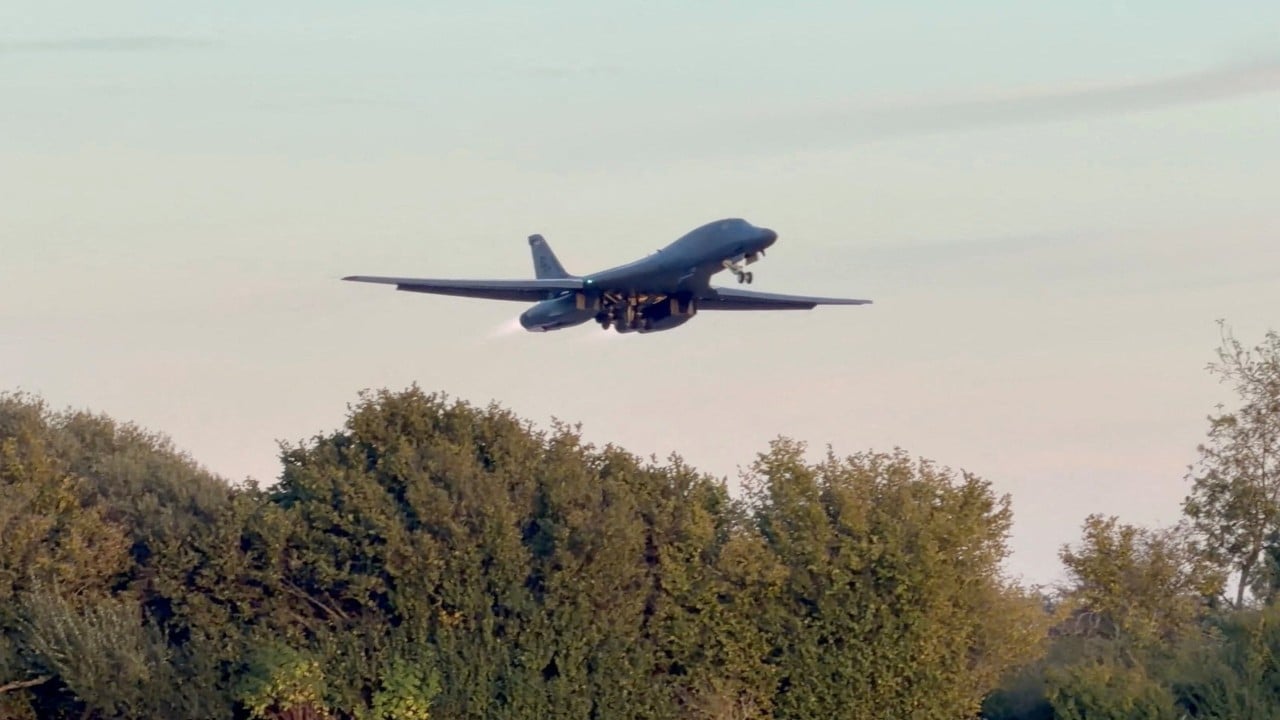 South China Morning PostThis piece reads center-left
“RAF Fairford had been used by US bombers to carry out strikes on Iran”
What's left outIncludes context about the base's operational history with Iran strikes, providing geopolitical background that other outlets omit, which frames the incident within a pattern of U.S.-Iran tension.
Read the original- The Irish TimesThis piece reads center
“Five British men were arrested outside the base in southwest England last month”
Read the original 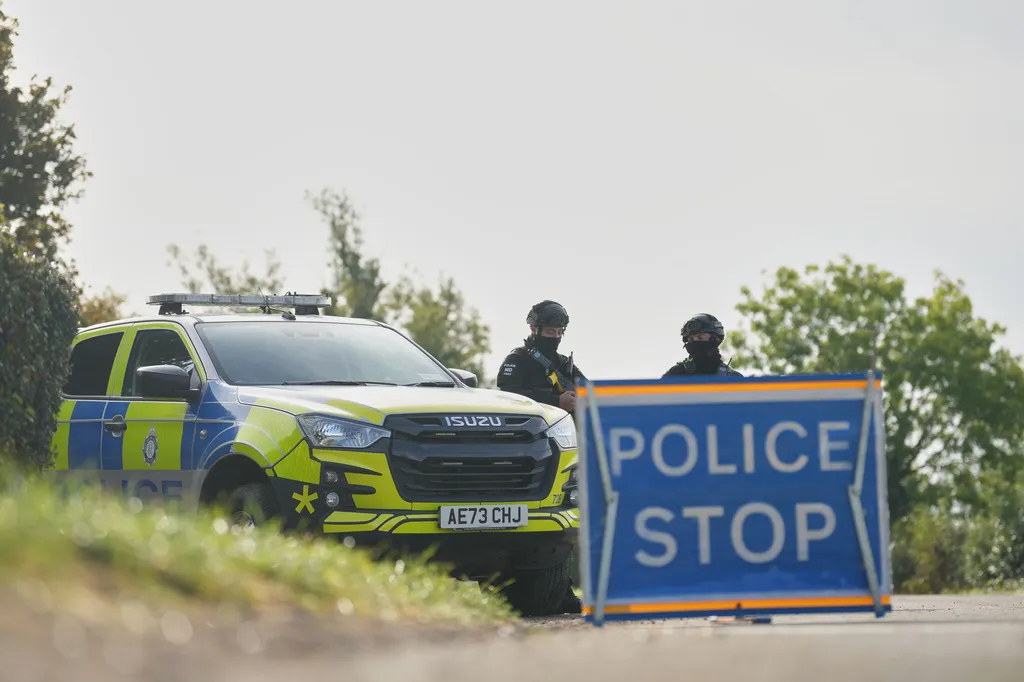
- The Jerusalem PostThis piece reads center
“suspected of assisting Iranian intelligence activities”
Read the original - CNBCThis piece reads center
“Man charged with assisting 'foreign intelligence service”
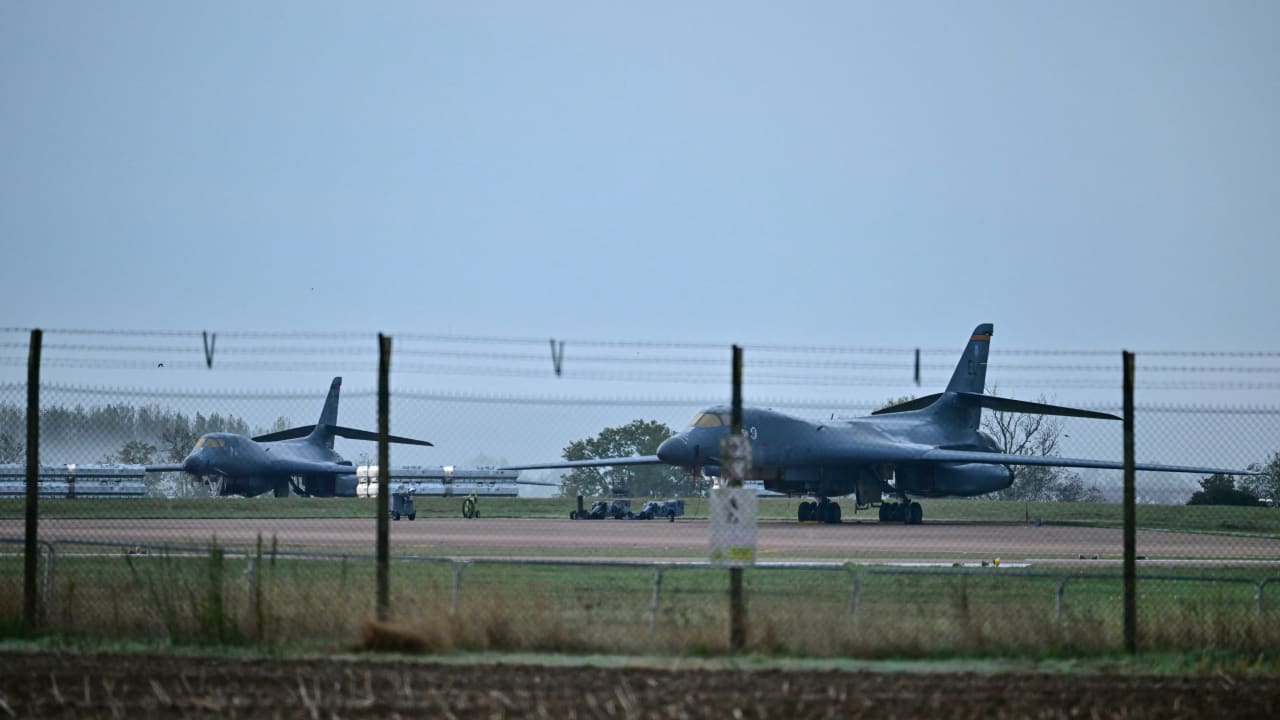
Read the original  Daily ExpressThis piece reads center-right
“Terror cop defends RAF Fairford inquiry”
FramingThe headline emphasizes a defensive posture and internal tension ('defends', 'appear illogical'), suggesting controversy over the investigation, whereas other outlets report the charges as the primary news.
Read the original
Placements are generated by an AI model from each article’s own headline and summary, and every quotation above is checked to be a real substring of that article before it is published. How this is done
Prism is free and carries no advertising. Support it if it was useful.