Russia's FSB detains minor after US warns of potential Moscow park attack threat
Reported by
A dot shows how that piece reads — Prism rates articles, not outlets, and shows the words behind each placement below. No dot means the piece isn’t rated. How the ratings work
What happened
The account the coverage agrees on, with contested figures attributed rather than asserted. This is not one of the five framings below — it is the ground they all stand on.
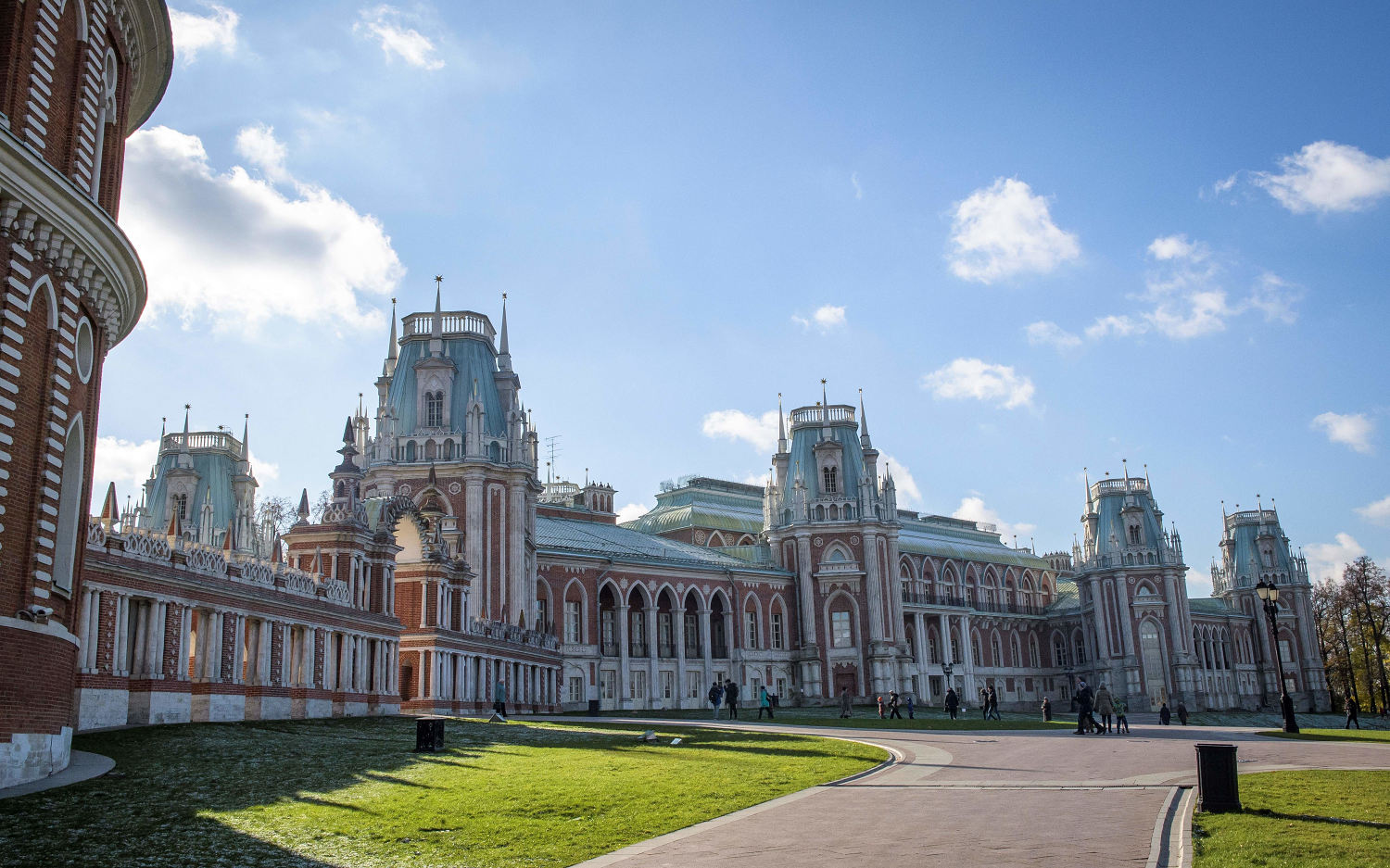
The U.S. Embassy in Moscow warned of a threat of a mass-casualty terrorist attack at Tsaritsyno Museum-Reserve. Russia's FSB said on November 1 it had received the warning through established partner channels and detained a minor on suspicion of planning a terrorist attack on a Moscow park and museum.
How the spectrum reads this story
The same event, summarised as five points on the political spectrum would each tend to frame it. These are generated by an AI model and are a starting point, not the last word.
Left
The U.S. sharing intelligence with Russia on a terror threat shows the two countries can cooperate on security matters despite geopolitical tensions. However, such cooperation must be balanced against accountability: we need transparency about what intelligence is shared, how it's used, and whether detentions are based on genuine evidence or political pretexts. Intelligence-sharing agreements between adversaries require strong oversight to prevent abuse.
No article in this story reads this way. This is how the position tends to frame events like it — written by a model, not quoted from anyone.
Center-left
This is a positive example of U.S.-Russia security cooperation on a concrete threat, demonstrating that despite their disagreements, both nations recognize the value of sharing information to prevent terrorist attacks. The detention of a minor warrants careful scrutiny to ensure due process and that the threat was genuine, but the intelligence-sharing mechanism itself represents pragmatic diplomacy focused on public safety.
No article in this story reads this way. This is how the position tends to frame events like it — written by a model, not quoted from anyone.
Center
The U.S. and Russia operated through established intelligence channels to address a specific security threat, which is how such cooperation should work regardless of broader political friction. The facts—an embassy warning, FSB acknowledgment, and a detention—are straightforward. What matters now is whether the minor receives fair legal treatment and whether this episode demonstrates that security interests can override diplomatic divides when lives are at stake.
Drawn from 4 articles placed here, below.
Center-right
The United States appropriately shared credible intelligence about a terrorist threat with Russia through proper diplomatic and security channels. Russia's FSB responded by taking action to detain the suspect, showing that both countries take security seriously. This cooperation on counterterrorism is exactly what should happen between major powers, and it demonstrates that practical security concerns can bridge even significant geopolitical differences.
No article in this story reads this way. This is how the position tends to frame events like it — written by a model, not quoted from anyone.
Right
The U.S. sharing intelligence with Russia on terror threats through established channels reflects sound foreign policy: protecting American interests abroad and maintaining functional communication with a major power on matters of genuine mutual concern. The FSB's swift response and detention show that security agencies can work together effectively. Intelligence-sharing on specific threats is consistent with national sovereignty and does not require broader political alignment.
No article in this story reads this way. This is how the position tends to frame events like it — written by a model, not quoted from anyone.
Hear two viewpoints debate it
Pick two viewpoints and Prism writes a short, six-turn exchange about this story in each one’s own voice — steel-manned, no winner declared. Each pairing is written once and then saved for every reader. The voices are AI syntheses of a tradition, not real people.
New pairing — Prism will write it now.
How each outlet covered it
Where Prism places each piece — not the outlet in general — with the words from that piece that put it there, and the photograph the outlet chose. Picking a photo is a framing decision too.
- NBC Newsnot ratedRead the original
- The Straits TimesThis piece reads center
“Russia's Federal Security Service (FSB) said”
FramingUses passive construction that centers the detention action; other outlets more directly state the minor was 'suspected of planning' or 'held on suspicion of,' which make the allegation itself more prominent than the FSB's response.
Read the original - MeduzaThis piece reads center
“U.S. Embassy warns of 'mass casualty' threat”
FramingPuts 'mass casualty' in quotes in the headline, signaling the claim comes from the embassy warning rather than stating it as established fact—more precise sourcing than outlets that state the threat plainly.
Read the original - BloombergThis piece reads center
“detained a minor teenaged boy on suspicion of planning”
Word choiceAdds 'teenaged' to describe the detainee, emphasizing youth in a way other outlets avoid—the addition subtly underscores the unusual nature of the case.
Read the original
Placements are generated by an AI model from each article’s own headline and summary, and every quotation above is checked to be a real substring of that article before it is published. How this is done
Prism is free and carries no advertising. Support it if it was useful.