Federal judge blocks Trump administration's 'medically frail' Medicaid work requirement rule
Reported by
A dot shows how that piece reads — Prism rates articles, not outlets, and shows the words behind each placement below. No dot means the piece isn’t rated. How the ratings work

What happened
The account the coverage agrees on, with contested figures attributed rather than asserted. This is not one of the five framings below — it is the ground they all stand on.
U.S. District Judge Richard Stearns in Boston blocked the Trump administration from implementing a rule that narrowed exemptions from Medicaid work requirements for people deemed not "medically frail." Twenty-five Democrat-led states sued in June, arguing the rule unlawfully made it harder for sick people to qualify for exemptions. The rule stemmed from the 2025 law known as the "One Big Beautiful Bill."
How the spectrum reads this story
The same event, summarised as five points on the political spectrum would each tend to frame it. These are generated by an AI model and are a starting point, not the last word.
Left
The court rightly stopped an administration attempt to strip healthcare from vulnerable, seriously ill people by imposing an impossibly narrow definition of medical frailty. This reflects a broader pattern of using bureaucratic hurdles to deny poor Americans the social support they depend on. The judge's decision protects those who cannot work due to genuine illness from losing their only lifeline.
No article in this story reads this way. This is how the position tends to frame events like it — written by a model, not quoted from anyone.
Center-left
The court blocked a rule that would have made it significantly harder for sick Medicaid recipients to get work requirement exemptions. States correctly argued the narrower definition of "medically frail" would cause people with serious illnesses to lose coverage they need, contradicting both the law's intent and basic fairness. The ruling upholds protections for those genuinely unable to work.
Drawn from 2 articles placed here, below.
Center
A judge found that the administration's new definition of medical frailty went too far in tightening Medicaid work requirements, potentially harming people who are legitimately too sick to work. The court weighed the administration's goal of ensuring program integrity against states' concerns that the rule was overly strict. The ruling leaves room for work requirements to continue while requiring a more reasonable approach to exemptions.
Drawn from 3 articles placed here, below.
Center-right
A judge rejected the administration's effort to tighten Medicaid work requirement exemptions, siding with states that the new medical frailty definition was too restrictive. While work requirements serve the important purpose of encouraging self-sufficiency, the rule may have set the bar unreasonably high. The decision means continued work on finding the right balance between program sustainability and fair treatment of the truly unable to work.
No article in this story reads this way. This is how the position tends to frame events like it — written by a model, not quoted from anyone.
Right
The court blocked a reasonable effort to ensure Medicaid work requirements apply fairly and prevent abuse of exemptions. The administration sought a clear standard for who qualifies as medically unable to work, but states and their allies preferred looser definitions that allow more people to avoid work. The ruling reflects judicial overreach that undermines both fiscal responsibility and the principle that able-bodied adults should contribute.
No article in this story reads this way. This is how the position tends to frame events like it — written by a model, not quoted from anyone.
Hear two viewpoints debate it
Pick two viewpoints and Prism writes a short, six-turn exchange about this story in each one’s own voice — steel-manned, no winner declared. Each pairing is written once and then saved for every reader. The voices are AI syntheses of a tradition, not real people.
New pairing — Prism will write it now.
How each outlet covered it
Where Prism places each piece — not the outlet in general — with the words from that piece that put it there, and the photograph the outlet chose. Picking a photo is a framing decision too.
- Courthouse NewsThis piece reads center-left
“unlawfully tried to make it harder for vulnerable Medicaid recipients”
FramingOpens with a characterization of intent ("unlawfully tried") rather than the court's ruling itself — frames the government's action as wrongful before stating what the judge decided.
Read the original  NYTThis piece reads center-left
“unlawfully cause very sick Americans to lose their coverage”
Read the original- UPIThis piece reads center
“blocked the Trump administration from implementing a rule to narrow exemptions”
Read the original 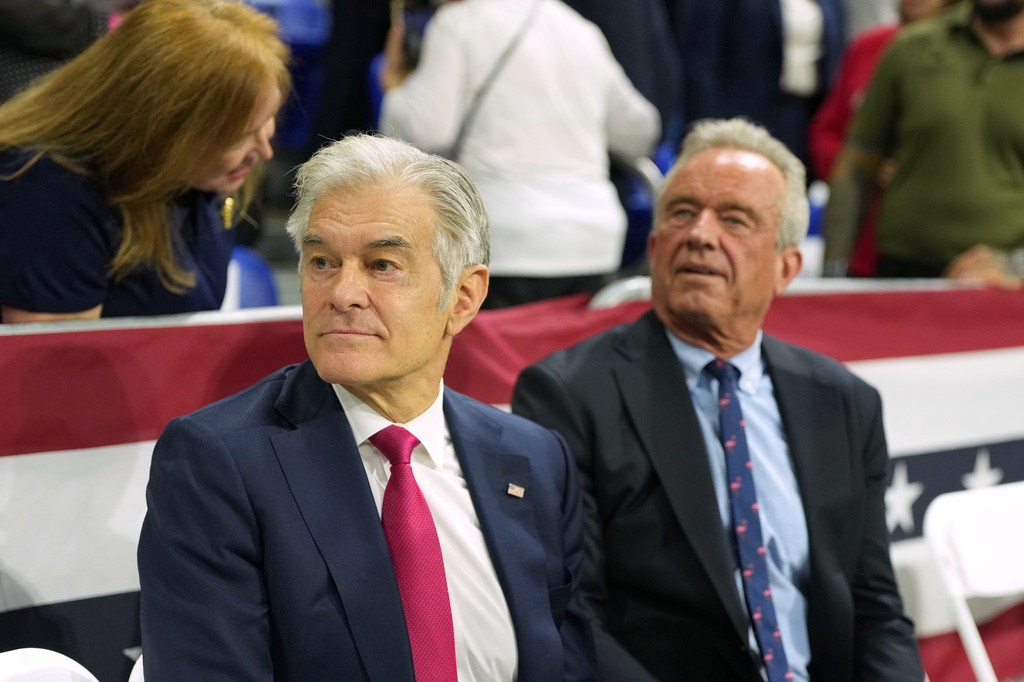 Washington ExaminerThis piece reads center
“thwarted the Trump administration from enforcing a rule”
Word choiceUses "thwarted," a word suggesting active obstruction, where other outlets say the judge "blocked" or "blocked" the rule — carries a sense of frustration or impediment.
Read the original PBS NewsHourThis piece reads center
“Twenty-five states sued the Trump administration in June”
What's left outNames the underlying legislation and includes its colloquial label, providing context other outlets omit about the statutory source of the rule being blocked.
Read the original
Placements are generated by an AI model from each article’s own headline and summary, and every quotation above is checked to be a real substring of that article before it is published. How this is done
Prism is free and carries no advertising. Support it if it was useful.